








Ideal wound healing progresses through four distinct stages. Initially, hemostasis stops your bleeding through blood vessel constriction and clot formation. Next, the inflammatory phase brings immune cells to clean the wound and fight infection. During proliferation, your body builds new tissue and blood vessels while forming a protective layer. Ultimately, remodeling strengthens the wound site through collagen restructuring. Understanding each phase’s specific mechanisms helps you better support your body’s natural healing process.
Hemostasis: Nature’s Emergency Response System
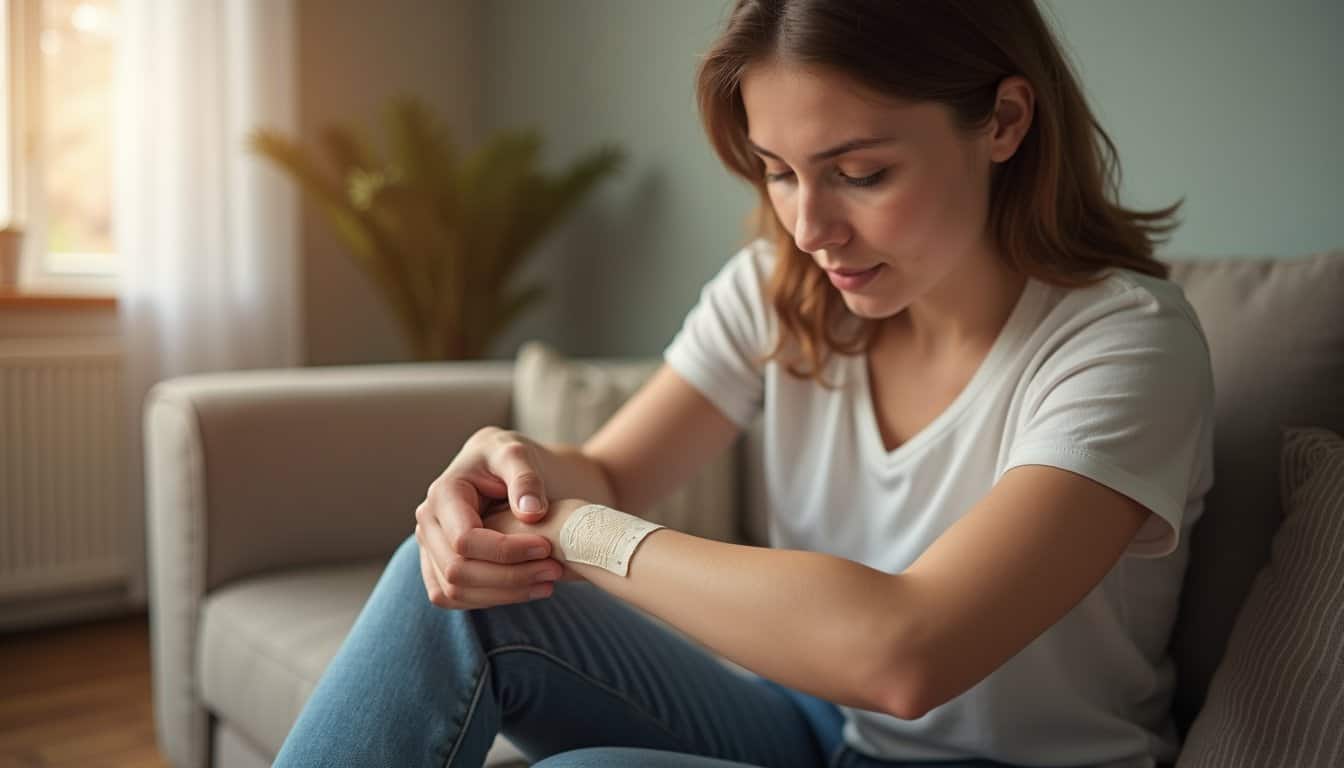
When your body experiences a wound, the hemostasis process immediately activates a sophisticated emergency response system to prevent blood loss. Within seconds, your blood vessels constrict to reduce blood flow while platelet adhesion dynamics trigger the formation of a temporary plug at the injury site. Keeping the wound covered helps facilitate optimal blood clotting. This critical phase lasts up to two days depending on the severity and depth of the wound. The body’s natural monitoring system quickly detects and responds to injuries to control bleeding.
The process intensifies as thrombin generation mechanisms convert fibrinogen into sturdy fibrin strands, creating a mesh-like framework. You’ll find this intricate system working through both intrinsic and extrinsic pathways, culminating in a stable thrombus that contains platelets, red blood cells, and essential plasma proteins. This initial phase typically takes 20-30 minutes for minor wounds, though the clot continues to mature over several hours.
Once complete, it forms a protective barrier that sets the stage for subsequent healing phases.
The Inflammatory Phase: Your Body’s Clean-Up Crew
After hemostasis establishes initial control, your body launches the inflammatory phase a systematic cleaning operation that typically spans 4-6 days in acute wounds. Your immune system triggers visible signs: redness, swelling, warmth, and pain, while clear fluid (transudate) aids cell movement. The inflammatory response is critical for wound healing and directly impacts how secondary healing occurs. Maintaining proper protein and nutrition helps support optimal immune system function during this critical phase.
Neutrophils arrive within 24-48 hours as primary responders, followed by macrophages that orchestrate the cleanup. These specialized cells eliminate pathogens and debris through phagocytosis, using reactive oxygen species and enzymes. Meanwhile, chemical signals from macrophages and thrombocytes release growth factors to prepare for repair.
While inflammation typically resolves within a week in acute wounds, any signs lasting beyond two weeks warrant medical attention, as this may indicate infection or poor perfusion. For those with pre-existing skin conditions, healing during this phase may be significantly delayed due to compromised tissue integrity.
Proliferation: Building New Tissue From Within
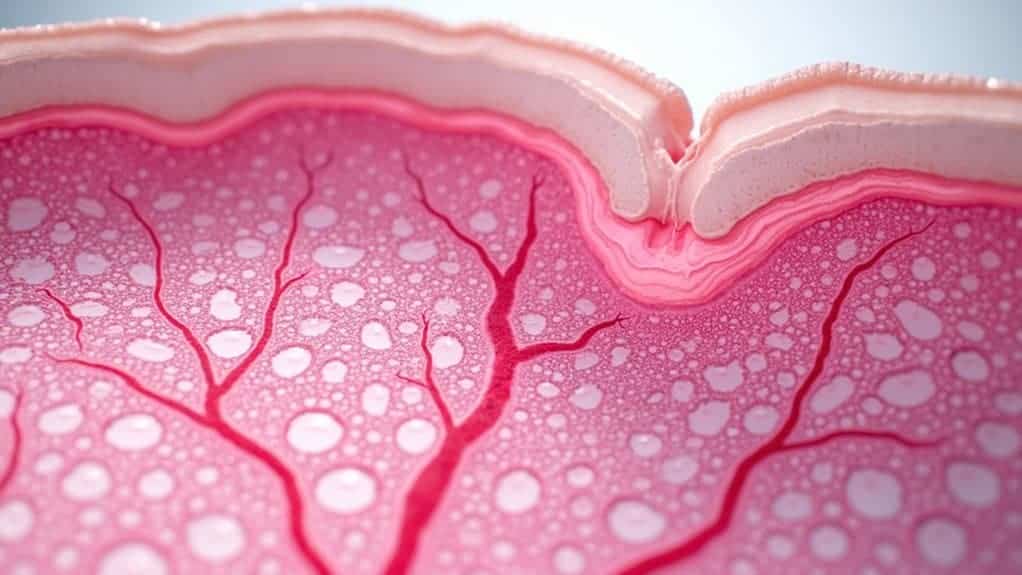
During the proliferation phase, your body launches an intricate rebuilding process that typically spans 3-21 days post-injury. Through stem cell activation and angiogenic signaling, your tissues begin regenerating from within.
Specialized cells called fibroblasts produce collagen type III, while new blood vessels form to supply oxygen and nutrients to the healing area. The epithelial layer forms within 48-72 hours to bridge the wound and begin closing it.
Key processes that occur during this phase include:
- Formation of granulation tissue rich in collagen and blood vessels
- Migration of keratinocytes to restore your skin’s protective barrier
- Wound contraction by myofibroblasts to reduce the injury size
Your body’s ability to progress through proliferation depends on proper nutrition and avoiding complications like infection or diabetes. If you’re experiencing delayed healing, it’s essential to address underlying factors that might be disrupting this pivotal rebuilding phase.
Remodeling: The Final Touch of Healing
Once your wound enters the remodeling phase, your body orchestrates its most extensive healing period, lasting anywhere from 21 days to 2 years post-injury. During this time, you’ll experience significant changes in collagen homeostasis as Type I collagen replaces Type III, enhancing your wound’s tensile strength.
Your extracellular matrix organization improves through precise enzymatic activity and reduced hydration levels. You’ll notice your scar tissue gradually reaching about 80% of normal skin strength, though this drops to 60-70% if re-injury occurs. Proper pressure redistribution support is essential during this phase to prevent complications and ensure optimal healing outcomes.
Your body continues wound contraction while fibroblasts decrease activity and focus on tissue alignment. Throughout this phase, you’ll see reduced vascularization as metabolic demands decrease, and your protective barrier strengthens through epithelial cell migration and keratinocyte activity.
Frequently Asked Questions
Can Psychological Stress Delay the Normal Wound Healing Process?
Yes, psychological stress can drastically impair your wound healing through psychoneuroimmunology pathways.
When you’re stressed, your body increases cortisol production, which suppresses immune function and amplifies inflammation. The relationship between stress and inflammation disrupts normal healing processes, reducing collagen formation and slowing tissue repair.
You’ll experience delayed wound closure, increased infection risk, and compromised healing outcomes if psychological stress isn’t properly managed during recovery.
How Do Age and Nutrition Affect the Speed of Wound Healing?
Maturity-related skin changes markedly decelerate your wound healing process through diminished cellular communication and impaired blood vessel formation.
As you advance in years, your skin’s ability to generate collagen decreases, and keratinocyte migration slows down.
While we’ve detailed data on the impact of longevity, there’s limited research on nutritional deficiencies‘ specific effects on wound healing.
However, you’ll generally heal more slowly if you’re elderly, regardless of your nutritional status.
Which Medications Can Interfere With Proper Wound Healing?
You’ll find several medications can drastically impair wound healing. Topical anticoagulants interfere with proper blood clotting and early wound stabilization. Corticosteroid medications, whether oral or topical, reduce collagen production and slow tissue repair.
Other medications to watch include NSAIDs, which disrupt inflammatory responses, and chemotherapy drugs, which impair cell proliferation. If you’re taking any of these medications, you should inform your healthcare provider when dealing with wounds.
Are There Genetic Factors That Influence How Well Wounds Heal?
Yes, your genetic predisposition profoundly influences wound healing. Your DNA affects how your body responds to injuries, controls inflammation, and repairs tissue.
Epigenetic modifications, which are changes in gene expression without altering DNA sequence, also play an essential role. For example, if you have certain variants of TLN2 and ZNF521 genes, you’ll have different microbiome compositions in your wounds, which can either expedite or decelerate healing.
Does Exercise Help or Hinder the Wound Healing Process?
Exercise substantially helps your wound healing process through two main mechanisms. Initially, it betters blood circulation, which delivers essential oxygen and nutrients to your wound site more efficiently.
Second, it reduces inflammation by lowering pro-inflammatory cytokines like TNF-α and MCP-1. You’ll heal up to 25% faster when you maintain moderate physical activity compared to being sedentary. Even short-term exercise programs can bolster your body’s natural healing abilities.