










Pine leaves have served as powerful natural medicine across indigenous cultures for millennia. You’ll find these fragrant needles packed with antioxidants, immune-boosting compounds, and heart-healthy substances like pinolenic acid and proanthocyanidins. They’re especially effective at fighting inflammation, supporting respiratory health, and helping manage cholesterol levels when consumed as tea or extract. Beyond their aromatic presence in forests, pine needles offer a rich treasury of healing wisdom that continues to reveal its secrets through both traditional knowledge and modern science.
Key Bioactive Components in Pine Leaves
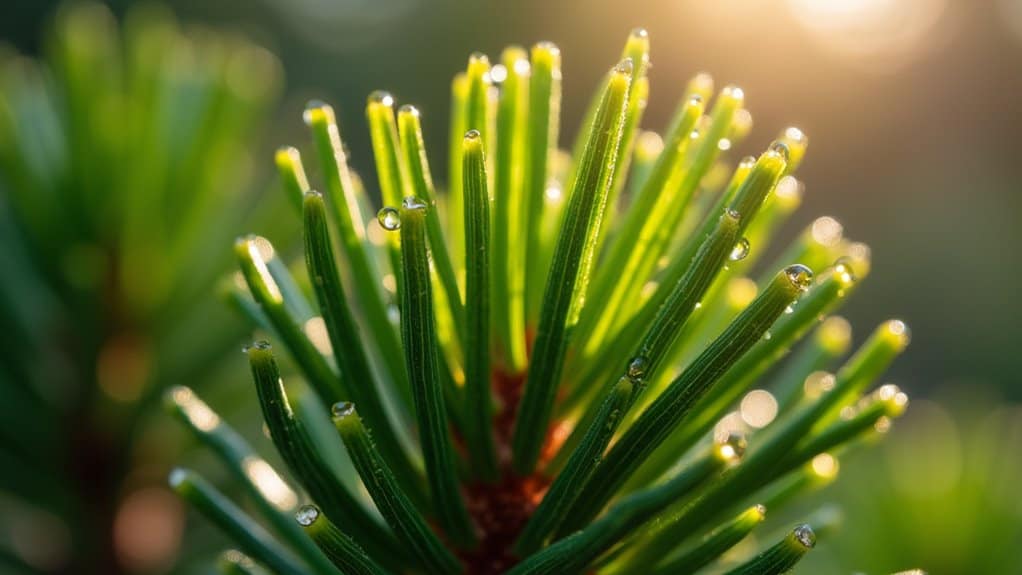
While indigenous peoples have long recognized the healing properties of pine needles, modern science has identified five major groups of bioactive compounds that give these evergreen leaves their medicinal power.
Ancient wisdom meets modern research in revealing pine needles’ powerful healing compounds, bridging traditional knowledge with scientific discovery.
Through pine needle phenolic profiling, researchers have discovered potent flavonoids and tannins that vary extensively between species. These compounds exhibit antioxidant and anti-inflammatory properties, as demonstrated in numerous studies. The needles also contain significant amounts of cellulose compounds, which are particularly abundant in Scots pine species. You’ll find complex polysaccharides like beta-glucans and pectins that heighten immune function and combat inflammation.
Pine foliage terpene composition reveals aromatic compounds like alpha-pinene and limonene, which indigenous healers have traditionally used for respiratory health. The leaves also contain essential minerals that support general wellness, from calcium to manganese.
In addition, unique glycoside derivatives amplify the needles’ therapeutic potential through improved bioavailability. These compounds work together, validating the traditional wisdom of using pine needles for medicine.
The Science Behind Pine’s Antioxidant Power
Countless scientific studies have validated what indigenous healers knew for generations pine needles pack remarkable antioxidant power. Modern research shows that pine’s protective compounds fight cellular aging and offer powerful antimicrobial properties, especially in traditional preparations like pine needle tea.
Here’s what makes pine’s antioxidant effects so impressive:
- Pine compounds actively scavenge harmful free radicals and protect your cells through multiple pathways, particularly in red and jack pine varieties
- The combination of natural compounds in pine creates a synergistic effect that amplifies their overall antioxidant potency
- Pine-derived compounds, like malonic acid, demonstrate significant anti-aging benefits in human cells while simultaneously fighting harmful bacteria
Research indicates pine trees possess polyphenol structures like catechin that contribute to their powerful antioxidant properties. New research reveals that juvenile pine cones contain the highest levels of antioxidant activity compared to other parts of the tree. This ancient wisdom, now backed by science, shows why indigenous peoples have long cherished pine for its healing properties. Research indicates pine bark extract has been widely consumed as a food ingredient throughout human history, demonstrating its longstanding role in traditional diets.
Heart Health and Metabolic Benefits
Pine’s generous bounty includes compounds that traditional healers have long used to strengthen the heart and blood vessels. The extract contains active polyphenols that provide antioxidant benefits. You’ll find proanthocyanidins and pinolenic acid working together in pine products to help manage cholesterol levels and support cardiovascular health. Scientific studies suggest that pinolenic acid may reduce LDL cholesterol in the bloodstream. Many species contain beneficial amino acids and flavonoids that researchers continue studying for their potential effects. Ancient wisdom meets modern science as studies reveal how pine bark extract can lower blood pressure and improve blood flow, carrying forward centuries of traditional knowledge about this sacred tree’s healing powers.
Cholesterol-Lowering Pine Properties
Throughout generations of traditional medicine, indigenous healers recognized pine’s remarkable ability to support heart health, a wisdom now validated by modern research. Studies now confirm that pine’s compounds work synergistically to promote healthy cholesterol levels through oxidative stress mitigation and improved LDL metabolism.
Nature’s wisdom reveals itself through pine’s multifaceted approach to cardiovascular wellness:
- Pine bark extract enhances beneficial HDL cholesterol while supporting healthy blood pressure levels
- Korean pine needle extract activates essential metabolic pathways that help regulate lipid metabolism
- Pinolenic acid, found distinctively in pine nuts, stimulates your liver’s ability to process and clear LDL cholesterol
These findings bridge ancient knowledge with scientific understanding, demonstrating how pine’s natural compounds work together to maintain healthy cholesterol levels and support your heart’s potency. Research suggests that incorporating pine-based compounds into your daily routine may help achieve the 2 grams daily intake recommended by health experts for managing cholesterol effectively.
Proanthocyanidins Combat Heart Disease
Ancient healers uncovered that proanthocyanidins, the powerful compounds found within pine’s needles and bark, offer remarkable protection for the heart and blood vessels. These traditional healers’ wisdom aligns with modern research showing how pine’s antioxidant-rich compounds support blood pressure regulation and endothelial function. These unique compounds give pine and other plants their rich purple colors.
You’ll find that pine’s proanthocyanidins work through multiple pathways to protect your cardiovascular system. They neutralize harmful free radicals, reduce inflammation, and help maintain healthy blood vessel function. Pine bark extract has been shown to inhibit ACE activity, which helps maintain healthy blood pressure levels naturally. Studies suggest that taking 150-200mg daily may improve blood flow and support healthy blood pressure levels. A recent controlled study enrolled 130 at-risk participants to evaluate pine bark extract’s effects on cardiovascular health. However, while indigenous cultures have long trusted pine’s heart-protective properties, today’s clinical evidence remains mixed. Some trials show promising results for arterial health, while others demonstrate limited benefits in larger populations.
Fighting Infections and Inflammation Naturally
Modern science confirms what indigenous healers have long known about the remarkable infection-fighting power of pine trees. Research shows clear antimicrobial activity patterns against both gram-positive and gram-negative bacteria, with pine extracts disrupting cell membranes and preventing bacterial growth. The extract demonstrates strong inhibitory effects particularly against E. coli, creating inhibition zones up to 17mm with full-strength solutions. You’ll find these natural compounds particularly effective as food preservatives, reducing bacterial counts in fresh juices by up to 90%. Aqueous extracts work most effectively in acidic conditions, enhancing their antimicrobial properties.
Young pine needles contain higher concentrations of infection-fighting compounds than mature needles, reflecting traditional wisdom about harvest timing. Different pine species show varying strengths – Pinus pinea demonstrates superior antimicrobial power with larger inhibition zones. Studies reveal pine resin compounds like caryophyllene, limonene, and pinene are largely responsible for these antibacterial effects. Ethanol-based extracts, similar to traditional tinctures, outperform water-based preparations in fighting bacteria.
These findings validate ancestral knowledge while offering modern applications for natural food preservation and infection treatment.
Immune System Support and Cancer Research
Three powerful compounds found in pine trees have captured the attention of both traditional healers and cancer researchers worldwide. Through immune modulation mechanisms, pine pollen polysaccharides, bark proanthocyanidins, and needle-derived vitamin C work synergistically to elevate your body’s natural defenses.
| Compound | Cancer Treatment Potential |
|---|---|
| Polyphenols | Induces cancer cell death |
| Pine Bark Extract | Prevents tumor formation |
| Needle Antioxidants | Reduces oxidative damage |
Ancient forest healers understood pine’s protective properties, regularly prescribing pine needle tea and forest bathing rituals. Modern research now validates these traditional practices, showing how ethanol extracts from Korean pinecones effectively inhibit colon cancer cell growth. You’ll find these healing compounds most concentrated in pristine pine forests, where terpenes and negative ions naturally amplify your immune system while lowering stress-induced cortisol levels.
Respiratory System Benefits and Relief
Ancient healers recognized pine’s remarkable ability to thin stubborn respiratory mucus while naturally defending against airway infections. You’ll find that pine’s anti-inflammatory compounds work directly on inflamed airways, much like your ancestors uncovered when they chewed pine needles and drank pine-based teas during cold seasons.
The traditional practice of inhaling pine steam remains one of nature’s most effective methods for clearing congested airways and supporting comprehensive respiratory wellness.
Mucus Thinning Properties
Traditional healers have long recognized pine’s remarkable ability to thin and clear respiratory mucus, making it a cornerstone remedy for congestion and breathing difficulties. When you’re seeking acute bronchitis relief, pine’s resinous compounds actively draw out stagnant mucus while stimulating your airways’ natural clearing mechanisms.
For generations, indigenous peoples have harnessed pine’s powerful respiratory congestion clearing properties through different preparations.
- Resinous compounds attach to thick mucus, helping your body expel it more effectively
- Terpenes and phospholipids thin stubborn secretions, making breathing easier
- Hot pine preparations create a diaphoretic effect, promoting cleansing through gentle sweating
For best results, simmer pine needles for 10-30 minutes to release their potent mucus-thinning compounds, and consider combining with steam therapy for improved benefits.
Natural Infection Defense
Pine’s sturdy defense against respiratory infections stems from a sophisticated array of bioactive compounds that indigenous healers have understood for millennia. You’ll find powerful antimicrobial properties in pine’s essential oils, offering natural allergy symptom relief and bronchial infection treatment. Traditional knowledge has proven especially valuable, as modern research confirms pine’s ability to combat pathogens while supporting your immune system.
| Benefit | Traditional Application |
|---|---|
| Antimicrobial | Steam inhalation |
| Anti-inflammatory | Pine needle tea |
| Immune support | Essential oil diffusion |
| Mucus relief | Chest compresses |
When you’re seeking respiratory relief, pine’s ancient wisdom meets modern validation. Its compounds work synergistically to boost your body’s natural defenses, disrupting harmful microbes while strengthening respiratory tissue integrity. Indigenous peoples have long recognized pine’s therapeutic potential, using varied preparations to address both acute and chronic respiratory conditions.
Airways Inflammation Control
When inflammation strikes your airways, nature’s own defense system emerges through pine’s remarkable collection of phytoncides and bioactive compounds. Ancient healers recognized pine’s power to strengthen respiratory immune function and augment airway resilience, particularly through forest bathing practices and medicinal teas.
Pine’s anti-inflammatory arsenal includes:
- α-pinene and α-phellandrene that target and reduce airway swelling while supporting your body’s natural healing response
- D-limonene and p-cymene that specifically combat allergic inflammation in your lungs, offering relief from respiratory distress
- Proanthocyanidins that suppress inflammatory cytokines while protecting your airway tissues from oxidative damage
You’ll find these healing compounds most concentrated in pine needle extracts, which indigenous cultures have long used to treat bronchitis, persistent coughs, and upper respiratory tract discomfort. Today’s standardized supplements harness these time-tested benefits for modern respiratory health support.
Digestive Health and Liver Protection
Throughout history, indigenous healers recognized pine’s remarkable influence on digestive wellness and liver importance, understanding its dual role as both medicine and nourishment. You’ll find this ancestral wisdom validated by modern science, as pine needle extracts substantially bolster your gut microbiome, promoting beneficial bacteria while keeping harmful pathogens in check.
Your liver particularly benefits from pine’s protective qualities, as its natural compounds help shield against cellular damage and improve lipid metabolism. Traditional healers’ observations of pine’s digestive benefits now align with research showing improved protein utilization and intestinal health. However, respect the plant’s potency as native healers knew, proper dosing matters. While pine supports digestive wellness, excessive amounts can reduce nutrient absorption, especially in grazing animals a reminder of nature’s delicate balance.
Frequently Asked Questions
How Long Should Pine Needle Tea Be Steeped for Optimal Benefits?
For ideal benefits, you’ll want to steep your pine needle tea for 10 minutes at around 190°F a temperature that ancient healers knew wouldn’t destroy the tea’s crucial compounds.
If you’re seeking a gentler brew, steep for 5-7 minutes, or extend to 15 minutes for a more potent decoction. Don’t let your steep time exceed 15 minutes, though, as you’ll risk developing excess bitterness and losing delicate nutrients.
Are There Any Pine Species That Should Be Avoided for Consumption?
When foraging pine needles, you’ll need to be extremely cautious of toxic pine species. Never consume Ponderosa, Lodgepole, or Monterey pines, as they’re known to cause serious health issues.
Be especially wary of Yew and Norfolk Island Pine they’re not true pines and are highly toxic. Indigenous peoples have long taught that proper identification is essential. If you’re uncertain about a species, don’t harvest it.
Consulting local experts is your safest approach.
Can Pregnant Women Safely Consume Pine Needle Products?
You shouldn’t consume pine needle products during pregnancy due to significant safety concerns. Throughout history, some indigenous cultures actually used certain pine species specifically to terminate pregnancies.
Today’s research shows that compounds like isocupressic acid can pose serious risks during all pregnancy stages. While external use (like aromatherapy) might be safer, you’ll want to avoid internal consumption entirely and consult your healthcare provider before using any pine-based products during pregnancy.
What’s the Recommended Daily Dosage of Pine Needle Supplements?
You’ll find that traditional dosages vary, as indigenous healers have long understood that each person’s needs differ. For quality supplements, you can follow these general guidelines:
2-3 dropperfuls of tincture twice daily for adults, or 25 drops of hydroalcoholic extract three times daily (300mg total). However, for dosage safety, it’s imperative to start low and work up gradually. Always check your supplement’s specific instructions, as concentrations aren’t standardized.
How Can You Identify Fresh Pine Needles Suitable for Making Tea?
Look for vibrant, deep green needles growing in clusters, as your ancestors did for generations. You’ll notice fresh needles have a flexible, springy texture when you bend them they shouldn’t snap easily. Watch for color variations; avoid any that show yellowing or browning.
The needles should feel smooth and resinous, releasing a strong, clean pine scent when you gently crush them. Choose white pine’s bundles of five needles for the safest option.