



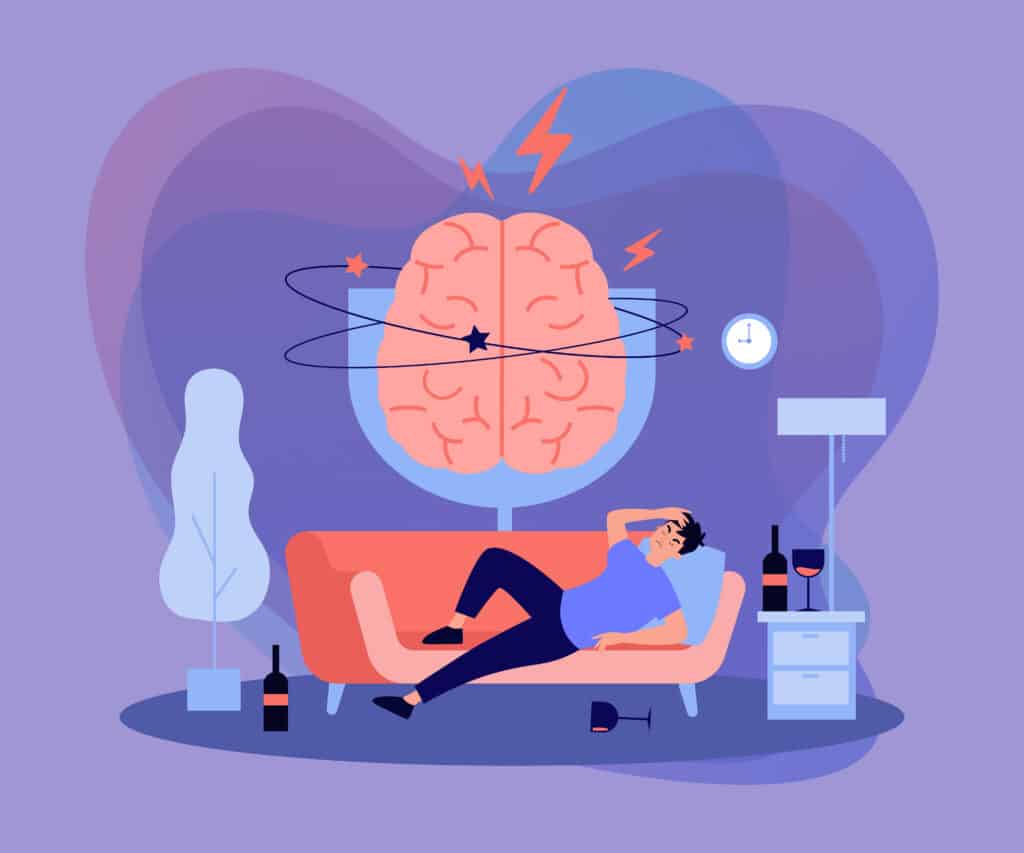





Your body’s stress response system, when chronically activated, triggers a dangerous cascade of physiological changes. Your amygdala and hypothalamus initiate stress hormones before you’ve even processed the threat, leading to persistent cardiovascular strain, hormonal imbalances, and inflammatory damage. This constant activation disrupts your blood pressure regulation, metabolic function, and arterial health. The complex interplay between your stress response and bodily systems reveals far-reaching implications for your long-term well-being.
The Science Behind Your Body’s Stress Response

When your body encounters a stressor, it activates two primary defense systems: the hypothalamus-pituitary-adrenal (HPA) axis and the sympathetic nervous system (SNS). Your amygdala recognizes potential threats and signals your hypothalamus, triggering a cascade of hormonal responses that mobilize energy resources. Through diverse brain networks, different types of stressors activate distinct neural pathways.
The SNS releases catecholamines, increasing your heart rate and blood pressure, while the HPA axis secretes cortisol. This hormonal cascade can trigger muscle tension reflexes throughout the body. This process is so efficient that your body initiates these responses even before your visual centers fully process the threat information.
These stress responses create distinct hormone imbalance patterns throughout your body. Cortisol suppresses insulin and promotes gluconeogenesis, rapidly redirecting energy to essential organs. However, chronic activation leads to reproductive axis disruption and metabolic disturbances.
Your body’s stress response system, initially designed for short-term survival, can become dysregulated when constantly activated, setting the stage for long-term health complications.
Cardiovascular System Under Siege
Your cardiovascular system faces three critical threats when under chronic stress: dangerous spikes in blood pressure that can damage vessel walls, widespread inflammation that silently builds up arterial plaque, and disrupted heart rhythms that signal growing cardiac strain.
Clinical evidence shows that sustained high blood pressure above 130/80 mmHg triggers an inflammatory cascade, causing immune cells to accumulate in arterial walls and accelerate atherosclerosis. These responses can ultimately lead to broken heart syndrome, marked by sudden chest pain and breathing difficulties. When combined with stress-induced arrhythmias, which manifest as irregular heartbeats or palpitations, these conditions create a perfect storm that can overwhelm your heart’s natural defense mechanisms. Over time, this ongoing cardiovascular event risk often leads to smoking, overeating, and physical inactivity, further compounding the negative health effects. Additionally, the release of stress hormones like adrenaline and cortisol can elevate blood sugar, cholesterol, and triglycerides, causing long-term damage to your heart.
Blood Pressure Danger Zones
Every stress response triggers a cascade of cardiovascular changes that can transform your body’s blood pressure from normal to dangerous levels. Your pulse pressure dynamics shift dramatically as chronic stress disrupts baroreceptor sensitivity, leading to sustained hypertensive states.
When stress persists, your blood vessels become less responsive to natural regulation, creating a dangerous cycle of elevated pressure. The release of stress hormones and chemicals causes blood vessels to constrict while increasing heart rate, making the situation worse. Research shows that experiencing high-arousal negative emotions can significantly spike blood pressure levels. Studies indicate that African American adults face a nearly 50% risk of developing hypertension over a 7-year period when experiencing chronic stress.
- Your heart muscle strains under constant pressure, potentially leading to life-threatening cardiac events
- Your blood vessels lose their natural elasticity, accelerating arterial aging by years
- Your risk of stroke increases considerably as tiny vessels in your brain face continuous pressure assault
- Your organs suffer progressive damage from sustained high pressure, often silently until it’s too late
The danger intensifies when multiple stressors combine, particularly affecting vulnerable populations like women and minority communities.
Inflammation’s Silent Attack Pattern
Deep within your cardiovascular system, chronic stress orchestrates a complex inflammatory cascade that silently damages blood vessels and heart tissue. When you’re chronically stressed, your body increases production of pro-inflammatory cytokines like IL-6 while activating NF-κB pathways that amplify immune responses. The hypothalamic-pituitary-adrenal axis becomes continuously activated, flooding your system with stress hormones.
Your bone marrow releases primed inflammatory cells that infiltrate arterial walls, creating unstable plaques prone to rupture. This sustained inflammation leads to unhealthy behaviors that further worsen cardiovascular health.
Your stress hormones trigger toll-like receptors, leading to hyperactive immune responses that accelerate vascular damage. This process is compounded by increased lipid oxidation and reduced nitric oxide production, making your blood vessels less flexible and more vulnerable to injury.
The combination of immune cell infiltration, compromised vessel walls, and heightened plaque rupture risks creates a perfect storm for serious cardiovascular events.
Heart Rhythm Warning Signs
When chronic stress grips your cardiovascular system, it triggers a cascade of rhythm disturbances that can destabilize your heart’s electrical signals. The arrhythmia prevalence rises dramatically as heightened catecholamines and cortisol disrupt your heart’s normal conduction patterns. You’ll notice stress-induced tachycardia becoming more frequent, especially during acute stress episodes when adrenaline surges through your system. The hypothalamus triggers these cardiovascular changes as part of the body’s natural alarm response.
Your heart may race unexpectedly, even during rest periods. You might experience palpitations that feel like your heart’s skipping beats. Your chest may tighten as blood pressure spikes occur more frequently. You could develop shortness of breath from cardiovascular overload.
If you’re experiencing these symptoms, particularly if you have preexisting heart conditions, they warrant immediate medical attention. Your doctor may prescribe medication to help control these abnormal heart rhythms. These warning signs often indicate your stress response is actively damaging your cardiovascular health.
Brain Chemistry and Mental Well-being
Your brain’s chemistry undergoes significant alterations when cortisol floods your system during chronic stress, leading to reduced activity in your prefrontal cortex and increased activation in your amygdala. These changes disrupt the delicate balance of neurotransmitters, particularly affecting serotonin and dopamine levels that regulate mood and emotional stability. Without proper sleep routines, the brain’s ability to process and recover from daily stressors becomes severely impaired.
The sustained hormonal assault on your neural circuits can trigger a cascade of mental health challenges, from anxiety to depression, as your brain’s natural regulatory mechanisms become increasingly compromised. These disruptions can severely impact your cognitive abilities, causing problems with focus and decision-making that affect daily functioning.
Cortisol’s Neural Impact
The intricate relationship between cortisol and brain function reveals how chronic stress fundamentally reshapes neural architecture. Your brain’s exposure to sustained cortisol levels disrupts oxytocin regulation and impairs hippocampal neurogenesis, leading to profound structural changes.
When you’re chronically stressed, your prefrontal cortex shrinks while your amygdala enlarges, creating an imbalance that favors fear-based responses over rational thinking.
- Your brain’s neural circuits become increasingly rigid, reducing your ability to adapt to new situations
- Your memory and emotional regulation suffer as your hippocampus loses volume
- Your ability to control impulses weakens as stress erodes prefrontal cortex function
- Your threat detection system becomes hyperactive, making you more susceptible to anxiety
These changes can persist long-term through epigenetic modifications, affecting your brain’s stress response patterns for years to come.
Neurotransmitter Balance Changes
Beyond structural brain changes, chronic stress profoundly alters neurotransmitter balance throughout your nervous system. You’ll experience disruptions across multiple chemical messengers, with serotonin depletion affecting your mood and sleep patterns, while dopamine fluctuations reduce your motivation and reward-seeking behaviors. Studies show these imbalances affect 77% of stressed individuals’ physical health.
Your brain’s GABA system deregulation diminishes its natural calming mechanisms, while neurotransmitter redistribution patterns shift blood flow and resources in the direction of survival circuits. Norepinephrine and epinephrine surges prioritize immediate stress responses over long-term stability. This creates a cascade where your neurotransmitter networks become increasingly dysregulated, potentially leading to persistent mental health challenges that can last months or even years in 33% of cases.
Your Digestive System in Distress

Modern research reveals how chronic stress devastates your digestive system through multiple interconnected mechanisms. When you’re chronically stressed, your autonomic nervous system dysregulation triggers a cascade of digestive system disorders through stress-gut interactions. Your body diverts blood flow away from digestion, increases acid production, and disrupts normal intestinal motility.
Your stomach produces excess acid while simultaneously slowing emptying, creating a perfect storm for GERD and ulcers. Your gut microbiome becomes imbalanced, leading to inflammation and potential leaky gut syndrome. Your intestines switch between diarrhea and constipation as stress alters normal motility patterns. Your nutrient absorption decreases while your risk of IBS, IBD, and other digestive disorders increases.
These physiological changes create a vicious cycle where digestive distress further amplifies your stress response, complicating recovery and treatment.
Immune Function and Inflammation Patterns
Stress-induced changes in your digestive system directly affect another critical bodily defense: your immune function. When you’re chronically stressed, your body experiences reduced lymphocyte counts and decreased natural killer cells, considerably increasing your infection susceptibility. Your immune system’s ability to fight off common viruses weakens, making you more vulnerable to recurring infections like cold sores and prolonged illness.
This compromised immune state triggers a persistent inflammatory response throughout your body. Over time, this chronic inflammation contributes to serious health conditions, including cardiovascular disease, type 2 diabetes, and gastrointestinal disorders.
The ongoing inflammatory cascade, combined with exhausted immune function, can even heighten your cancer risk. Your body’s natural defense mechanisms become overwhelmed, creating a cycle of inflammation that’s increasingly difficult to regulate.
Metabolic Changes and Weight Management

While your body naturally maintains metabolic homeostasis, chronic stress disrupts this delicate balance through multiple pathways. When you’re chronically stressed, endocrine dysfunction triggers elevated cortisol levels, leading to increased visceral fat storage and insulin resistance.
This metabolic downregulation affects your body’s ability to process nutrients effectively, altering both appetite regulation and energy expenditure patterns.
- Your sleep cycles become disrupted, sabotaging essential metabolic processes and fat oxidation
- Your gut microbiome changes dramatically, compromising nutrient absorption and metabolism
- Your muscle mass deteriorates due to cortisol’s protein-wasting effects
- Your body starts storing more abdominal fat, increasing your risk of metabolic syndrome
These stress-induced changes create a challenging cycle where hormonal imbalances, disrupted sleep, and altered gut function collectively impact your weight management efforts and metabolic health.
Neural Pathways and Cognitive Performance
Chronic stress fundamentally rewires your brain’s architecture, triggering structural and functional changes that compromise cognitive performance. Your brain undergoes neuroplasticity shifts that favor threat-response pathways while synaptic pruning weaknesses emerge in regions critical for complex thinking. The prefrontal cortex and hippocampus particularly suffer, leading to impaired memory formation and decision-making abilities.
You’ll experience disruptions in key neurotransmitters, as cortisol overproduction damages neural structures while dopamine and serotonin imbalances affect your mood regulation. These changes manifest in reduced working memory, compromised attention span, and diminished emotional control. While some individuals develop resilient compensatory pathways, the impacts can be long-lasting. Early intervention through mindfulness practices and behavioral therapy offers the best chance at preventing permanent structural alterations in your brain’s stress-response system.
Long-term Disease Risk and Aging Effects
As prolonged exposure to stress takes its toll on your body, multiple organ systems begin exhibiting signs of accelerated aging and disease development. Your cellular aging mechanisms become compromised, leading to systemic inflammation and deterioration.
Research shows that chronic stress decisively impacts your long-term health trajectory, with accelerated aging symptoms manifesting across cardiovascular, metabolic, and neurological systems.
- Your risk of developing life-threatening conditions like heart disease and stroke increases markedly
- Your body’s natural repair mechanisms become impaired, leading to faster cellular degradation
- Your immune system weakens, making you more susceptible to cancer and chronic illnesses
- Your brain’s cognitive functions decline more rapidly, potentially accelerating neurodegenerative processes
These effects create a cascade of health complications that can reduce both lifespan and quality of life, making stress management essential for healthy aging.
Breaking the Cycle: Evidence-based Solutions
Research demonstrates that breaking free from chronic stress requires a multi-modal approach combining evidence-based interventions. You’ll find success by integrating physical activity, relaxation techniques, and cognitive behavioral strategies with integrative therapies. Empowering lifestyle modifications through these evidence-based approaches can help you regain control.
| Intervention Type | Key Benefits |
|---|---|
| CBT & MBSR | Reframes thought patterns, reduces reactivity |
| Exercise & Movement | Releases endorphins, improves resilience |
| Meditation & Relaxation | Decreases cortisol, augments mindfulness |
| Integrative Therapies | Modulates nervous system, promotes healing |
Frequently Asked Questions
Can Childhood Stress Permanently Alter DNA Expression in Adulthood?
Yes, childhood stress can permanently alter your DNA expression through epigenetic modifications that persist into adulthood. These changes affect over 122 gene regions and remain detectable even 10+ years after trauma.
You’ll experience long-term neurological effects as these alterations influence how your genes are expressed, particularly in stress response and mood regulation.
Research shows that early-life stress creates lasting impacts on gene expression patterns, potentially increasing your vulnerability to diverse health conditions.
Do Different Personality Types Experience Varying Levels of Stress-Related Health Impacts?
Your personality traits enormously influence how you experience and respond to stress. If you’re high in neuroticism, you’ll likely face greater health impacts from stress, including increased inflammation and anxiety.
However, if you possess high conscientiousness, you’ll typically show better stress tolerance levels and health outcomes. Your combination of traits matters – being both extraverted and agreeable can help buffer stress effects, while openness may lead to mixed health responses.
How Does Chronic Stress Specifically Affect Fertility and Reproductive Health?
When you’re experiencing chronic stress, it drastically impacts your reproductive health through multiple pathways. You’ll notice hormonal imbalances that disrupt your natural fertility cycle, including heightened cortisol and prolactin levels that interfere with reproductive hormone production.
You may experience menstrual irregularities, including delayed or absent periods. Your fertility treatment outcomes can be compromised, as stress affects egg quality and implantation success. Evidence shows stress-reduction techniques can improve your conception chances.
Are Certain Ethnic Groups More Susceptible to Stress-Induced Health Complications?
Yes, you’ll find certain ethnic groups face higher risks of stress-induced health complications due to both genetic predispositions and socioeconomic influences.
While genetics play a role, research shows that systemic inequalities and chronic exposure to discrimination create sustained stress environments that disproportionately affect minority populations.
You’ll see this reflected in higher rates of hypertension, cardiovascular disease, and metabolic disorders among African Americans, Native Hawaiians, and Latin Americans compared to other groups.
Can Inherited Stress Responses From Parents Influence Children’s Stress Resilience?
Your parents’ stress responses can markedly shape your stress resilience through both epigenetic inheritance and behavioral modeling. You’ll inherit certain stress-related genetic expressions from your parents, but you’re not limited by them.
Through stress inoculation controlled exposure to manageable stressors you can develop stronger coping mechanisms. Your parents’ emotional regulation abilities directly influence how you’ll handle stress, but you can actively build resilience through targeted interventions.