



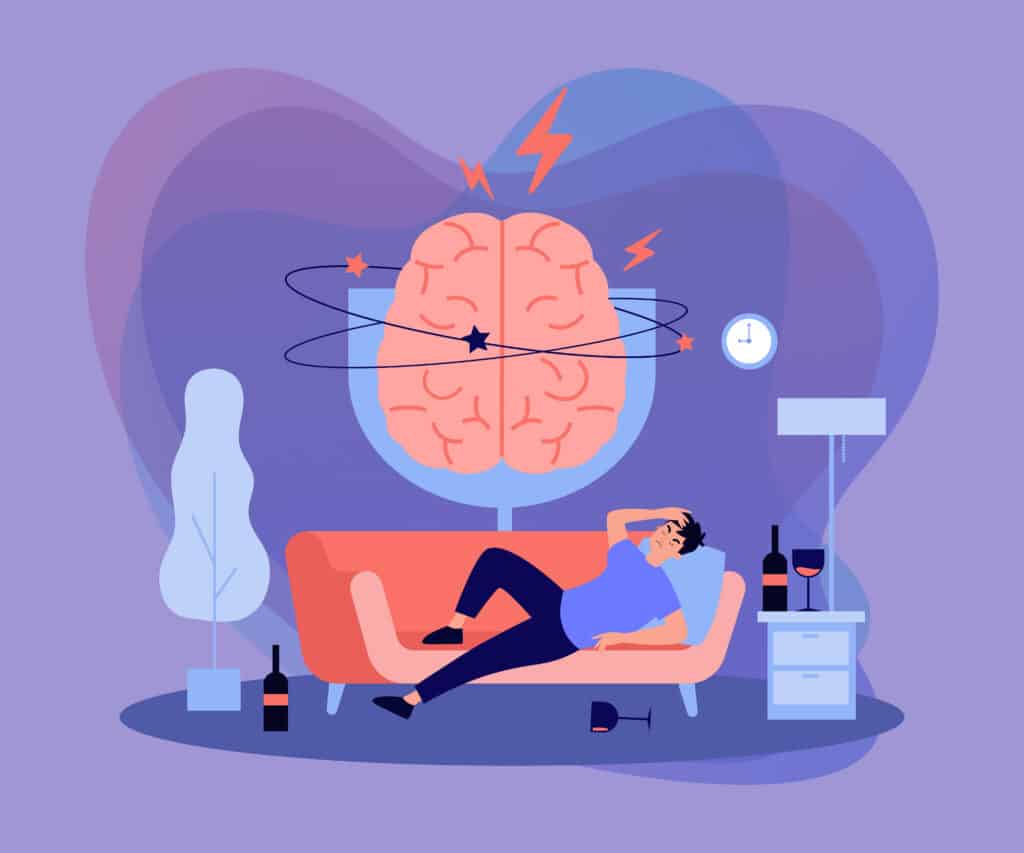





Regular alcohol consumption takes a severe toll on your body’s essential systems. Your liver becomes inflamed and less effective at detoxification, while your brain suffers cognitive decline and memory loss. You’ll face increased risks of diverse cancers, cardiovascular disease, and organ dysfunction due to alcohol’s toxic effects. Even light drinking can raise health risks, with heavier use leading to exponential dangers. Understanding these impacts can help you make informed decisions about your relationship with alcohol.
The Silent Impact of Alcohol on Cancer Development

While many people understand alcohol’s immediate effects on behavior and coordination, its role as a carcinogen remains largely underrecognized. When you consume alcohol, your body converts it to acetaldehyde, a potent carcinogen that damages your DNA and proteins. This process generates harmful reactive oxygen species, leading to oxidative stress throughout your system. Drinking alcohol while smoking creates a multiplicative cancer risk, as the two substances work synergistically to enhance carcinogenic effects.
Your genetic predispositions, particularly ALDH2 enzyme deficiencies, can drastically increase your cancer risk by allowing acetaldehyde to accumulate in your body. Alcohol also interferes with folate disruption and impairs your absorption of vital vitamins A, B, C, D, and E. This interference weakens your body’s natural cancer prevention mechanisms. The World Health Organization reports that light and moderate drinking is responsible for most alcohol-related cancers in the European region. Additionally, alcohol enhances your absorption of other carcinogens and elevates estrogen levels, potentially increasing your risk of breast cancer. In fact, studies show that one in ten breast cancer cases can be directly attributed to alcohol consumption.
How Alcohol Damages Vital Organs Over Time
Chronic alcohol consumption inflicts widespread damage across multiple critical organs through distinct yet interconnected mechanisms. When you drink heavily, your liver develops inflammation, leading to cirrhosis and impaired detoxification.
Excessive alcohol use wreaks havoc throughout the body, damaging vital organs and disrupting essential biological processes needed for survival.
Your pancreas suffers from digestive enzyme deficiencies, disrupting nutrient absorption and increasing diabetes risk. Meanwhile, your lungs become more susceptible to infections due to weakened immune responses and reduced pathogen clearance. People who drink heavily are at significantly higher risk of developing tuberculosis or pneumonia.
Brain function deteriorates as alcohol disrupts the blood-brain barrier, while dehydration impairs cognitive performance. You’ll experience memory problems and motor deficits as neurodegeneration progresses. Regular alcohol use triggers the release of excess dopamine levels, creating a cycle of addiction and dependence.
In addition, kidney dysfunction develops, compromising your body’s ability to filter waste and maintain fluid balance. These combined effects create a cascade of health complications that worsen with continued alcohol use, potentially leading to organ failure and chronic disease.
Cardiovascular Health Risks From Regular Drinking

Regular alcohol consumption poses significant cardiovascular risks through multiple pathways, challenging outdated beliefs about potential heart benefits. Your risk of developing conditions like hypertensive heart disease increases proportionally with intake, while chronic drinking can trigger diverse cardiac complications. Alcohol is responsible for 4.3% of deaths worldwide each year. Heavy drinking has been definitively linked to excess weight gain through its high caloric content.
| Condition | Impact |
|---|---|
| Blood Pressure | Disrupts regulation, causes hypertension |
| Heart Muscle | Direct toxicity leads to cardiomyopathy |
| Blood Vessels | Increases inflammation, atherosclerosis |
Research shows that even light drinking raises cardiovascular risks, with heavier consumption leading to exponential danger. Traditional lifestyle factors previously masked the consistently risk-increasing association between alcohol and cardiovascular disease. You’ll face increased chances of arrhythmias, stroke, and heart failure, often alongside other conditions like nonalcoholic fatty liver disease. Recent genetic analyses have definitively proven alcohol’s causal role in heart disease, contradicting previous claims about moderate drinking benefits. There’s no safe threshold for alcohol consumption as far as cardiovascular health is concerned.
Brain Function and Mental Health Consequences
Extensive research demonstrates that alcohol consumption profoundly impacts your brain function and mental health through multiple pathways. You’ll experience cognitive flexibility impairment as alcohol damages your prefrontal cortex, making it harder to process new information and adapt to changing situations. The neurotransmitter imbalance effects disrupt your brain’s dopamine and GABA systems, increasing your risk of depression, anxiety, and addiction. Within 5 to 10 minutes of consumption, alcohol begins affecting your brain’s functioning. Current evidence suggests 15 percent of suicides worldwide are attributable to alcohol use. Long-term consumption leads to slurred speech and coordination problems that affect daily functioning.
Your hippocampus shrinks at six times the normal rate with heavy drinking, leading to memory loss and learning difficulties. You’re also at higher risk for developing Wernicke-Korsakoff Syndrome, which causes severe coordination problems and cognitive decline. The structural changes in your brain persist long after you stop drinking, affecting your decision-making abilities and reward processing. These alterations can greatly impact your mental health, potentially creating a cycle of alcohol dependency.
Building a Healthier Future: Breaking Free From Alcohol

Breaking free from alcohol dependency offers tremendous potential for recovery and renewed health, as demonstrated by encouraging statistics across multiple studies. With proper treatment and family support structures, you can join the 22.3 million Americans currently in recovery. Research shows that social reintegration extensively improves your chances of sustained sobriety. While 40-60 percent of individuals may experience relapse during recovery, seeking immediate professional help at the first sign of struggle can prevent long-term setbacks. The latest CDC data reveals that overdose deaths declined significantly over the past year, showing positive momentum in addiction recovery efforts.
Recovery from alcohol dependency is possible with proper support, joining millions of Americans who have successfully achieved lasting sobriety.
Key factors that contribute to successful recovery include:
- Participation in structured treatment programs, showing 70% improved functioning
- Engagement with 12-step programs and sober living communities
- Development of strong peer support networks to combat isolation
- Integration of therapeutic interventions addressing underlying issues
- Utilization of medication-assisted treatment when appropriate
Your path to recovery benefits from combining multiple approaches, as evidence indicates that 35.9% achieve long-term sobriety through wide-ranging support systems and dedicated commitment to change. Studies have shown that three out of four people who struggle with addiction ultimately achieve recovery.
Frequently Asked Questions
Can Genetic Factors Influence How Alcohol Affects Different Individuals Differently?
Your genetic predisposition profoundly influences how alcohol affects you. Your genes control alcohol metabolism rate through variations in ADH and ALDH enzymes.
If you’re of East Asian descent, you’re more likely to have variants that cause faster alcohol processing and acetaldehyde buildup, leading to flushing and discomfort.
Conversely, if you’re of European descent, you’ll likely metabolize alcohol more gradually, potentially affecting your tolerance and consumption patterns.
How Long Does It Take for Organs to Recover After Quitting Alcohol?
Your organ recovery time frame varies depending on the specific organ and extent of damage. You’ll notice liver healing within weeks, with potential full regeneration by 1 year.
Your blood pressure normalizes within a month, while heart function improves considerably after 3 months. Brain function begins recovering after 30 days, with ongoing synaptic repair.
Organ function restoration continues long-term, with your immune system returning to baseline and cancer risks decreasing gradually over years.
Does Mixing Alcohol With Certain Medications Increase Health Risks Long-Term?
Yes, mixing alcohol with medications dramatically increases your long-term health risks through dangerous drug interactions. You’ll face heightened risks of liver damage, cardiovascular problems, and neurological impairment.
Even if you require medication dosage adjustments, continuing to drink can lead to permanent organ damage. Your risk is especially high with sedatives, pain medications, and antidepressants.
Women and older adults face greater dangers due to their slower metabolism of both substances.
Are There Differences in Alcohol’s Health Effects Between Men and Women?
Yes, you’ll experience significant differences in how alcohol affects you based on your biological sex. If you’re a woman, you’ll process alcohol more slowly due to hormonal differences and lower metabolic rates.
You’ll also face higher risks of organ damage and mental health impacts at lower consumption levels compared to men. This is because women typically have less body water and muscle mass, leading to higher blood alcohol concentrations from the same amount of drinks.
Can Moderate Weekend-Only Drinking Still Cause Significant Long-Term Health Problems?
Yes, weekend-only drinking can still lead to significant health problems. Even if you’re limiting alcohol to weekends, you’re risking cumulative organ damage, particularly to your liver and cardiovascular system.
While you might avoid the social stigma associated with daily drinking and reduce financial strain on family compared to regular consumption, your body doesn’t “reset” between episodes. Weekend binges can gradually accumulate toxicity, leading to chronic conditions and increased cancer risks.