








Table of Contents
TLDR
Understanding whether drugs can trigger anxiety is crucial for anyone navigating substance use or supporting someone who is. This comprehensive guide explores drug-induced anxiety disorder, revealing how various substances, from prescription medications to illicit drugs, can spark anxiety symptoms that range from mild unease to debilitating panic attacks. We’ll walk through the causes, symptoms, diagnosis process, and treatment options, while addressing common questions about recovery timelines and long-term management. Whether you’re experiencing medication-induced anxiety or concerned about substance abuse anxiety disorder, this article provides actionable insights and professional guidance to help you reclaim peace of mind.
Introduction
The relationship between substances and mental health is more complex than most people realize. You might pop a prescription pill expecting relief, only to find your heart racing and thoughts spiraling into worry. Perhaps you’ve noticed that certain recreational drugs leave you feeling jittery long after the high wears off. The question “can drugs cause anxiety?” isn’t just academic, it’s deeply personal for millions who’ve felt their calm shatter after taking a substance. Understanding drug-induced anxiety disorder can be the first step toward breaking free from a cycle that traps too many in confusion and distress.

What is Drug-Induced Anxiety Disorder?
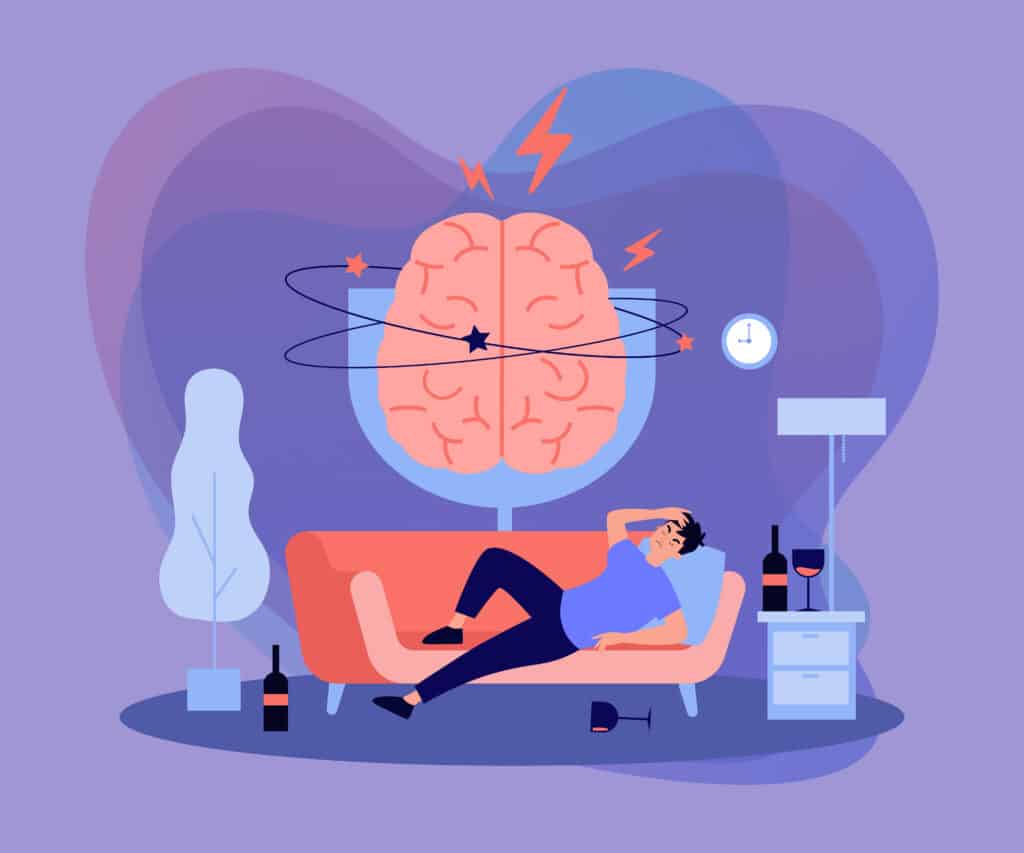
Drug-induced anxiety disorder, clinically known as substance/medication-induced anxiety disorder, occurs when anxiety symptoms develop as a direct result of using, intoxicating with, or withdrawing from a substance. Unlike generalized anxiety disorder that exists independently, this condition has a clear chemical catalyst. According to the National Institute of Mental Health, anxiety disorders affect 31.1% of U.S. adults at some point in their lives, and substance-induced variants represent a significant subset of these cases [1].
The distinction matters because treatment approaches differ substantially. Moreover, the condition can emerge during active substance use, immediately after consumption, or during withdrawal. Consequently, timing becomes a crucial diagnostic factor. The anxiety must be more severe than what typically accompanies intoxication or withdrawal for the diagnosis to apply.
Key characteristics include:
- Direct temporal relationship between substance use and anxiety onset
- Symptoms that exceed typical intoxication or withdrawal effects
- Significant impairment in daily functioning
- Resolution of symptoms after substance discontinuation (in most cases)
What Causes Drug-Induced Anxiety Disorder?
Can drugs cause anxiety through multiple mechanisms? Absolutely. Furthermore, the pathways vary depending on the substance category. Stimulants like cocaine, methamphetamine, and even prescribed ADHD medications can overstimulate the central nervous system, flooding your brain with neurotransmitters that trigger the fight-or-flight response. Think of it as revving your internal engine past the red line, eventually, something has to give.
Research published in PMC journals indicates that substance-induced anxiety can result from neurochemical imbalances created by drug use [2]. Additionally, withdrawal from depressants like alcohol or benzodiazepines creates a rebound effect where your nervous system, previously suppressed, springs back with excessive activity. This rebound phenomenon explains why people often experience heightened anxiety when stopping sedatives.
Common culprits include:
- Stimulants: Caffeine, cocaine, amphetamines, MDMA
- Cannabis: Particularly high-THC strains or edibles
- Prescription medications: Corticosteroids, thyroid medications, bronchodilators
- Alcohol: Both during intoxication and withdrawal
- Hallucinogens: LSD, psilocybin, synthetic cannabinoids
- Withdrawal from depressants: Benzodiazepines, opioids, alcohol
[Insert image of various pills and substances]
The question “can drugs cause anxiety?” becomes even more relevant when considering polydrug use. Combining substances amplifies risks exponentially. For instance, mixing alcohol with cocaine creates cocaethylene, a metabolite that intensifies anxiety and cardiovascular stress. Similarly, taking multiple stimulants simultaneously overloads neurotransmitter systems, potentially triggering drug-induced panic attacks that feel overwhelming.
Common Symptoms of Drug-Induced Anxiety Disorder
Drug-induced anxiety symptoms mirror those of primary anxiety disorders, which complicates diagnosis. Nevertheless, certain patterns emerge that healthcare providers recognize. Physical manifestations often appear first, your hands might tremble, your heart might pound, and breathing becomes shallow. These physiological responses stem from your body’s stress system working overtime.
Physical symptoms include:
- Rapid heartbeat or palpitations
- Excessive sweating
- Trembling or shaking
- Shortness of breath
- Dizziness or lightheadedness
- Nausea or stomach distress
- Muscle tension
- Headaches
Psychological symptoms include:
- Excessive worry or rumination
- Racing thoughts
- Difficulty concentrating
- Irritability
- Sense of impending doom
- Fear of losing control
- Depersonalization or derealization
- Sleep disturbances
Interestingly, the severity and combination of symptoms often correlate with the substance type and dosage. Stimulant-induced anxiety typically presents with more physical agitation, while medication-induced anxiety from certain antidepressants might manifest as restlessness and internal tension. Can drugs cause anxiety that mimics other conditions? Indeed, which is why professional evaluation proves essential.

Getting a Diagnosis for Drug-Induced Anxiety Disorder
Diagnosis requires careful detective work from healthcare professionals. Initially, they’ll conduct a comprehensive assessment of your substance use history, anxiety symptoms, and timeline. The temporal relationship between drug use and symptom onset provides crucial clues. Specifically, practitioners look for anxiety that developed during or shortly after substance exposure.
The diagnostic process typically includes:
Clinical Interview: Your provider will ask detailed questions about when symptoms started, what substances you’ve used, dosages, frequency, and any changes in your mental state. Honesty here is paramount, medical professionals aren’t there to judge but to help.
Physical Examination: Certain substances leave physical markers. Therefore, your doctor might check vital signs, look for signs of intoxication or withdrawal, and assess overall health status.
Laboratory Testing: Blood work, urinalysis, or hair follicle tests can identify substances in your system. Additionally, these tests rule out other medical conditions that might cause anxiety-like symptoms.
Psychiatric Evaluation: Mental health professionals use standardized tools to assess anxiety severity and differentiate between substance-induced anxiety and primary anxiety disorders. Furthermore, they’ll explore any co-occurring mental health conditions.
Can drugs cause anxiety that persists even after the substance clears your system? Sometimes, yes. This complexity is why thorough evaluation matters. Providers must determine whether anxiety predated substance use, emerged during use, or represents a primary disorder that substances temporarily masked.
Treatment for Drug-Induced Anxiety Disorder
Treatment approaches depend on several factors: the specific substance involved, severity of symptoms, presence of addiction, and your overall health status. However, the foundation always involves addressing the substance use itself. You can’t treat drug-induced anxiety effectively while continuing the causative agent.
Detoxification: Safely stopping the problematic substance is often the first step. Medical detox provides supervised withdrawal management, which is especially critical for alcohol and benzodiazepines. These substances can cause dangerous withdrawal symptoms, including severe anxiety and potentially life-threatening complications. Consequently, attempting detox alone proves risky.
Medication Management: While it seems counterintuitive to treat drug-induced anxiety with more medications, certain pharmaceuticals can ease the transition. Short-term use of beta-blockers might calm physical symptoms, while non-addictive medications address underlying anxiety. Your treatment team carefully weighs benefits against risks.
Psychotherapy: Cognitive-behavioral therapy (CBT) helps you identify and challenge anxious thought patterns. Moreover, exposure therapy can address avoidance behaviors that anxiety creates. Dialectical behavior therapy (DBT) teaches emotion regulation skills that prove invaluable during recovery.
Holistic Approaches: Evidence supports various complementary treatments:
- Mindfulness meditation reduces anxiety reactivity
- Regular exercise releases natural mood-stabilizing chemicals
- Nutritional support repairs damage from substance use
- Sleep hygiene improvements enhance emotional regulation
- Yoga and breathwork activate the parasympathetic nervous system
Can drugs cause anxiety that requires long-term treatment? Sometimes, particularly when substance use has been prolonged or severe. Nevertheless, most people experience significant improvement once the offending substance is eliminated and appropriate support is provided.

Living with a Drug-Induced Anxiety Disorder
Recovery isn’t linear, and learning to manage substance-induced anxiety takes patience. Initially, symptoms might intensify before improving, especially during withdrawal. This temporary increase can feel discouraging, but it’s often part of the healing process as your brain chemistry rebalances.
Developing Coping Strategies: You’ll need a toolkit of techniques to manage anxiety when it surfaces. Deep breathing exercises activate your body’s relaxation response. Progressive muscle relaxation releases tension you might not realize you’re holding. Grounding techniques, like the 5-4-3-2-1 method, pull you back when panic threatens to overwhelm.
Building Support Networks: Recovery thrives in community. Support groups connect you with others who understand the unique challenges of drug-induced anxiety. Family therapy helps loved ones understand your experience and learn how to support your recovery effectively. Peer support specialists who’ve walked this path themselves offer hope and practical wisdom.
Lifestyle Modifications: Can drugs cause anxiety that necessitates permanent lifestyle changes? Often, yes, but these changes typically improve overall quality of life. Avoiding triggers, whether certain substances, environments, or stressors, becomes crucial. Additionally, maintaining structure through regular sleep schedules, balanced nutrition, and consistent routines stabilizes mood.
Monitoring and Relapse Prevention: Understanding your warning signs helps you intervene early. Perhaps you notice increased restlessness or racing thoughts before anxiety fully emerges. Recognizing these patterns allows you to deploy coping strategies proactively. Furthermore, having a relapse prevention plan addresses what you’ll do if cravings or symptoms intensify.
Treatment for Drug-Induced Anxiety Disorder at Flagler Health & Wellness
When medication-induced anxiety or substance abuse anxiety disorder disrupts your life, specialized treatment makes all the difference. At Flagler Health & Wellness, we understand that can drugs cause anxiety isn’t just a theoretical question, it’s your reality, and you deserve comprehensive care tailored to your unique situation.
Our evidence-based programs address both substance use disorders and co-occurring mental health conditions like drug-induced anxiety disorder. We offer multiple levels of care, including residential treatment, partial hospitalization programs (PHP), intensive outpatient programs (IOP), and aftercare planning. This continuum ensures you receive appropriate support at every recovery stage.
Our comprehensive services include:
- Medically supervised detoxification with 24/7 nursing care
- Individual therapy using CBT, DBT, and trauma-informed approaches
- Group therapy focusing on anxiety management and substance recovery
- Psychiatric services for medication evaluation and management
- Holistic therapies including yoga, meditation, and art therapy
- Family programming to heal relationships and build support systems
- Alumni services providing ongoing connection and support
Can drugs cause anxiety that seems impossible to overcome? It might feel that way now, but recovery is absolutely possible with proper treatment and support. Our compassionate team has helped countless individuals break free from the cycle of substance use and anxiety.
If you or someone you love is struggling with drug-induced anxiety symptoms, contact us today. We’re available 24/7 to answer questions, verify insurance, and help you take the first step toward healing. You don’t have to face this alone, help is here, and recovery is within reach.
FAQs – Frequently Asked Questions
Does drug-induced anxiety go away?
Most cases of substance-induced anxiety improve significantly once the offending substance is eliminated from your system. Typically, acute symptoms resolve within days to weeks after stopping the drug. However, the timeline varies based on the substance type, duration of use, and individual factors. Some people experience post-acute withdrawal syndrome (PAWS), where anxiety symptoms persist for months. Professional treatment accelerates recovery and provides tools for managing lingering symptoms.
How long does substance-induced anxiety disorder last?
The duration depends on multiple variables. Anxiety from stimulants like cocaine might resolve within days, while benzodiazepine withdrawal anxiety can persist for weeks or months. Generally, if anxiety symptoms continue beyond four weeks after complete substance discontinuation, providers consider whether a primary anxiety disorder might coexist. Early intervention and comprehensive treatment typically shorten the recovery timeline.
Can prescription medications cause anxiety disorders?
Absolutely. Numerous prescription medications can trigger medication-induced anxiety disorder. Corticosteroids, thyroid hormones, asthma medications, and even some antidepressants paradoxically cause anxiety in certain individuals. Additionally, stimulant medications prescribed for ADHD can induce anxiety symptoms. Always discuss concerning side effects with your prescriber rather than stopping medications abruptly, as discontinuation can sometimes worsen anxiety.
Is drug-induced anxiety the same as a panic attack?
While related, they’re not identical. Drug-induced panic attacks represent acute episodes of intense anxiety that can occur as part of substance-induced anxiety disorder. These attacks feature sudden onset of overwhelming fear accompanied by physical symptoms like chest pain, difficulty breathing, and feeling detached from reality. Stimulant-induced anxiety commonly triggers such episodes. However, substance-induced anxiety disorder encompasses a broader range of anxiety symptoms beyond panic attacks.
Can anxiety from drug use become permanent?
Most drug-induced anxiety resolves after substance discontinuation and appropriate treatment. However, prolonged substance use can alter brain chemistry in ways that increase vulnerability to anxiety disorders. Some individuals develop a primary anxiety disorder that persists even after recovery from substance use. This possibility underscores the importance of comprehensive treatment that addresses both immediate symptoms and long-term mental health. The majority of people experience substantial improvement with proper care.
Conclusion
The answer to “can drugs cause anxiety?” is unequivocally yes, but that knowledge empowers rather than frightens. Understanding how substance-induced anxiety develops, recognizing its symptoms, and knowing effective treatments exist transforms this condition from an insurmountable obstacle into a challenge you can overcome. Whether you’re experiencing medication-induced anxiety from prescribed drugs or struggling with substance abuse anxiety disorder, professional help provides the pathway to recovery.
Drug-induced anxiety disorder doesn’t define you, nor does it have to control your life indefinitely. With proper treatment, support, and commitment to recovery, you can restore balance to your mental health and reclaim the calm that substances stole. The journey might feel daunting, but thousands have walked this path successfully before you.
Don’t let anxiety driven by substances rob you of another day. Reach out, ask for help, and take that crucial first step toward healing. Your future self will thank you for the courage you show today.
Sources
[1] National Institute of Mental Health. “Anxiety Disorders.” https://www.nimh.nih.gov/health/topics/anxiety-disorders
[2] Smith, J. P., & Randall, C. L. (2012). “Anxiety and Alcohol Use Disorders: Comorbidity and Treatment Considerations.” Alcohol Research: Current Reviews, 34(4), 414-431. https://pmc.ncbi.nlm.nih.gov/articles/PMC2921723/