







Purple is widely recognized as the color that represents addiction recovery because it reflects hope, healing, and personal transformation. In 1989, SAMHSA adopted purple to help unify recovery communities and reduce stigma around substance use disorders. Wearing purple is a way to show support for dignity in recovery and the belief that change is possible. People often express this support through purple ribbons, clothing, or small accessories, especially during National Recovery Month in September. There are also other meaningful ways this color is used to promote awareness and advocacy within recovery communities.
Why Purple Became the Official Color of Addiction Recovery
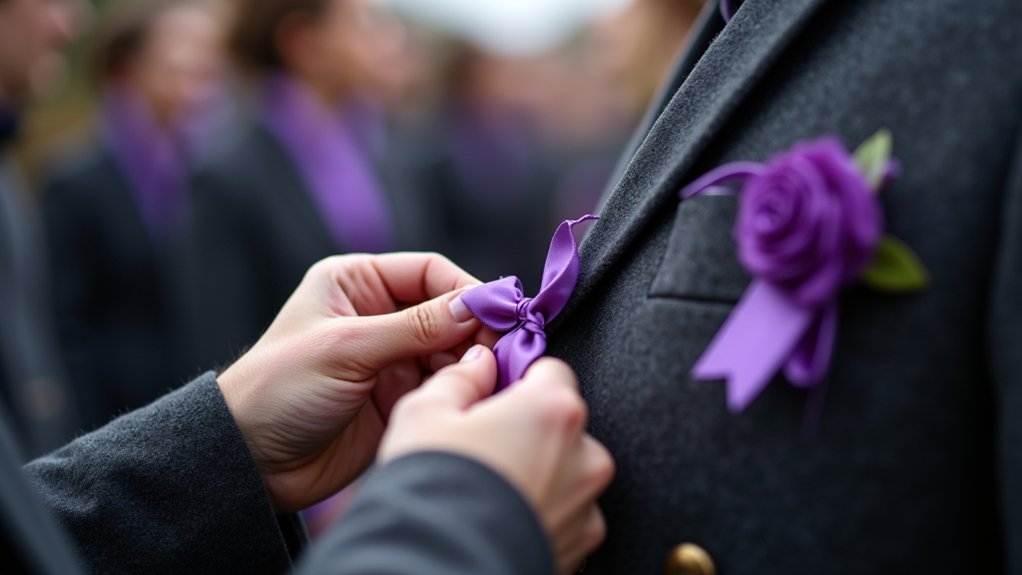
Purple didn’t become the color of addiction recovery by accident. When SAMHSA established National Recovery Month in 1989, they deliberately chose purple to create a visible, unifying symbol for the recovery movement. You’ll find this color represents hope, healing, and transformation, values central to the recovery experience.
The selection emerged from grassroots advocacy and community consensus. Recovery organizations wanted a symbol that honored the dignity and strength of people seeking help, regardless of their substance or pathway. Purple offered universal representation across all recovery journeys. The color’s historical connection to wisdom and transformation made it a meaningful choice that resonated deeply with recovery communities. While purple serves as the official color for National Recovery Month, turquoise represents Addiction Recovery Awareness as a complementary symbol in the movement.
Today, you’ll see purple ribbons at recovery walks, on treatment center logos, and at International Overdose Awareness Day events worldwide. It’s become the inclusive community’s rallying color, signaling solidarity and challenging stigma wherever it appears. The color has expanded beyond American borders, now uniting the global addiction recovery community in shared purpose and mutual support.
The Deep Symbolism Behind Purple in Recovery Journeys
When you see purple in recovery spaces, you’re witnessing a color that carries profound meaning for your journey. It represents the hope that transformation is possible, the dignity you deserve regardless of your past, and the spiritual growth that often emerges through healing work. These three dimensions of purple’s symbolism reflect what research and recovery communities consistently recognize: lasting change involves rebuilding not just behaviors, but your sense of self-worth and purpose. This powerful color was officially designated by SAMHSA in 1989 to represent addiction recovery and unite those on healing journeys. During National Recovery Month, you’ll see purple lights, ribbons, and displays throughout communities working to raise awareness and reduce the stigma surrounding addiction. Campaigns like “Go Purple” encourage community involvement and dialogue, helping to foster unity and create open conversations about recovery.
Hope and Transformation
Throughout history, colors have carried profound meaning, and purple stands apart as a symbol uniquely suited to represent addiction recovery’s transformative power. When you wear purple, you’re embracing a color that SAMHSA officially designated in 1989 to represent hope and healing.
Purple’s significance runs deep. It communicates that personal transformation isn’t just possible, it’s happening every day in recovery communities worldwide. The color evokes emotional resilience, reminding you that each step forward matters.
Research in color psychology confirms purple promotes introspection and emotional balance, qualities essential for lasting recovery. Whether you’re marking a sobriety milestone or supporting someone you love, purple serves as a visual promise. It tells the world you believe in second chances and the human capacity for profound change.
Dignity Over Stigma
Beyond its role as a beacon of hope, purple carries an equally powerful message: people in recovery deserve dignity, not judgment. When you wear purple, you’re drawing on centuries of association with nobility and honor to counter harmful narratives that frame addiction as moral failure.
SAMHSA deliberately chose purple in 1989 to reduce stigma and spark open conversation. Today, when landmarks glow purple during Recovery Month, they declare that you’re a valued community member, not an outcast. This visible support helps build a compassionate community where recovery stories receive the same respect as any health journey.
Purple empowers you in reclaiming identity beyond “addict” stereotypes. You’re not defined by your past struggles but recognized for your courage and resilience.
Spiritual Growth Significance
Why does purple resonate so deeply with those traversing the inner work of recovery? This color carries centuries of spiritual weight, symbolizing mysticism, introspection, and connection to something greater than yourself. When you wear purple, you’re acknowledging recovery as a journey toward a sacred purpose, not just abstinence, but genuine transformation.
Purple’s unique blend of calming blue and energizing red reflects the balance you cultivate in sobriety: serenity paired with passionate commitment. Color psychology research confirms purple promotes deep reflection, supporting practices like meditation, step work, and moral inventory. Purple is often associated with mourning, loss, and spirituality, making it a fitting color to honor those who have passed away while also celebrating the journey of those in recovery.
SAMHSA’s designation of purple links your recovery to hope, healing, and transcendent vision. Each time you see this color, it anchors your faith during difficult moments, reminding you that spiritual growth remains possible through sustained, intentional work.
Other Colors That Support Addiction Recovery Awareness
While purple remains the primary color for addiction recovery awareness, several other colors play meaningful roles in supporting and expanding recovery messaging. You’ll find these colors used across campaigns, commemorative items, and wellness milestones to create visible recovery support within communities.
| Color | Primary Symbolism | Common Uses |
|---|---|---|
| Turquoise | Wisdom, clarity, courage | Mental health awareness ribbons, dual-color campaigns |
| Silver | Hope, renewal, fresh starts | Sobriety chips, recovery jewelry, milestone markers |
| Black | Resilience, acknowledgment of loss | Memorial events, overdose awareness ribbons |
| Blue | Mental health alignment, stability | Integrated treatment messaging, healthcare campaigns |
Each color addresses different aspects of the recovery journey, from celebrating progress to honoring those lost to addiction.
Ways to Wear Purple and Show Your Support

You can show your support for addiction recovery by incorporating purple into your everyday wardrobe and special occasions. Whether you choose a simple ribbon, pin, or bracelet, or opt for purple shirts, scarves, or hats, these visible symbols help spark conversations and reduce stigma around addiction. When you coordinate purple attire for awareness walks, workplace dress days, or community vigils, you join a movement that honors those affected by addiction while celebrating the possibility of recovery. Events like the Islip Long Island Goes Purple Fun Run demonstrate how communities come together during National Recovery Month each September to raise awareness and support those on their recovery journey.
Ribbons, Pins, and Accessories
How can something as simple as a small purple ribbon make a powerful statement about addiction recovery? You’ll find these accessories create meaningful connections and spark important conversations about treatment and hope.
Your jewelry selection matters when showing support:
- Lapel pins with magnetic backings work perfectly for workplace advocacy without damaging professional attire
- Charm bracelets and beaded wristbands serve as daily reminders of recovery’s significance
- Enamel pins featuring sobriety dates or inspirational words celebrate personal milestones
- Keychains and lanyards keep the purple ribbon visible on everyday items
- Coordinated accessories in purple with silver or teal connect addiction recovery to broader mental health awareness
Whether you’re attending a recovery walk or simply going about your day, these small symbols demonstrate solidarity with those traversing their recovery journey. The purple ribbon also represents overdose awareness, making it especially meaningful for those who have lost loved ones or overcome substance abuse themselves. Red ribbon pins are also worn during National Recovery Month in September to represent the fight against drug abuse. Wearing your ribbon pin becomes a conversation starter that helps educate others about important initiatives and reduces stigma surrounding addiction.
Purple Clothing Choices
Beyond ribbons and pins, your entire wardrobe can become a canvas for recovery support. You can incorporate purple into casual wear through graphic tees, hoodies, or athleisure pieces that turn daily activities into awareness opportunities. For professional settings, consider purple blouses, ties, or subtle patterned blazers that signal solidarity while maintaining workplace appropriateness.
Color pairings amplify purple’s meaning. Combining purple with white emphasizes hope and clarity, while purple with silver mirrors recovery milestone symbolism. You can adapt your approach through seasonal patterns, purple flannels in autumn, lighter violet shorts in summer, maintaining year-round visibility.
Don’t overlook everyday accessories like purple sneakers or statement outerwear. These mobile cues keep recovery awareness visible during commutes and community gatherings, transforming routine moments into meaningful expressions of support and perseverance.
Event Coordination Attire
When you’re coordinating a recovery event, purple attire serves a dual purpose: it identifies you as part of the support team while visually reinforcing the message of hope and healing. Branded staff vests in purple instantly signal your role to participants seeking guidance, while comfortable outdoor attire guarantees you can move freely during walks and rallies. Sneakers are recommended for coordinators who will be on their feet during outdoor walks and recreational therapy activities.
Consider incorporating these coordinated elements:
- Purple badges or lanyards displaying credentials
- Branded hats or beanies with recovery slogans
- Purple aprons for hospitality and check-in teams
- Coordinated scarves or pocket squares for varied dress codes
- Purple clipboards and folders marking official materials
These visual cues help attendees quickly locate support while creating a unified team presence. You’ll strengthen the recovery-affirming atmosphere and demonstrate solidarity with everyone on their healing journey. When selecting event attire, remember that clothing should avoid themes related to alcohol, drug, or violence imagery to maintain an appropriate and supportive environment for all participants. Keep in mind that smoking and vaping are prohibited at recovery events, so coordinators should be prepared to direct participants to appropriate resources if needed.
Key Events and Times When Purple Takes Center Stage

During these observances, you can participate in recovery walks, candlelight vigils, and #GoPurple campaigns alongside neighbors and colleagues. Many organizations leverage corporate partnerships programs to amplify their reach, lighting stadiums and sponsoring awareness events. Whether you’re attending a memorial service with purple ribbons or changing your social media profile frame, these moments unite thousands in shared hope and remembrance.
How Wearing Purple Reduces Stigma and Sparks Conversations
The purple ribbons and lit landmarks you see each September do more than mark dates on a calendar, they actively reshape how communities think and talk about addiction.
When you wear purple, you’re creating peer support visuals that challenge stereotypes and open dialogue. Your clothing becomes a conversation starter, inviting questions about recovery resources and treatment options.
Signals solidarity with people traversing recovery journeys
Reframes addiction as a public health issue, not a moral failing
Honors those lost to overdose while celebrating survivors
Encourages recovery celebration participation across diverse communities
Normalizes discussions about mental health and co-occurring conditions
Combining Purple With Complementary Colors for Maximum Impact
Pairing purple with the right accent colors amplifies your message and helps recovery awareness materials stand out in crowded spaces. When you combine purple with turquoise, you’re tapping into a dual symbol that represents both addiction recovery and broader health advocacy, creating visual harmony that signals healing and resilience.
For complementary color palettes that promote calm, try pairing purple with soft blues or navy. These combinations reduce anxiety and project credibility, making them ideal for clinical settings or policy materials.
If you want to emphasize growth and renewal, mint or sage greens alongside lavender create a restorative feel perfect for early recovery messaging. For milestone celebrations, deeper emerald with royal purple suggests transformation and strength. White or gray accents keep your designs clean and readable, ensuring your recovery message reaches everyone clearly.
Frequently Asked Questions
Can I Wear Purple to Support Someone in Recovery Even if I’m Not Recovering?
Yes, you can absolutely wear purple to support someone in recovery. Recovery organizations welcome allies who show voluntary support through purple ribbons, wristbands, or shirts. Your personal connection to someone’s journey makes this gesture meaningful. When you wear purple, you’re helping reduce stigma and showing your loved one they’re not alone. This visible solidarity can strengthen their hope and motivation while normalizing important conversations about recovery in your community.
Do Different Shades of Purple Have Different Meanings in Addiction Recovery?
Yes, different shades carry subtle symbolic significance within recovery community awareness efforts. You’ll find darker purples often honor lives lost to overdose and acknowledge grief, while lighter lavenders emphasize calm, healing, and hope. Bold, vivid purples typically represent strength and visibility during awareness campaigns. However, all shades share the same core meaning, unity, dignity, and belief that recovery is possible. You can confidently wear any purple shade to show your support.
Is It Appropriate to Wear Purple at a Funeral for Addiction-Related Loss?
Yes, wearing purple at an addiction-related funeral can be entirely appropriate when you approach it thoughtfully. You’re honoring respectful mourning practices while showing personal recovery support for the person you’ve lost. Consider subtle touches like a purple ribbon, tie, or scarf paired with traditional dark clothing. If the family has requested recovery colors or openly acknowledged addiction, you can feel confident that purple symbolizes hope, compassion, and solidarity with their journey.
Where Can I Purchase Official Addiction Recovery Purple Ribbons or Merchandise?
You can purchase official purple addiction recovery ribbons from national recovery nonprofits, SAMHSA-affiliated Recovery Month campaigns, and major e-commerce marketplaces. Local community recovery centers, hospitals, and faith-based organizations often distribute them during donation drives and recovery group events. You’ll also find them at behavioral health clinics and county health departments during awareness campaigns. Look for vendors with clear recovery messaging and nonprofit partnerships to guarantee your purchase supports meaningful recovery services and outreach programs.
Should Children Wear Purple to Support a Family Member’s Recovery Journey?
Yes, you can invite your children to wear purple as a simple, voluntary way to support a family member’s recovery. This shared symbol can strengthen family bonds and reduce feelings of shame. Whether during children’s school attendance on awareness days or before family counseling sessions, wearing purple opens age-appropriate conversations about addiction as a health condition. It shows solidarity while building protective factors and connecting your family to supportive community networks.