

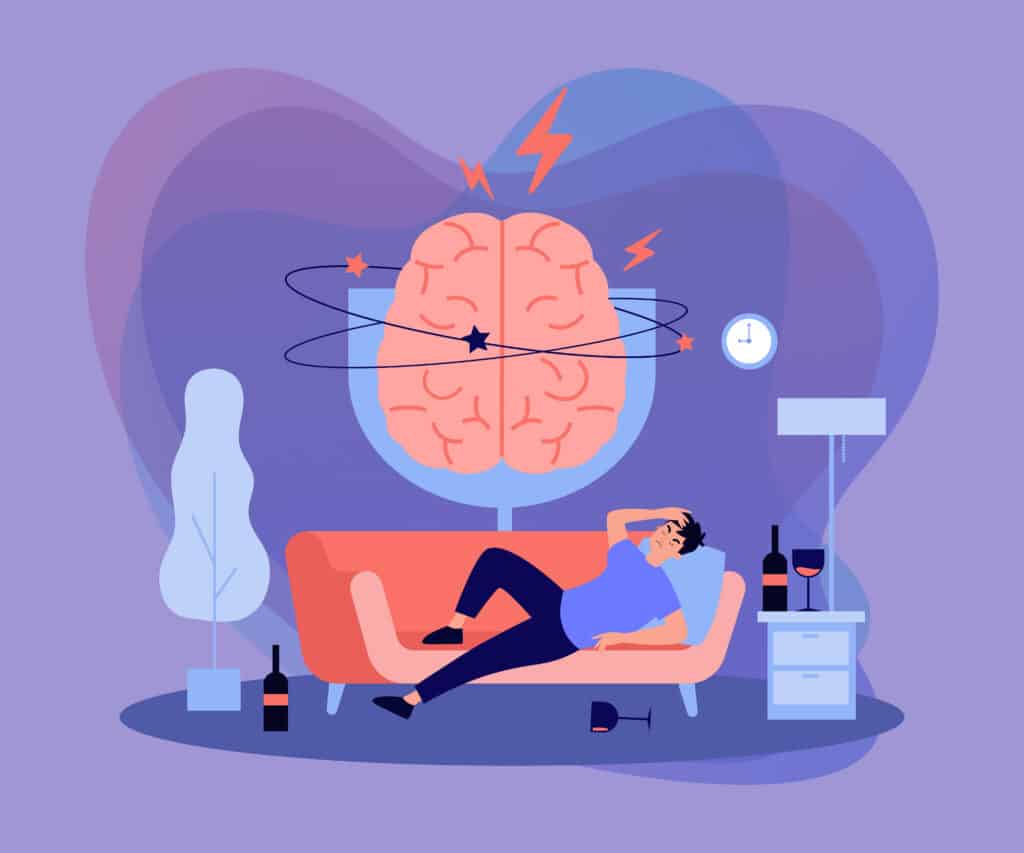








When you encounter someone experiencing a mental health emergency, look for key warning signs like sudden behavior changes, expressions of suicidal thoughts, or severe difficulty with daily tasks. Respond by staying calm, listening without judgment, and ensuring immediate safety. Don’t leave them alone if they’re in crisis. Call emergency services or a mental health crisis hotline for professional support. Understanding these critical steps can make the difference between crisis and stability.
Understanding the Scale of Mental Health Emergencies

While mental health emergencies affect millions of Americans annually, recent data reveals their staggering scope: nearly 58 million U.S. adults experienced mental illness in 2021, with 14.1 million facing serious conditions. From 1992 to 2001, mental health visits increased from 4.9% to 6.3% of all emergency department visits.
Mental health crises touch countless American lives, with a shocking 58 million adults battling psychological challenges in 2021.
You’ll find mental health-related emergency visits have risen dramatically, now accounting for 12.3% of all ED visits. Systemic obstacles persist, with Medicaid covering 41.9% of these visits, while regional disparities show higher rates in the Northeast and West compared to other regions. During emergencies, psychological distress affects almost all people, though many recover over time.
The impact becomes particularly evident in crisis situations, where 22% of affected populations may experience conditions ranging from depression to schizophrenia. The concerning reality is that anxiety disorders affect 40 million adults, making them the most prevalent mental health condition in the United States.
You’re seeing these challenges reflected in ED visits lasting four or more hours, substantially longer than other medical emergencies, straining healthcare resources and highlighting the urgent need for specialized mental health crisis management.
Critical Warning Signs That Demand Action
Recognizing mental health emergency warning signs can mean the difference between life and death in crisis situations. When performing an immediate risk assessment, watch for suicidal threats, self-injury behaviors, or violent outbursts that indicate immediate danger. You’ll need to monitor physical signs like extreme sleep disturbances, dramatic appetite changes, or severe self-neglect. Persistent challenges that interfere with daily life require prompt professional evaluation.
Critical indicators requiring professional crisis intervention include intense mood swings, persistent emotional turmoil, and social withdrawal. A significant drop in functioning often accompanies these concerning behaviors. Pay close attention if someone displays escalating substance misuse, isolation from support networks, or expressions of hopelessness. Psychotic symptoms, such as delusions, hallucinations, or severely disorganized thinking, demand urgent attention. These warning signs rarely occur in isolation they often cluster together, creating a complex pattern that signals the need for immediate professional help.
Emergency Response Steps for Mental Health Crises

Once you’ve identified warning signs of a mental health crisis, taking swift and strategic action can save lives. For immediate threat mitigation, remove dangerous objects and secure the environment by locking away firearms and medications. Call 911 if there’s violence or serious injury; use 988 for non-violent emotional crises. Veterans experiencing a crisis can press 1 on 988 to connect with specialized mental health support.
Implement a trauma-informed response by gauging crisis severity, identifying triggers, and checking for substance involvement. It’s essential to maintain a calm, reassuring tone while speaking with the person in crisis. The presence of family involvement can provide critical emotional support and valuable medical history information. Contact professional help through crisis hotlines or mobile crisis units. For severe situations requiring psychiatric evaluation, head to the nearest emergency room. Don’t forget to provide exact location details to emergency responders.
After stabilization, develop a thorough safety plan, schedule follow-up appointments, and maintain regular contact to monitor recovery. Document all interventions for future reference and share protocols with caregivers to guarantee coordinated support.
Building a Mental Health Safety Network
Creating a sturdy mental health safety network stands as a critical foundation for crisis prevention and long-term wellness. Support group facilitation and community resource navigation form essential pillars of this network, connecting individuals to both professional and peer support systems. Having people who validate your emotions can significantly strengthen your ability to cope with challenges. Your mental health depends on having trustworthy confidants who provide consistent support. Establishing regular communication between providers helps ensure comprehensive care delivery. You’ll need to establish connections across multiple support levels, from trusted friends to healthcare providers.
| Support Type | Key Benefits |
|---|---|
| Personal Network | Reduced isolation, daily emotional support |
| Online Communities | 24/7 access, anonymous sharing |
| Professional Help | Expert guidance, crisis intervention |
| Institutional Care | Systematic support, resource access |
Building these connections enables immediate crisis response while fostering long-term resilience. By integrating digital platforms with traditional support systems, you’ll create an inclusive safety net that adapts to your evolving needs and circumstances.
Prevention Strategies and Long-term Support

Effective prevention of mental health emergencies requires an extensive, multi-layered approach that integrates clinical interventions with systemic support mechanisms.
Population level strategies focus on early identification and response, while community based interventions strengthen protective factors through coordinated action. With scope-of-practice limitations creating barriers, many regions struggle to maintain adequate crisis response coverage.
- Mobile crisis teams reaching vulnerable populations in their neighborhoods
- School-based mental health screenings identifying at-risk youth early
- Workplace wellness programs offering immediate support and resources
- Community centers providing safe spaces for connection and peer support
You’ll find sustainable prevention relies on consistent funding streams through Medicaid and federal initiatives. By implementing trauma-informed practices and cultural competency training, providers can better serve diverse populations. Regular monitoring and evaluation guarantee these interventions remain effective and adaptable to changing community needs.
Frequently Asked Questions
How Long Should Someone Wait Before Calling Emergency Services During a Crisis?
Don’t wait to call emergency services if you observe immediate threats to safety like suicide attempts, violence, or severe self-harm take immediate action.
If a crisis persists for 1-2 hours without improvement or you’re seeing escalating deterioration, you should seek timely intervention. Trust your judgment it’s better to call early than too late.
For severe psychosis, medical emergencies, or when someone can’t safely function, call emergency services right away.
Can Someone Be Forcibly Hospitalized if They Refuse Mental Health Treatment?
Yes, you can be forcibly hospitalized under specific involuntary hospitalization guidelines if you pose a documented danger to yourself or others, or you’re gravely disabled and unable to meet basic needs. You’ll retain legal rights during commitment, including the right to hearings and periodic reviews.
Two physician evaluations are typically required, and courts must approve the process. However, emergency holds may bypass standard procedures if you need immediate stabilization.
What Insurance Coverage Typically Applies to Mental Health Emergency Services?
You’ll find that most insurance plans cover mental health emergency services under federal parity laws. Your policy coverage typically includes crisis intervention, emergency room visits, and inpatient stabilization without prior authorization.
Treatment eligibility isn’t restricted by pre-existing conditions, thanks to ACA protections. You’re covered whether you have Medicaid, Medicare, or private insurance, though specific benefits and copays vary.
If you’re uninsured, many crisis centers still provide essential emergency care.
How Do Mental Health Emergencies Differ Between Children and Adults?
Mental health emergencies in children vs. adults differ dramatically based on developmental stages and presentation. You’ll notice children often show behavioral outbursts and school performance issues, while adults typically present with more complex symptoms and substance use complications.
Children require more intensive social support needs and family involvement in treatment, whereas adults’ emergencies frequently stem from work-related stressors and relationship challenges. Emergency responses must adapt to these life stage-specific differences.
Should Family Members Physically Restrain Someone During a Mental Health Crisis?
You shouldn’t physically restrain a family member during a mental health crisis, as this can cause trauma, worsen the situation, and potentially lead to physical harm for everyone involved.
Instead, focus on proper de-escalation techniques like maintaining a calm voice, respecting personal boundaries, and creating safe distance. Call emergency services or crisis hotlines for professional assistance. They’re trained to handle these situations safely and can provide appropriate intervention while protecting everyone’s wellbeing.