







Research shows addiction’s devastating physical impacts reach far beyond the brain. You’ll find a seven-fold increase in heart attack risk from cocaine use, while 39.4% of injection drug users develop hepatitis C. The data reveals widespread organ damage, from accelerated tooth decay to liver disease. Nearly 50% of substance users also experience serious psychiatric illness, highlighting addiction’s complex medical nature. Understanding these interconnected health effects can guide better treatment approaches.
The Devastating Effects of Addiction on Heart and Lung Function
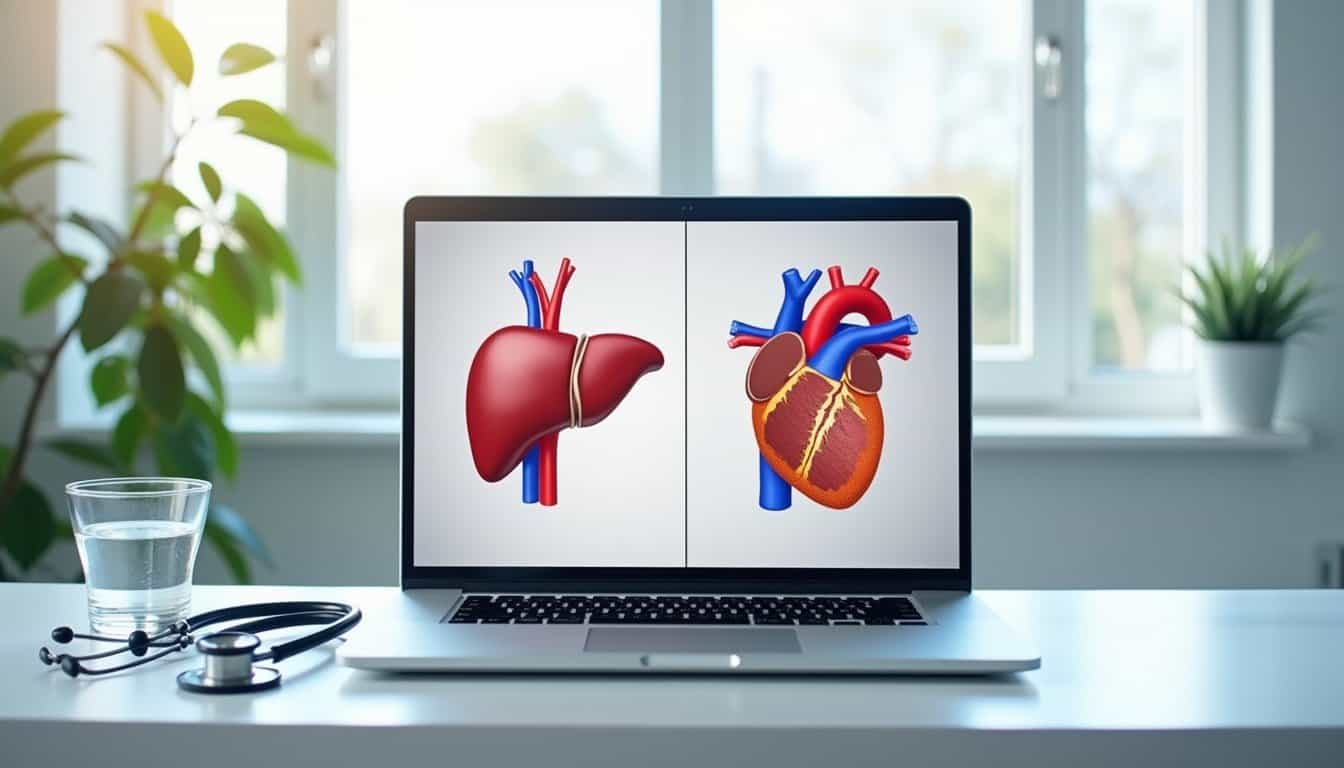
While addiction takes many forms, cocaine and methamphetamine use inflict particularly severe damage on cardiovascular health. You’ll face a seven-fold increase in heart attack risk from cocaine use due to vascular integrity compromise, while meth can trigger dilated cardiomyopathy and accelerated atherosclerosis. Both substances strain your heart through dangerous blood pressure spikes and rhythm disturbances. Sharp oxygen demands in the heart muscle make cocaine especially dangerous. Methamphetamine abuse leads to intense euphoric effects that drive continued use despite severe health risks.
The damage extends beyond your heart to your lungs, where drug use can cause pulmonary hypertension and edema. You’re three times more likely to experience repeat cardiovascular events within a year of recreational drug use, including withdrawal related cardiac events. Chronic drug users who inject opioids significantly increase their risk of developing bacterial heart infection, which can lead to life-threatening complications.
Long-term consequences include chronic heart failure, valve deterioration, and permanent structural changes to your heart muscle, drastically reducing your survival odds.
Understanding Liver and Kidney Damage From Substance Abuse
Because alcohol remains the leading cause of liver disease worldwide, understanding its progression from fatty liver (steatosis) to cirrhosis is crucial for your health. Heavy drinking overwhelms your liver’s hepatoprotective mechanisms, triggering oxidative stress and cellular damage. When consumed excessively, alcohol leads to dangerous fat accumulation in liver cells. Common symptoms like jaundiced skin can indicate severe liver dysfunction. Patients who receive medical addiction therapy show a 63% reduction in alcoholic liver disease incidence compared to untreated individuals.
Medical addiction therapies have shown promising results, with FDA-approved treatments reducing hepatic decompensation risk by 40%.
Key impacts on liver health include:
- Cannabis-induced transaminemia occurs with high-dose CBD (>1000mg/day), especially when combined with antiepileptics
- CB1 receptor activation promotes liver steatosis, while CB2 may offer protection
- Drug-induced liver injury patterns vary from hepatocellular to cholestatic damage
- Addiction therapy adherence greatly reduces hospitalization rates for liver complications
Early intervention and proper medical management can reverse liver damage in many cases, highlighting the importance of timely treatment.
Common Infectious Diseases Associated With Drug Use
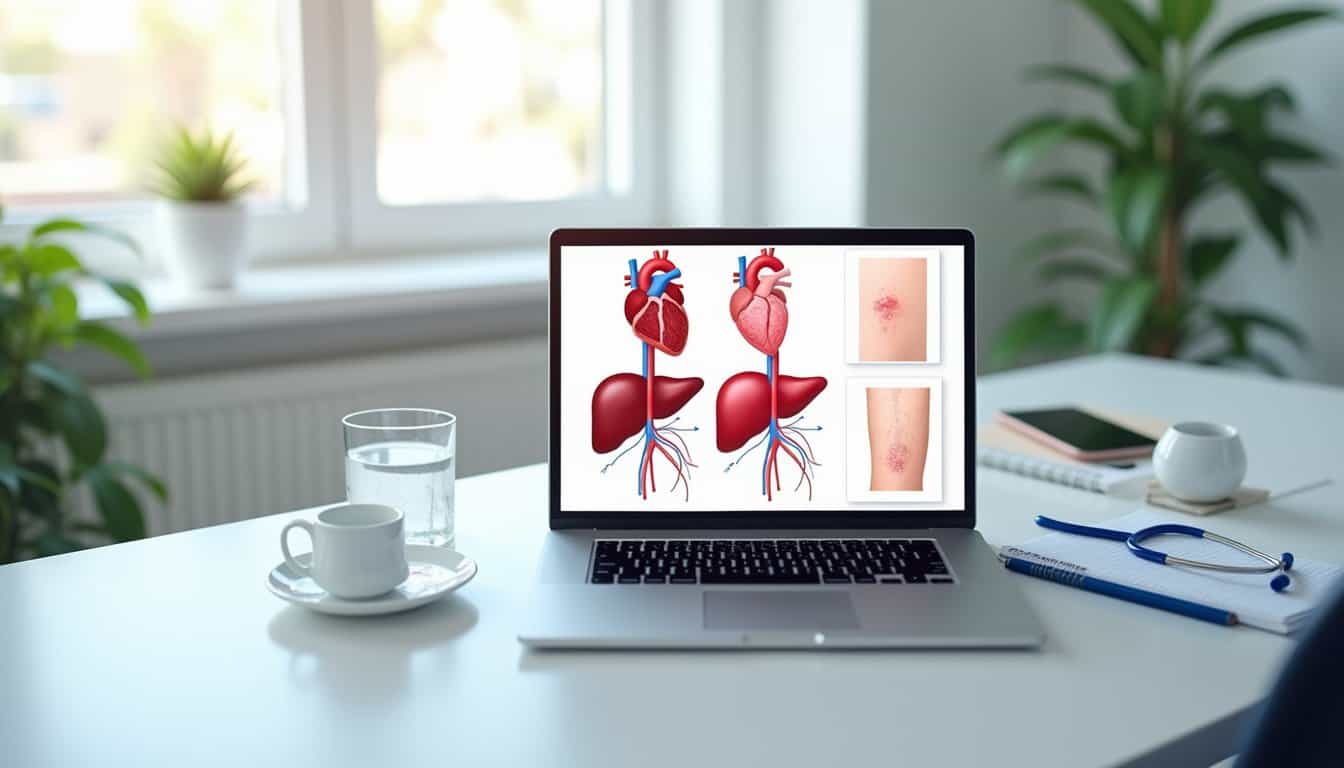
The prevalence of infectious diseases among people who inject drugs (PWID) represents a critical public health challenge, with stark statistics highlighting the scope of this issue. You’ll find that PWID account for 10% of global HIV infections, while HCV affects 39.4% of this population. The incidence of sexually transmitted infections often coincides with these conditions, compounding health risks. Approximately 11 million people inject drugs worldwide.
The risk of sepsis and endocarditis has increased considerably, with MRSA rates doubling from 2010-2018. You’re facing greater vulnerability to bacterial infections through contaminated equipment and unhygienic practices. These complications often require extended hospital stays, yet 17-37% of patients leave against medical advice. When you combine integrated infectious disease and substance use disorder treatment, you’ll see antibiotic completion rates improve from 60% to 90%. Recent studies show that patients receiving care from integrated SIRI teams demonstrate a 45% reduction in readmission and mortality risks within 90 days after discharge.
Neurological Deterioration and Dental Health Risks
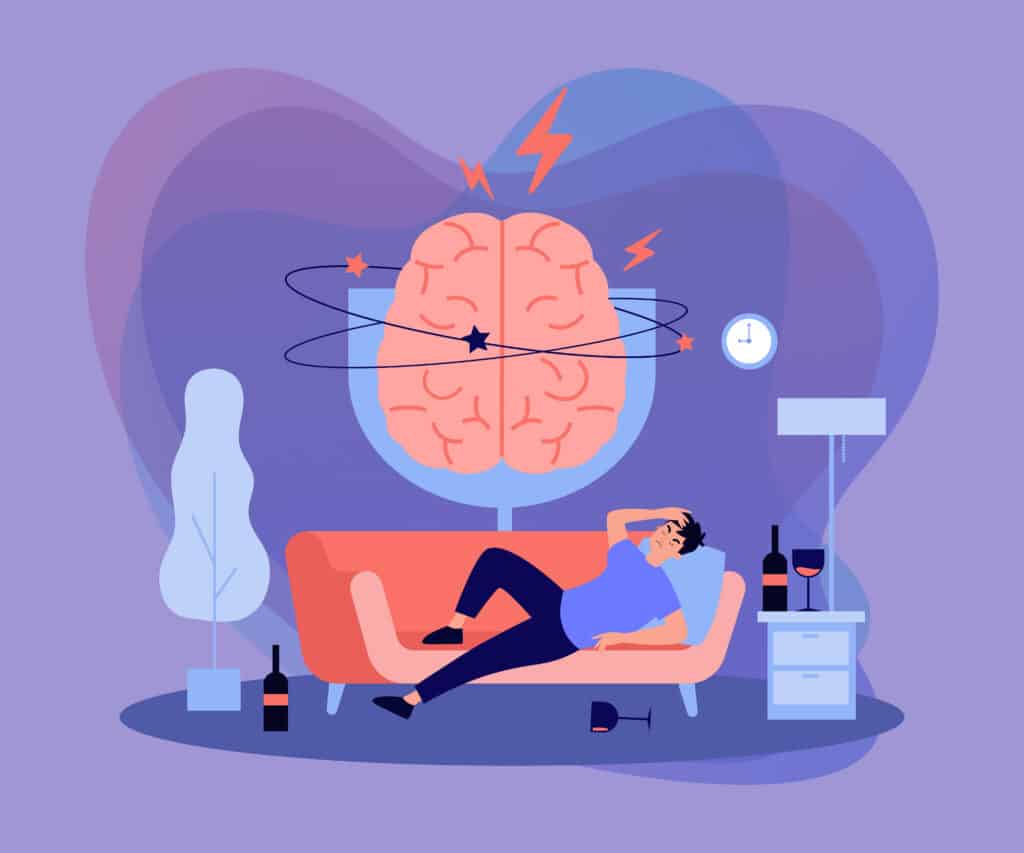
You’ll observe progressive neurotoxicity in long-term substance use, marked by deteriorating dopamine receptor function and reduced prefrontal cortex volume that directly impairs executive functioning.
Your cognitive decline typically follows a pattern of early memory deficits and attention problems, advancing to more severe decision-making impairments and behavioral control issues as the prefrontal-amygdala circuit becomes increasingly dysregulated. This dysregulation occurs because reward pathways overreact to addictive substances, releasing dopamine at levels far beyond what natural rewards produce. Research shows that genetic predisposition plays a significant role in addiction vulnerability, with 40-60% of cases linked to inherited factors. Chronic substance use can trigger persistent seizures in vulnerable individuals, particularly during withdrawal periods.
The emergence of dental problems often parallels these neurological changes, with characteristic signs including accelerated enamel erosion, heightened tooth sensitivity, and increased cavity formation due to substance-induced dry mouth and neglected oral hygiene.
Neurotoxicity Effects Over Time
Prolonged substance abuse triggers substantial neurotoxic effects that reshape critical brain regions, including the basal ganglia, extended amygdala, and prefrontal cortex. These changes persist even after you’ve stopped using, though dopamine transporter recovery may occur after 14+ months of abstinence. The brain’s remarkable neuroplastic capabilities allow for healing through sustained abstinence.
Key neurotoxic progression patterns include:
- Initial disruption of reward sensitivity and executive control systems
- Development of dominant “Go” circuits over inhibitory “Stop” circuits
- Hyperactivation of stress response systems that maintain addiction
- Formation of compensatory neural mechanisms during recovery
You’ll face heightened risks during adolescence when your brain is still developing. While some recovery is possible through sustained abstinence, structural changes can persist, particularly affecting decision-making and impulse control.
Early abstinence typically shows reduced brain activity, but prolonged sobriety correlates with improved executive functioning and brain volume restoration. Brain imaging scans can directly measure these changes in brain function and structure during recovery.
Cognitive Function Decline Patterns
Building on these neurotoxic changes, cognitive function deterioration manifests through distinct patterns that affect both learning capacity and behavioral control. You’ll notice impairments in multiple domains, particularly when pre-existing deficits combine with substance use. These deficits severely impact a person’s treatment retention rates, making recovery more challenging.
Research shows that chronic drug exposure disrupts your prefrontal cortex function, leading to compromised decision-making and memory formation. Individuals often display behavioral impulsivity patterns, acting quickly without considering the negative consequences of their actions.
Cognitive flexibility deficits become especially prominent in polysubstance users, who demonstrate more severe impairments than single-drug users. You’ll experience heightened difficulty adapting to environmental changes and maintaining attention on non-drug stimuli. These patterns worsen with continued use, though recovery potential exists through abstinence.
Women face greater vulnerability, showing more pronounced verbal memory deficits and faster progression of cognitive decline, particularly when complicated by trauma history or psychiatric conditions.
Dental Erosion Warning Signs
When substance addiction takes hold, dental erosion emerges as a critical marker through distinct patterns of damage. You’ll notice progressive deterioration affecting both enamel and underlying structures, often requiring immediate tooth sensitivity mitigation strategies.
Key warning indicators include:
- Jaw clenching and grinding in 50-89% of MDMA users, leading to visible enamel destruction
- Smooth, glazed lesions distinct from typical cavity patterns, especially prominent in cocaine users
- Xerostomia requiring saliva production augmentation, affecting 68% of methamphetamine users
- Advanced dentin exposure causing temperature-related pain, particularly evident in cases involving concurrent GERD
These patterns often present alongside systemic complications, with drug-specific damage profiles accelerating tooth decay. The combination of mechanical wear from bruxism and chemical erosion from acidic substances creates distinctively identifiable damage patterns requiring specialized intervention approaches.
Metabolic Disruptions and Nutritional Challenges in Addiction
Drug addiction disrupts multiple metabolic pathways in both the brain and peripheral organs, creating a cascade of physiological imbalances that extend far beyond initial substance use. You’ll experience substantial alterations in glucose metabolism, particularly in brain regions controlling reward and decision-making.
Circadian rhythm disruption and metabolic inflammation affect your liver’s ability to maintain homeostasis, while dopamine signaling irregularities compromise your brain-liver metabolic axis.
These metabolic disturbances lead to severe nutritional deficiencies, as your body’s ability to process and utilize nutrients becomes impaired. You’re at increased risk for liver disease, compromised immune function, and persistent metabolic dysregulation that can continue even after you’ve stopped using substances.
The combination of altered brain connectivity and systemic metabolic dysfunction profoundly impacts your recovery trajectory and overall health outcomes.
The Complex Relationship Between Mental Health and Substance Use

A profound bidirectional relationship exists between mental health disorders and substance use, with nearly 50% of individuals experiencing serious psychiatric illnesses also developing co-occurring substance use disorders. This complex interplay demands extensive comorbidity screening practices and specialized dual diagnosis rehabilitation approaches.
Key findings demonstrate that mental health and addiction share interconnected pathways:
- Genetic vulnerabilities and dysregulated neurotransmitters contribute to both conditions
- Stress and trauma increase susceptibility to dual diagnoses
- Self-medication with substances temporarily masks mental health symptoms but worsens long-term outcomes
- Integrated treatment approaches targeting both disorders simultaneously show superior recovery rates
Understanding these connections has revolutionized treatment protocols, emphasizing the need for early intervention and combined therapeutic strategies that address both the psychological and physiological aspects of dual diagnosis.
Frequently Asked Questions
Can Addiction-Related Organ Damage Be Reversed After Achieving Long-Term Sobriety?
You can reverse some addiction-related organ damage through long-term sobriety, but success depends on the severity and timing of your recovery. Early-stage damage often improves with lifestyle changes like proper nutrition and exercise.
However, advanced conditions like cirrhosis may require organ transplantation. Your genetics play a role in recovery potential, and some changes, particularly in brain structure, might remain permanent despite maintaining sobriety.
How Long Does It Take for the Brain to Heal From Addiction?
Your brain’s healing from addiction follows a distinct timeline, with initial changes occurring within 1-2 weeks. You’ll experience neurochemical restoration gradually: dopamine function begins improving within weeks, while brain restructuring timeline extends over months.
You’ll see significant cognitive improvements by 3-6 months, with near-normal dopamine levels possible after 14 months of sobriety. However, you’ll need ongoing maintenance, as complete healing can take up to 2 years.
What Role Do Genetics Play in Susceptibility to Addiction-Related Health Problems?
Your genetic predisposition can drastically influence your susceptibility to addiction-related health problems, with heritability estimates ranging from 40-70%.
You’ll find that specific genes on chromosomes 4, 5, 9, 10, 11, and 17 play pivotal roles in multi-drug vulnerability.
However, it’s not just your genes environmental factors interact with your genetic makeup through epigenetic mechanisms, modifying DNA methylation patterns and gene expression.
This gene-environment interplay fundamentally shapes your individual risk profile.
Are There Preventive Medications to Protect Organs During Active Addiction?
While there aren’t medications specifically designed to protect organs during active addiction, you can access medication-assisted treatment (MAT) that indirectly safeguards your organs by reducing substance use.
For alcohol use disorder, you’ll find options like acamprosate and naltrexone, while opioid addiction can be managed with buprenorphine or methadone. These harm reduction strategies don’t directly protect organs but help prevent further damage by managing cravings and reducing substance intake.
How Do Different Combinations of Substances Affect Overall Health Outcomes?
When you combine different substances, you’re dramatically increasing health risks through dangerous drug interactions. Mixing depressants (like opioids and alcohol) can lead to fatal respiratory failure, while combining stimulants puts severe stress on your cardiovascular system.
Your substance abuse patterns will determine specific organ damage for instance, mixing alcohol with cocaine creates toxic compounds in your liver. Multiple substances also vastly/considerably/substantially increase your overdose risk by 2-3 times compared to single-substance use.