








Table of Contents
Introduction
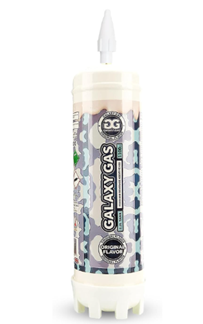
The convenience store shelves have become an unlikely battlefield in America’s ongoing substance abuse crisis. Moreover, what began as innocent whipped cream chargers has evolved into a serious public health concern, with products like Galaxy Gas now marketed in flavors that appeal directly to young adults seeking a quick high. Consequently, nitrous addiction and abuse, colloquially known as “hippie crack” or “whippets”, has surged to alarming levels, with emergency departments reporting a notable increase in related admissions [1]. At Flagler Health & Wellness, we’ve witnessed firsthand how this seemingly harmless substance can spiral into a devastating addiction that demands immediate, professional intervention.
An Overview of Nitrous Oxide
Nitrous oxide, chemically designated as N2O, exists as a colorless gas with a slightly sweet odor that’s been utilized in medical and culinary applications for over a century. Furthermore, when used appropriately in dental offices or surgical centers, it serves as an effective anesthetic agent. However, the recreational abuse of this substance tells an entirely different story.
The compound works by displacing oxygen in the lungs and subsequently depressing the central nervous system, creating brief but intense euphoric effects. Street names proliferate: laughing gas, hippies, nos, and nangs represent just a fraction of the terminology surrounding nitrous oxide drug use. Additionally, the emergence of branded products like Galaxy Gas, which come in enticing flavors such as “Blue Razz” and “Pineapple Twist”, has fundamentally transformed accessibility and social perception of this dangerous inhalant.
The Drug Enforcement Administration classifies inhalants, including nitrous oxide, as substances with significant abuse potential [5]. Nevertheless, the legal gray area surrounding food-grade nitrous oxide creates enforcement challenges that complicate prevention efforts.
Effects of Nitrous Oxide
Understanding what nitrous addiction does to your body requires examining both its intended medical applications and its dangerous recreational effects. When inhaled recreationally, the gas travels rapidly through the lungs into the bloodstream, crossing the blood-brain barrier within seconds.
The immediate sensation resembles floating or detachment from reality. Users often describe auditory distortions, visual alterations, and a sense of profound relaxation that lasts merely 30 to 45 seconds. However, this brevity fuels a dangerous pattern: individuals typically inhale multiple times in succession, known as “doing whippets,” which exponentially increases health risks.
| Duration Stage | Timeline | User Experience |
| Onset | 10-15 seconds | Initial euphoria begins |
| Peak Effect | 30-45 seconds | Maximum dissociation |
| Comedown | 1-2 minutes | Return to baseline |
| Compulsion Period | 5-10 minutes | Strong urge to re-dose |
The Federal Drug Administration has issued specific warnings about recreational nitrous oxide inhalation, emphasizing the severe oxygen deprivation risks [3]. Consequently, each inhalation session represents a potential medical emergency waiting to unfold.
Immediate and Short-Term Effects and Dangers of N2O
The short-term effects of nitrous oxide abuse extend far beyond the fleeting euphoria that attracts users. While the high dissipates quickly, the physiological consequences persist and accumulate with each use.
Physical manifestations include dizziness, disorientation, and impaired motor coordination. Users frequently experience nausea, vomiting, and severe headaches following inhalation sessions. Moreover, the practice of inhaling directly from pressurized canisters or tanks can cause frostbite to the lips, throat, and vocal cords due to the extremely cold gas temperature.
Neurologically, nitrous oxide abuse triggers immediate vitamin B12 depletion, which plays a crucial role in nerve function and red blood cell formation. Research published in psychiatry journals documents cases of acute psychosis following nitrous oxide binges [4]. Additionally, oxygen deprivation during inhalation can lead to loss of consciousness, falls resulting in traumatic injuries, and in extreme cases, sudden cardiac arrest.
The dangers intensify when individuals combine nitrous oxide with other substances. Mixing nos with alcohol, cannabis, or other depressants compounds respiratory depression risks. Furthermore, using nitrous oxide in enclosed spaces without adequate ventilation creates asphyxiation hazards that have proven fatal in documented cases.
Long-Term Effects of N2O Abuse
Chronic nitrous oxide abuse establishes a cascade of devastating health consequences that persist long after the last inhalation. The long-term effects of nitrous oxide abuse are particularly insidious because they often develop gradually, making recognition and intervention challenging.
Neurological damage represents the most severe consequence of sustained use. Nitrous oxide irreversibly inactivates vitamin B12, leading to subacute combined degeneration of the spinal cord. This condition manifests as progressive numbness, tingling in extremities, weakness, and difficulty walking. In advanced cases, individuals lose the ability to perform basic motor functions and may require assistive devices for mobility.
Research published in medical journals reveals that prolonged exposure causes demyelination, the destruction of the protective coating around nerve fibers [2]. This deterioration results in permanent sensory deficits, cognitive impairment, and in severe cases, paralysis. Recent data from the CDC indicates that nitrous oxide-related hospitalizations have increased significantly, with many patients presenting with irreversible neurological damage [1].
Beyond neurological impacts, chronic users face cardiovascular complications including irregular heartbeat and increased stroke risk. The persistent vitamin B12 deficiency also triggers megaloblastic anemia, leaving individuals fatigued and immunocompromised. Furthermore, psychological dependence develops as users chase the initial euphoric experience, leading to compulsive use patterns characteristic of substance use disorders.
| Body System | Short-Term Effects | Long-Term Effects |
| Nervous System | Dizziness, coordination loss | Peripheral neuropathy, paralysis |
| Cardiovascular | Rapid heartbeat | Irregular rhythm, stroke risk |
| Blood | Temporary oxygen reduction | Chronic anemia, B12 deficiency |
| Cognitive | Brief confusion, memory gaps | Permanent cognitive impairment |
| Psychological | Euphoria, anxiety | Dependence, depression |
Nitrous Oxide Withdrawal Symptoms and Timelines
While nitrous oxide doesn’t produce the intense physical withdrawal associated with opioids or alcohol, individuals struggling with nitrous addiction do experience significant psychological and physical discomfort when attempting to quit. Understanding nitrous oxide withdrawal symptoms helps individuals prepare for recovery challenges ahead.
Psychological withdrawal dominates the detoxification experience. Users report intense cravings, particularly during the first 72 hours of abstinence. Anxiety, depression, and irritability emerge as the brain adjusts to functioning without the substance’s neurochemical effects. Sleep disturbances plague many individuals, with vivid dreams or insomnia complicating early recovery efforts.
Physical symptoms manifest differently depending on usage patterns and duration. Some individuals experience headaches, fatigue, and difficulty concentrating. Those who’ve developed neurological complications may notice their existing symptoms intensifying temporarily before gradual improvement begins. However, it’s worth noting that some nerve damage remains permanent despite abstinence.
Withdrawal Timeline:
- Days 1-3: Peak psychological cravings, anxiety, sleep disruption
- Week 1: Mood swings, difficulty focusing, persistent fatigue
- Weeks 2-4: Gradual improvement in psychological symptoms, continued neurological healing
- Months 1-6: Ongoing cognitive recovery, vitamin B12 replenishment, nerve regeneration (where possible)
The nitrous oxide withdrawal treatment process benefits significantly from professional medical supervision. At Flagler Health & Wellness, our team monitors vitamin levels, provides nutritional support, and addresses any neurological complications that emerge during early recovery.
Nitrous Oxide Addiction Rehab Treatment
Overcoming nitrous addiction requires comprehensive treatment addressing both physical health consequences and psychological dependence. At Flagler Health & Wellness, we’ve developed specialized protocols for individuals struggling with inhalant use disorders, recognizing that traditional addiction treatment models require adaptation for this unique substance class.
Treatment begins with thorough medical assessment, including neurological evaluation and vitamin B12 testing. Many clients arrive with undiagnosed nerve damage requiring immediate intervention. Our medical team initiates B12 supplementation, often through intramuscular injections, to begin reversing deficiencies and preventing further neurological deterioration.
Our residential treatment program provides the structure necessary for successful recovery from nitrous oxide abuse. The controlled environment eliminates access to substances while addressing underlying factors driving addictive behaviors. Individual therapy sessions explore trauma, co-occurring mental health conditions, and destructive thought patterns that perpetuate substance use.
Group therapy proves particularly valuable for individuals recovering from inhalant abuse. Sharing experiences with others who understand the unique challenges of nitrous addiction reduces isolation and builds accountability. Furthermore, our evidence-based therapeutic approaches include:
- Cognitive Behavioral Therapy (CBT): Identifying and modifying thoughts and behaviors associated with substance use
- Dialectical Behavior Therapy (DBT): Building emotional regulation skills and distress tolerance
- Motivational Interviewing: Strengthening personal commitment to change
- Family Therapy: Repairing relationships damaged by addiction and building support systems
Aftercare planning represents a critical component of lasting recovery. Before completing residential treatment, clients work with counselors to establish continuing care arrangements, including outpatient therapy, support group participation, and ongoing medical monitoring. The neurological consequences of nitrous abuse often require extended follow-up with specialists who can track healing progress and adjust treatment protocols accordingly.
At Flagler Health & Wellness, we understand that addiction to nitrous oxide represents a genuine medical condition requiring compassionate, evidence-based intervention. Our 24/7 admissions team stands ready to answer questions, verify insurance coverage, and facilitate immediate placement for individuals ready to reclaim their lives from this dangerous substance. Contact us today to find lasting recovery.
Frequently Asked Questions
Q: Is nitrous oxide addictive?
A: While nitrous oxide doesn’t create the same physical dependence as substances like opioids, it absolutely can be addictive. The rapid onset and brief duration of effects create a powerful psychological compulsion to use repeatedly. Research indicates that regular users develop tolerance, requiring larger amounts to achieve desired effects, which is a hallmark sign of addiction. The psychological dependence can be just as powerful as physical addiction, driving compulsive use despite negative consequences.
Q: How long does nitrous oxide last in your system?
A: Nitrous oxide has an extremely short half-life of approximately 5 minutes. The gas is rapidly eliminated through exhalation, meaning it doesn’t remain detectable in standard drug tests for extended periods. However, while the substance itself clears quickly, the neurological damage and vitamin B12 depletion caused by abuse persist far longer, sometimes permanently. The brevity of nitrous in your system is precisely what makes it so dangerous, as users frequently inhale multiple times in succession.
Q: What are hippie crack and Galaxy Gas?
A: “Hippie crack” is a street name for nitrous oxide, referencing its popularity in counterculture communities. Galaxy Gas represents a brand of flavored nitrous oxide products marketed ostensibly for culinary use but widely abused recreationally. These products come in enticing flavors and colorful packaging that appeals to younger demographics, effectively normalizing a dangerous substance. The DEA and FDA have raised concerns about these marketing tactics that blur the line between legitimate use and recreational abuse [3][5].
Q: Can you die from nitrous oxide abuse?
A: Yes, nitrous oxide abuse can be fatal. Deaths occur through multiple mechanisms: oxygen deprivation leading to asphyxiation, loss of consciousness resulting in accidents or aspiration, sudden cardiac events, or injuries sustained while impaired. The CDC reports that nitrous oxide deaths per year have increased alongside rising abuse rates [1]. Additionally, using nitrous in enclosed spaces or inhaling directly from pressurized sources significantly elevates fatality risks.
Q: What are the signs someone is abusing nitrous oxide?
A: Nitrous oxide addiction symptoms include possession of whipped cream chargers or “cracker” devices, empty nitrous canisters scattered around living spaces, and chemical odor on breath or clothing. Physical signs include unexplained bruising or burns around the mouth, frequent nosebleeds, and progressive neurological symptoms like numbness or coordination problems. Behavioral changes such as social withdrawal, declining performance at work or school, and financial difficulties from purchasing supplies also indicate problematic use.
Sources
[1] Centers for Disease Control and Prevention. (2025). Trends in Nitrous Oxide-Related Emergency Department Visits and Hospitalizations. MMWR, 74(12). https://www.cdc.gov/mmwr/volumes/74/wr/mm7412a3.htm
[2] Garakani, A., Welch, A. K., Jaffe, R. J., Procopio, M., & Ross, D. A. (2015). Neuropsychiatric Effects of Chronic Nitrous Oxide Abuse. PubMed, 26496821. https://pubmed.ncbi.nlm.nih.gov/26496821/
[3] U.S. Food and Drug Administration. (2024). FDA Advises Consumers Not to Inhale Nitrous Oxide Products Marketed for Recreational Use. https://www.fda.gov/food/alerts-advisories-safety-information/fda-advises-consumers-not-inhale-nitrous-oxide-products
[4] Psychiatry Online. (2023). Nitrous Oxide-Induced Psychosis: A Growing Concern. American Journal of Psychiatry Residents’ Journal, 190201. https://psychiatryonline.org/doi/full/10.1176/appi.ajp-rj.2023.190201
[5] U.S. Drug Enforcement Administration. (2024). Inhalants Drug Fact Sheet. https://www.dea.gov/factsheets/inhalants