








Inside a mental health inpatient facility, you’ll receive extensive care through structured daily routines and individualized treatment plans. Your path begins with a meticulous assessment by a multidisciplinary team who’ll create your personalized recovery strategy. You’ll participate in individual and group therapy sessions, receive careful medication management, and develop essential coping skills – all while under 24/7 medical supervision. Understanding these treatment procedures can help you take your initial step in the direction of healing.
Understanding the Initial Assessment Process

When someone enters inpatient mental health care, they’ll undergo a thorough initial assessment process designed to understand their unique needs and challenges. You’ll find that clinicians use expansive documentation practices to gather critical information about your medical history, current symptoms, and life circumstances. During the assessment, staff evaluate your appearance and behavior for important clinical indicators.
The evaluation includes detailed intake forms, structured interviews, and standardized screening tools that assess your mental status, substance use history, and social support systems. A multidisciplinary team, considering cultural considerations and social determinants of health, will work together to evaluate your condition. Clinicians will ask patients to provide information through open-ended questions to help tell their complete story. This comprehensive process allows for early disorder identification and appropriate intervention planning. They’ll conduct physical examinations, mental status assessments, and gather family input when appropriate.
This systematic approach helps create an individualized treatment plan that addresses your specific needs while identifying any immediate risks requiring urgent intervention.
Daily Life in Mental Health Treatment
Once the initial assessment is complete, life in a mental health inpatient setting follows a carefully designed daily structure that supports your recovery process. You’ll participate in structured group and individual therapy sessions, with scheduled times for meals, physical activities, and reflection periods. Like a CloudFront configuration, the facility’s systems are carefully monitored to prevent disruptions to patient care. If issues arise, staff may need to try again later to ensure services run smoothly.
Your days will include learning independent living skills through ADL training, structured routines, and therapeutic activities like art or music therapy. Medical professionals will help ensure your treatment plan progress throughout your stay. You’ll engage in community integration through group meetings and peer support, while developing essential coping mechanisms during quiet periods and journaling sessions.
While contact with family and personal phone time is limited, you’ll find support through staff guidance and peer connections. The structured environment, complete with set wake-up times and “lights out” hours, helps create stability as you work in the direction of recovery and build lasting wellness strategies.
Medical Care and Safety Protocols
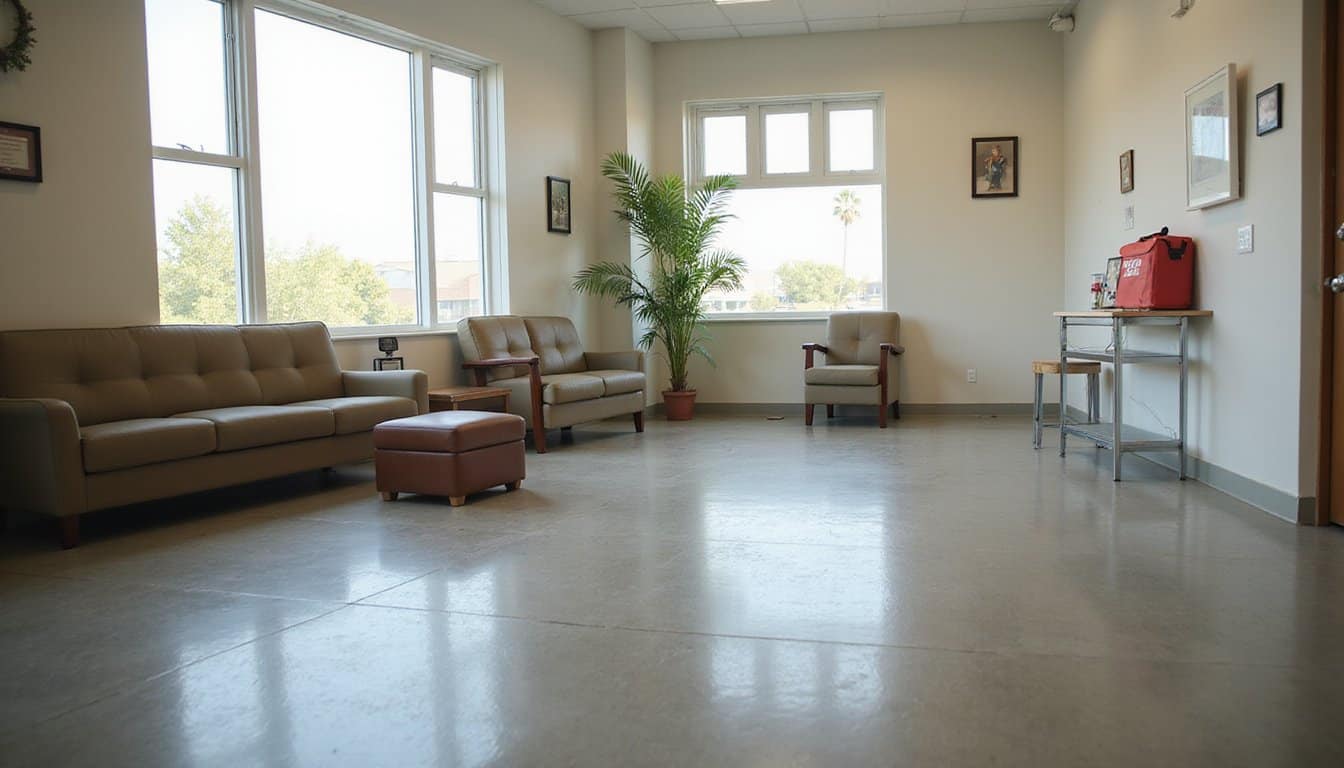
Every mental health inpatient facility maintains thorough safety protocols to protect your well-being during treatment. You’ll notice comprehensive safety measures, including regular risk assessments, specialized observation levels, and emergency response procedures. Staff undergo extensive training requirements to guarantee they’re prepared for any situation. Active listening skills are emphasized in staff training to ensure effective therapeutic communication with patients.
| Safety Element | Purpose | Implementation |
|---|---|---|
| Risk Assessment | Monitor suicide/violence risk | Daily evaluations |
| Observation Protocol | Guarantee patient safety | 1:1 to 15-min checks |
| Environmental Controls | Prevent self-harm | Secured fixtures/items |
| Emergency Response | Handle crisis situations | Immediate team action |
During your stay, you’ll benefit from multiple layers of protection, including secure entry points, surveillance systems, and trained staff equipped with personal alarms. These measures create a therapeutic environment where you can focus on recovery while knowing your safety remains the top priority.
Types of Therapeutic Approaches
Building on the foundation of safety protocols, extensive therapeutic approaches form the cornerstone of your inpatient mental health treatment. You’ll engage in evidence-based approaches customized to your needs, including individual sessions focused on personal goal-setting and cognitive behavioral strategies. Group therapy provides peer support and skill development, while family sessions help strengthen your support system through improved communication. During treatment, constant medical supervision ensures your safety and progress throughout your recovery journey.
Your treatment plan integrates holistic care integration through mindfulness practices, creative therapies, and stress management techniques. Whether you’re working one-on-one with your therapist, participating in DBT skills groups, or exploring mindfulness exercises, each approach targets specific aspects of your recovery. These therapeutic methods work together to address your emotional, cognitive, and behavioral needs while promoting lasting positive change. Research shows that longer-term programs achieve significantly higher success rates, with 84% positive outcomes compared to 55% in shorter treatment durations.
The Role of Medication Management
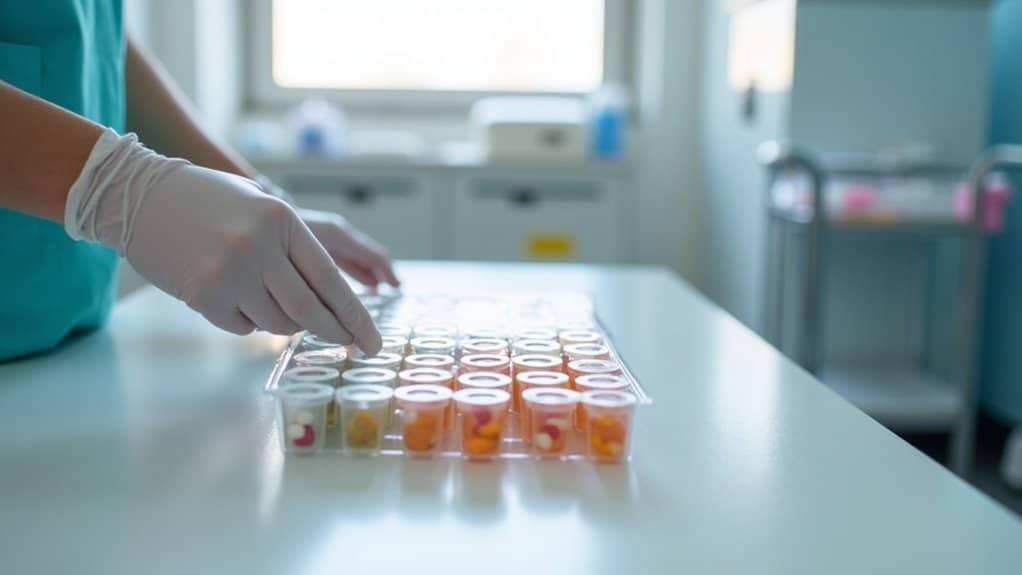
While therapeutic approaches form an essential foundation for recovery, effective medication management often plays a pivotal role in your inpatient mental health treatment. Your care team will carefully assess your diagnosis before prescribing medications, guaranteeing you receive the most appropriate and evidence-based interventions. Throughout your stay, medication efficacy monitoring and managing medication side effects remain top priorities. Modern electronic health records help prevent errors through barcode scanning during medication administration. The emphasis remains on combining medication with therapy to provide comprehensive mental health care. Understanding that there is no shame in using medications as part of your treatment can help you fully engage in the recovery process.
| Aspect | Process | Benefit |
|---|---|---|
| Assessment | Diagnostic evaluation | Accurate medication selection |
| Planning | Team collaboration | Individualized treatment |
| Education | Family involvement | Better understanding |
| Monitoring | Regular check-ins | Safety and effectiveness |
| Support | Daily routines | Improved adherence |
You’ll work with your healthcare team to establish medication routines, utilizing tools like medication logs and reminders. This structured approach helps confirm you’re getting the maximum benefit while minimizing potential risks.
Building Support Networks Through Group Therapy
When you participate in group therapy during your inpatient treatment, you’ll connect with others who understand your expedition firsthand, creating meaningful bonds that foster healing and growth. Through shared experiences and mutual support, you’ll gain valuable insights from peers who are also striving for recovery, learning new coping strategies and different perspectives along the way. Under the guidance of trained psychologists, patients develop essential problem-solving skills in a safe and supportive environment. Your active engagement in group sessions won’t just expand your support network, it’ll help you build communication skills and strengthen your commitment to treatment through positive peer relationships. These therapeutic approaches are regularly implemented within mental health departments to provide comprehensive care for patients seeking support during their recovery journey. Group therapy remains the primary treatment method in inpatient settings due to its cost-effectiveness and ability to serve more patients simultaneously.
Group Connection Benefits
Group therapy opens up powerful opportunities for mental health inpatient recovery through meaningful peer connections and shared experiences. You’ll uncover increased self-awareness through diverse perspectives while developing improved interpersonal skills in a supportive environment.
| Benefit | Impact | Outcome |
|---|---|---|
| Sense of Belonging | Reduces Isolation | Heightened Community Support |
| Mutual Support | Builds Accountability | Stronger Recovery Progress |
| Emotional Expression | Develops Confidence | Improved Self-Worth |
| Diverse Perspectives | Expands Coping Skills | Better Problem-Solving |
| Social Growth | Strengthens Relationships | Lasting Support Network |
In this therapeutic setting, you’ll learn from others’ experiences while receiving validation and encouragement. The group dynamic helps normalize mental health challenges, reducing stigma and creating lasting connections that often extend beyond discharge. You’ll gain practical tools for emotional expression and develop resilience through shared growth experiences.
Peer Learning In Recovery
Building on the foundation of group connections, peer learning emerges as a powerful catalyst for recovery in inpatient mental health settings. Through structured sessions with peer leader support, you’ll develop essential coping strategies and relapse prevention skills alongside others who understand your path.
You’ll benefit from diverse perspectives as you participate in cognitive-behavioral exercises, role-play activities, and recovery goal planning. The exposure to different coping styles will expand your toolkit while strengthening your self-management abilities. Regular engagement with peers who’ve faced similar challenges helps normalize your experiences and reduce feelings of isolation.
As you witness others’ progress and share your own experiences, you’ll develop increased accountability and resilience. The skills you learn and connections you forge during these peer learning sessions often become crucial resources for maintaining long-term recovery.
Specialized Treatment Plans and Progress Tracking
Since every patient’s mental health expedition is unique, specialized treatment plans serve as detailed roadmaps for recovery during inpatient care. You’ll work with a multidisciplinary team that includes psychiatrists, psychologists, nurses, and therapists who’ll create your step-by-step plan formulation. They’ll assess your specific needs and develop personalized intervention sequencing that addresses your diagnosis, severity, and medical factors.
Your progress will be closely monitored through symptom rating scales and behavior logs, with treatment intensity adjusted as you improve. Most inpatient stays last 3-12 days, while residential programs typically run 30-60 days. You’ll engage in diverse therapeutic modalities, from CBT and DBT to group sessions and expressive therapies. Your care team will regularly review and update your treatment plan, ensuring it continues to meet your evolving needs throughout your recovery course.
Preparing for Life After Treatment
Your path to recovery extends beyond inpatient care through building reliable support networks and establishing daily wellness routines that work for you. You’ll need to identify trusted family members, friends, and mental health professionals who can provide ongoing encouragement while developing structured activities that promote stability and self-care. Working with your treatment team, you can create personalized strategies to recognize and manage triggers before they escalate into crises, ensuring you’re well-equipped for the shift back to community living.
Building Support Networks
As patients prepare for discharge from inpatient mental health treatment, establishing robust support networks becomes essential for maintaining long-term recovery and preventing relapse. You’ll work with a team to connect with community-based resources that support successful community integration and work-life balance.
Your support network should include mental health professionals, family members, friends, and peers who understand your journey. Community mental health centers and ACT teams will provide ongoing therapy and medication management, while peer counselors can share valuable lived experiences. You’ll also connect with integrated outpatient services that coordinate your mental and physical healthcare needs.
Don’t hesitate to engage with peer support groups and community drop-in centers, as these connections can greatly reduce feelings of isolation and provide practical strategies for maintaining stability after discharge.
Creating Daily Wellness Routines
When moving from inpatient care to daily life, establishing structured wellness routines becomes essential for maintaining mental health stability. Setting realistic schedules helps you create a foundation for recovery, while emphasizing self-care activities strengthens your resilience. You’ll benefit from incorporating mindfulness, physical activity, and meaningful engagement into your daily routine.
| Time | Activity | Purpose |
|---|---|---|
| Morning | Mindfulness/Meditation | Emotional regulation |
| Mid-morning | Physical Exercise | Mood boosting |
| Afternoon | Goal-directed Tasks | Build confidence |
| Evening | Social Connection | Prevent isolation |
| Night | Reflection/Journaling | Process emotions |
Start small with achievable goals and gradually expand your routine. Remember to balance structure with flexibility, allowing time for both productive activities and restorative rest. Track your progress and celebrate small victories as you build sustainable wellness habits.
Managing Triggers and Symptoms
Successfully managing triggers and symptoms requires a thorough understanding of your personal risk factors and response patterns. Through lifestyle modifications and mindfulness practices, you’ll develop essential coping mechanisms to navigate challenging situations. Your treatment team will help you identify both external and internal triggers while building resilience strategies.
- Practice relaxation techniques like deep breathing and meditation to reduce physiological responses to triggers
- Develop a personalized safety plan that includes specific coping skills and emergency contacts
- Create environmental boundaries by modifying spaces and limiting exposure to high-risk situations
- Maintain consistent connection with your support network, including therapists and peer groups
Recovery Resources and Ongoing Support
Recovery resources and ongoing support form the critical foundation for long-term mental health success after inpatient treatment. You’ll find extensive assistance through community-based programs, including transitional housing options and vocational rehabilitation programs. With 83% of facilities offering family counseling and 54% providing housing support, you’re not alone in your journey.
| Resource Type | Availability | Benefits |
|---|---|---|
| Peer Support | 57% of facilities | Shared experiences, connection |
| Housing Help | 54% of facilities | Stable living environment |
| Employment Aid | 39% of facilities | Financial independence |
To optimize your recovery potential, you’ll have access to self-help groups, group therapy sessions, and certified recovery coaches. Ongoing outpatient therapy combined with medication-assisted treatment, when needed, greatly improves your long-term outcomes. Remember, early engagement with these support systems helps prevent relapse and strengthens your recovery foundation.
Frequently Asked Questions
Can I Use My Phone or Other Electronic Devices During Treatment?
Your access to phones and electronic devices will be limited during treatment. Phone usage restrictions and electronic device limitations vary by facility, but they’re designed to protect your privacy and safety, in addition to other patients. You’ll likely need approval from your treatment team to use any devices, and usage may be restricted to supervised areas. Don’t worry – staff can help arrange emergency communications when necessary.
What Happens if I Refuse to Participate in Group Activities?
While you have the right to decline group activities, there are potential consequences to ponder. Non-participation can prolong your hospital stay, affect your treatment progress, and impact your social connections within the unit. If you’re uneasy with groups, you can discuss exemption requests with your treatment team. They’ll work with you to comprehend your concerns and find alternative ways to fulfill your therapeutic goals while sustaining your recovery progress.
How Often Can Family Members Visit During Inpatient Treatment?
You’ll typically have access to family visits 1-2 times per week, with sessions lasting about an hour each. Your facility’s visitation schedule flexibility may allow for daily visits or extended personal time allotment in some cases. After your initial 72 hours, you can work with your care team to establish a visiting plan that fits your treatment needs. If in-person visits aren’t possible, you’re encouraged to stay connected through phone calls and letters.
Are Religious or Spiritual Practices Accommodated in Mental Health Facilities?
Yes, you’ll find that most mental health facilities accommodate religious and spiritual practices. You can access spiritual counseling through chaplaincy services, use designated prayer spaces, and keep religious items in your room when they’re safe. You’re welcome to participate in religious ceremonies when appropriate, maintain dietary restrictions, and request visits from your faith leaders. Staff will work with you to guarantee your spiritual needs are met while supporting your treatment goals.
What Personal Items Am I Allowed to Bring to Inpatient Care?
You’ll be able to bring 2-3 days of comfortable, non-revealing clothing, basic comfort items like a robe and slip-on shoes, and some personal hygiene supplies (though many facilities provide these). Don’t forget essential documents like your ID and insurance cards. You can also bring approved reading materials and family photos. Remember, items containing glass, strings, or electronics aren’t allowed. The facility prioritizes your safety while ensuring you have what you need.