








Kratom lacks the rigorous clinical evidence you’d expect from a legitimate pain or stress treatment; most studies rely on self-reported data with significant bias. You’re also exposing yourself to serious health risks, including liver toxicity, cardiac complications, and seizures. The substance carries real addiction potential, with withdrawal symptoms mirroring opioid dependence. Major health authorities like the FDA haven’t approved kratom for any medical use. Understanding the full scope of these dangers can help you make safer choices.
Limited Evidence of Effectiveness for Pain and Stress Relief
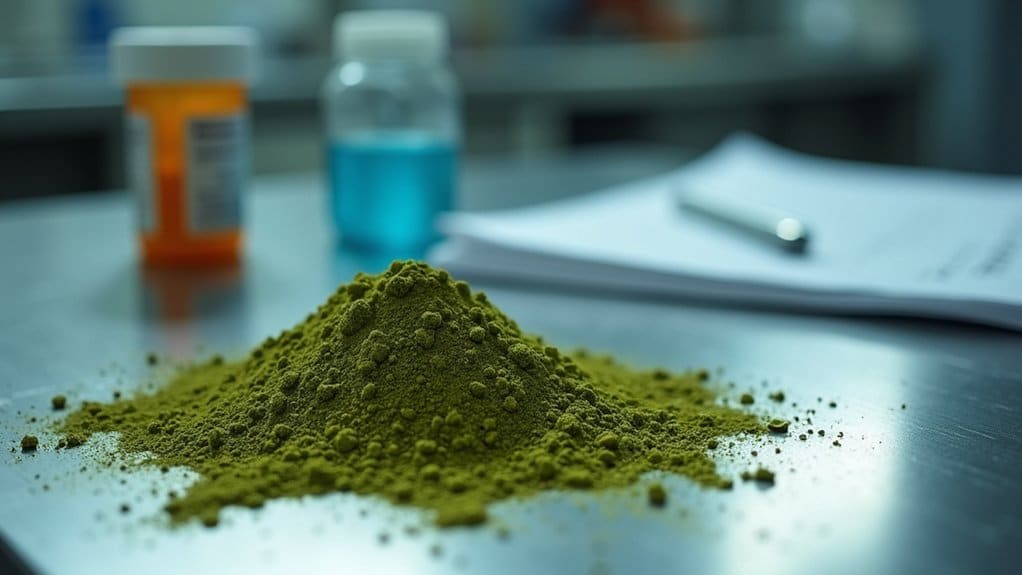
The scientific evidence supporting kratom’s effectiveness for pain and stress relief remains remarkably thin. You won’t find robust randomized controlled trials evaluating kratom for chronic pain conditions like neuropathy, back pain, or arthritis. The existing research consists primarily of surveys and case series that can’t establish true efficacy.
When you examine the data closely, you’ll notice a critical lack of objective pain outcome measures. Most studies rely on users rating their own relief, which introduces significant bias. There are also substantial confounding variables in self-reported data, including placebo effects, expectancy bias, and selection bias among motivated users. Additionally, the study’s sample was 91% White participants, limiting how broadly the findings can be applied across diverse populations.
Major medical organizations don’t recognize kratom as evidence-based therapy. The study enrolled only 26 male participants, which limits the statistical power to detect smaller but potentially meaningful effects. While only one randomized controlled trial has supported kratom’s therapeutic value as an analgesic, this limited evidence base is insufficient to draw definitive conclusions. Until adequately powered, placebo-controlled trials are conducted, you shouldn’t consider kratom a proven analgesic.
Significant Acute and Chronic Health Risks
Kratom poses serious risks to multiple organ systems, with documented cases of liver toxicity, cardiac events, and pulmonary complications. You should understand that pulmonary edema occurred in 74.3% of fatal kratom cases, a finding absent in survivors. Cardiac events include coronary atherosclerosis, cardiomegaly, and myocardial infarction.
| Organ System | Acute Effects | Chronic Effects |
|---|---|---|
| Liver | Heightened enzymes, dark urine | Cholestasis, shock liver |
| Heart | Arrhythmias | Ventricular hypertrophy |
| Brain | Seizures, altered consciousness | Cerebral edema |
| Lungs | Pulmonary edema | Respiratory failure |
| GI Tract | Vomiting, aspiration | Chronic abdominal pain |
You’re also at risk for seizures, psychosis, and hallucinations. The FDA and DEA have issued specific warnings about these neurological dangers, confirming kratom’s significant threat to your health. Beyond these acute effects, kratom can be addictive and cause withdrawal symptoms, compounding the health risks for regular users. Adding to these concerns, kratom products have been found to contain heavy metals and harmful bacteria like salmonella, creating additional contamination risks beyond the drug’s inherent dangers. Pregnant women face particular dangers, as prolonged kratom exposure can cause neonatal abstinence syndrome, leaving newborns to experience withdrawal signs after birth.
Dependence, Withdrawal, and Substance Use Disorder Potential

If you use kratom regularly, you should recognize the warning signs of abuse potential, including escalating doses, compulsive use patterns, and difficulty reducing consumption despite negative consequences. When you stop abruptly, you may experience challenging withdrawal symptoms such as muscle aches, insomnia, anxiety, and intense cravings that mirror opioid withdrawal and can persist for days. Data shows that kratom exposures reported to U.S. poison control centers increased significantly from 2011 to 2017, reflecting growing public health concerns. Researchers are still working to understand how often kratom use leads to withdrawal or substance use disorder. If you’re pregnant, kratom use poses documented risks of neonatal abstinence syndrome, meaning your newborn may suffer withdrawal symptoms requiring medical intervention.
Abuse Potential Warning Signs
Several warning signs can indicate that kratom use has progressed from occasional consumption to a substance use disorder requiring clinical attention.
Psychological warning signs include intense cravings that dominate your thoughts, using kratom as your primary coping mechanism for stress, and denying its negative impact on your life. You may notice irritability, mood swings, anxiety, or depression intensifying with continued use. Kratom binds to opioid receptors in the central nervous system, which explains why regular use can disrupt the brain’s chemical messengers and fuel the cycle of addiction.
Functional red flags manifest when you prioritize kratom over work, school, or family responsibilities. You’ll spend excessive time obtaining and using kratom while abandoning social and recreational activities. Despite recognizing harmful consequences, health problems, strained relationships, and financial difficulties, you continue using and fail repeatedly when attempting to quit.
If you’ve made unsuccessful attempts to reduce consumption despite wanting to stop, professional intervention is warranted. Physical withdrawal symptoms such as nausea, insomnia, muscle pain, and diarrhea are similar to opioid withdrawal and indicate physiological dependence has developed.
Withdrawal Symptom Challenges
How quickly can your body become dependent on kratom? Physical dependence develops with regular use, and withdrawal symptoms typically emerge within 12, 48 hours after your last dose. The withdrawal timeline varies, but acute symptoms generally last 1, 3 days, sometimes extending up to a week.
You’ll likely experience significant symptom complexity during withdrawal. Physical effects include diarrhea, muscle aches, nausea, sweating, and sleep disturbances. Psychological symptoms, anxiety, irritability, depression, and intense cravings often compound your distress.
Research shows kratom withdrawal resembles a hybrid of opioid and stimulant discontinuation syndromes, making self-management difficult. Nearly 80% of people misusing kratom report they can’t stop without professional help. About half of those who abuse kratom experience severe withdrawal. If you’re using kratom regularly, you’re at substantial risk for dependence requiring clinical intervention. Studies indicate that tolerance and withdrawal are the primary features of kratom use disorder, rather than psychosocial impairments typically seen with other substances. Several case reports have documented the use of buprenorphine for medication-assisted treatment in individuals struggling with kratom dependence, though no formal treatment guidelines currently exist.
Neonatal Abstinence Risks
When pregnant individuals use kratom regularly, their developing babies face serious risks of neonatal abstinence syndrome (NAS). Kratom’s alkaloids cross the placenta and act on fetal opioid receptors, causing fetal neuroadaptation that leads to dependence before birth.
Within 24, 36 hours after delivery, affected newborns may exhibit high-pitched crying, tremors, hypertonia, irritability, and tachypnea. Many infants require pharmacologic treatment with morphine or methadone and experience prolonged hospital stays. In one documented case, an infant treated with morphine appeared overly sedated and developed sinus bradycardia, requiring discontinuation of the medication on the third day of life. Some infants require extended treatment, with one case documenting a 30-day methadone wean before successful discharge.
You should know that diagnostic challenges complicate identification of kratom-related NAS. Standard toxicology screens don’t detect kratom, so cases often go unrecognized unless clinicians specifically ask about herbal product use. If you’re pregnant or planning pregnancy, you must understand that kratom use puts your baby at documented risk for withdrawal requiring intensive medical intervention.
Dangerous Drug Interactions and Contamination Concerns
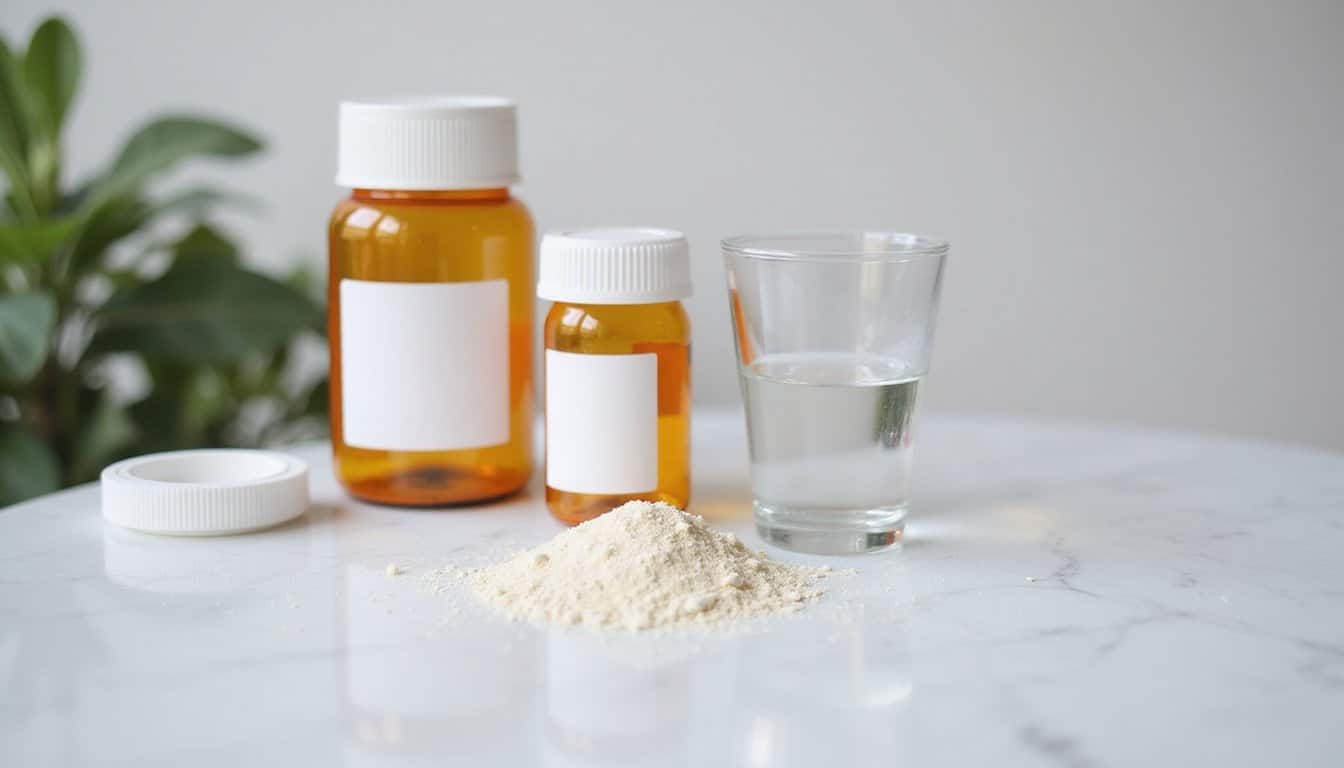
When you take kratom alongside prescription medications, you’re risking potentially fatal drug interactions because kratom’s alkaloids inhibit critical liver enzymes like CYP2D6 and CYP3A, which can dangerously increase the concentration of other drugs in your system. Beyond interaction risks, unregulated kratom products frequently contain heavy metals and harmful bacteria, a 2018 salmonella outbreak traced to kratom brands affected consumers across multiple states. You should also know that chronic kratom use, particularly at doses exceeding 10 grams daily, has been linked to serious hepatotoxicity, though liver damage may reverse if you stop using the substance.
Prescription Medication Conflicts
Because kratom alkaloids like mitragynine inhibit cytochrome P450 enzymes CYP2D6 and CYP3A4, which metabolize over 50% of clinically used drugs, you’re facing serious risks if you combine kratom with prescription medications. These metabolic drug interactions can cause dangerous accumulation of drugs in your system, leading to toxicity.
If you’re taking quetiapine or venlafaxine, kratom can elevate these medications to supratherapeutic levels. Documented cases show this combination triggers serotonin syndrome and cardiac adverse effects, including QTc prolongation. Similarly, combining kratom with modafinil increases your seizure risk.
You must also avoid kratom if you’re on naltrexone, as it can precipitate acute withdrawal. Kratom’s P-glycoprotein inhibition further complicates drug absorption, making dosage predictions unreliable and amplifying danger across multiple medication classes.
Heavy Metal Contamination
FDA laboratory testing of 30 kratom products revealed alarming levels of heavy metal contamination that pose serious health risks to regular users. Lead concentrations reached up to 2,900 ng/g, while nickel levels soared to 29,000 ng/g, far exceeding safe daily exposure limits established by laboratory test standards.
If you’re using kratom regularly, you’re likely accumulating dangerous amounts of these metals in your body. Chronic lead exposure damages your nervous system and kidneys, causes anemia, and increases cancer risk. Nickel exposure contributes to respiratory problems and elevates your risk of lung and nasal cancers.
Because kratom isn’t regulated as a drug, manufacturing quality remains inconsistent and unmonitored. Products don’t have to meet safety standards for elemental impurities. You’re fundamentally consuming unverified substances with potentially toxic contaminants that compound your existing environmental exposure.
Liver Toxicity Risks
Rare but clinically significant cases of acute liver injury have emerged in users who consume kratom powder or tablets regularly, typically developing within one to eight weeks of use. You may experience fatigue, nausea, pruritus, dark urine, and jaundice, with serum bilirubin levels exceeding 20 mg/dL in severe cases. The potential for idiosyncratic liver injury exists because kratom’s active alkaloids undergo extensive hepatic metabolism, placing significant burden on your liver.
Kratom also presents concerning interaction profiles with prescription and over-the-counter medications. When you combine kratom with CNS-active agents like quetiapine or modafinil, you risk altered drug levels and enhanced toxicity. Co-use with other hepatotoxic medications may amplify liver damage. The FDA warns these interactions can result in severe consequences, including liver failure and death.
Regulatory Warnings From Major Health Authorities
Although kratom products remain widely available in retail stores and online marketplaces, major health authorities haven’t approved them for any medical use. The FDA classifies kratom supplements as adulterated due to inadequate safety data and has issued warning letters to companies making unproven treatment claims about pain relief or opioid withdrawal.
| Agency | Key Warning |
|---|---|
| FDA | Classifies kratom as adulterated; links to liver toxicity, seizures |
| DEA | Lists kratom as a drug of concern; evaluating scheduling |
| CDC/NIH | Reports dependency, withdrawal, serious adverse outcomes |
| State Health Depts | Warns against kratom and 7-OH in foods and supplements |
The DEA lists kratom as a “drug and chemical of concern,” citing its opioid-like pharmacology and adulteration concerns throughout the supply chain.
Why Evidence-Based Alternatives Are Safer Choices
Given the regulatory warnings and documented safety concerns surrounding kratom, many individuals seeking pain or stress relief benefit from proven alternatives that don’t carry the same risks. FDA-approved medications like acetaminophen and ibuprofen offer established safety profiles with predictable effects and well-documented dosing guidelines.
Alternative pain treatment options extend beyond pharmaceuticals. Physical therapy addresses root causes through personalized stretching and strengthening programs, providing sustainable relief without dependency concerns. Mind-body techniques including meditation and cognitive behavioral therapy effectively manage mental health impacts that amplify pain perception.
Acupuncture, chiropractic care, and massage therapy deliver drug-free relief validated through clinical practice. These evidence-based approaches eliminate concerns about product contamination, unpredictable potency, and addiction potential that characterize kratom use.
Frequently Asked Questions
Is Kratom Legal to Buy and Possess in My State?
Kratom legality varies by state, so you’ll need to check your specific location. Currently, kratom is fully banned in Alabama, Arkansas, Indiana, Louisiana, Rhode Island, Vermont, and Wisconsin. If you’re elsewhere, it may be legal but regulated, with age restrictions and product standards. Note that regulatory updates pending in many states could change your local laws. Always verify current municipal ordinances too, as local bans exist even in legal states.
How Long Does Kratom Stay Detectable in Drug Tests?
Your kratom detection window depends on the test type. In urine, the kratom detection timeframe ranges from 5, 9 days, while blood tests detect it for 1, 3 days. Saliva testing shows a 24, 36 hour window, and hair tests can reveal use for up to 90 days. Standard drug panels don’t screen for kratom, but specialized testing can identify its alkaloids. Factors like dosage, metabolism, and frequency considerably/substantially/markedly affect your individual detection time.
Can Kratom Use Affect My Employment or Insurance Coverage?
Yes, kratom use can affect your employment and insurance coverage. While standard drug tests don’t detect kratom, employers in safety-sensitive industries may implement specialized testing under their workplace policies. If you test positive and your company prohibits kratom, you could face disciplinary action or termination. Regarding health insurance considerations, insurers may deny claims related to kratom use since the FDA doesn’t recognize it as an approved treatment for any condition.
What Should I Do if Someone Overdoses on Kratom?
Seek immediate medical attention by calling 911 right away if you suspect a kratom overdose. While waiting for help, monitor essential signs closely, including breathing rate and consciousness level. If the person’s unconscious but breathing, place them in the recovery position. Don’t induce vomiting. Watch for warning signs like slowed breathing, seizures, confusion, or hallucinations. Emergency responders may administer naloxone if respiratory depression occurs, as kratom affects opioid receptors.
Are There Support Groups Specifically for People Quitting Kratom?
Yes, you’ll find several support groups specifically for kratom cessation. Kratom Quitters offers daily virtual meetings with 24/7 peer support, while Mountainside Treatment Center hosts clinician-led sessions. Support group formation has expanded through community outreach programs, including Reddit’s nearly 45,000-member recovery community. You can also attend Narcotics Anonymous meetings, which welcome kratom dependence. Given withdrawal’s challenges, you shouldn’t attempt quitting alone, these evidence-based peer support structures considerably improve your recovery outcomes.