




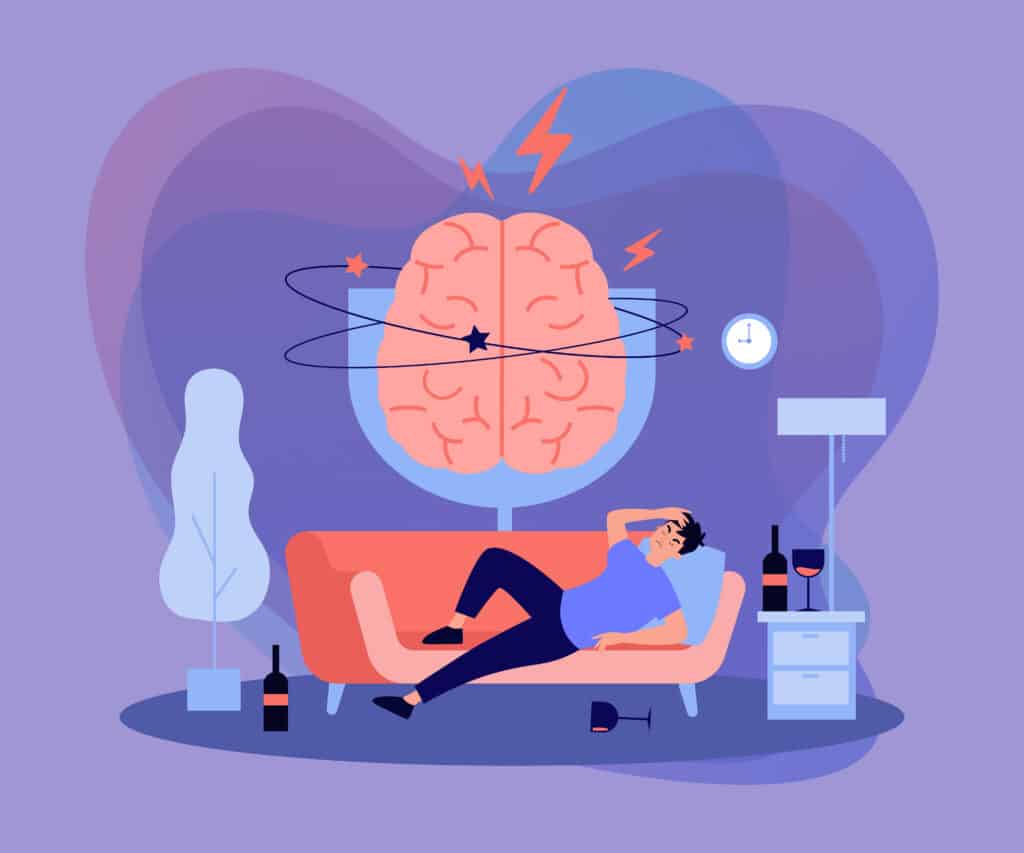





Writing an addiction recovery plan that matches your treatment goals starts with identifying your core problems and translating them into clear objectives. You’ll then create SMART goals, specific, measurable steps like attending support meetings or practicing daily mindfulness. Finally, you’ll build collaborative strategies with your support team and adjust your plan as needs change. This approach turns overwhelming challenges into manageable actions, and the three steps below will show you exactly how.
Identify Your Core Problems and Define Clear Treatment Goals

The path to lasting recovery begins with honest self-assessment. You’ll need to examine your substance use patterns, including what you’re using, how often, and the consequences you’re facing across your relationships, work, health, and finances.
To determine root causes, explore underlying factors like co-occurring mental health conditions, trauma history, or unresolved grief that may fuel your addictive behavior. You must also recognize behavioral triggers, both internal ones like stress, difficult emotions, and cravings, and external ones like certain people, places, or routines. Understanding that recovery is a lifelong endeavor can help you approach this self-assessment with patience and realistic expectations.
Once you’ve identified these core problems, translate them into specific treatment goals. These might include abstinence targets, developing healthier coping skills, improving emotional regulation, repairing relationships, or stabilizing your housing and employment situation. Your treatment plan should also include objectives as measurable steps that help you track progress toward each goal you’ve set. Setting and achieving these goals improves motivation by giving you a sense of accomplishment that reinforces your commitment to recovery.
Create SMART Objectives That Track Your Recovery Progress
Everyone in recovery benefits from transforming broad intentions into concrete action steps, and that’s exactly what the SMART framework helps you accomplish. When you track measurable milestones like 30-day sobriety markers or weekly therapy attendance, you’ll see tangible evidence of your growth. Making progress early in recovery is essential to sustaining motivation and confirming that the right choice was made.
Transform broad recovery intentions into concrete action steps, track measurable milestones and watch your growth unfold.
Your SMART objectives might include:
- Attending three support group meetings weekly for consistent engagement
- Practicing 10 minutes of daily mindfulness meditation to reduce cravings
- Finding a mentor within one month for accountability
- Journaling daily to address psychological barriers and identify triggers
- Exercising 20-30 minutes, three to five times weekly
These specific, time-bound goals eliminate vagueness and create structured pathways forward. You’re not hoping for change, you’re actively building it through deliberate, achievable steps. By setting realistic expectations and anticipating potential setbacks, you can create a plan to get back on track without completely derailing your recovery progress. Achieving these milestones boosts confidence and reinforces your ongoing commitment to the recovery journey.
Build Collaborative Strategies and Adjust Your Plan Over Time

While SMART objectives give you a clear roadmap, lasting recovery rarely happens in isolation, you’ll need a collaborative support network and the flexibility to adjust your plan as circumstances change.
Engage interdisciplinary team members who bring different expertise to your recovery. Research shows combining addiction counselors, peer support specialists, and mental health professionals improves outcomes substantially. Establishing clear communication channels between all team members ensures everyone stays informed about your progress and can respond quickly to emerging needs. This collaborative approach is particularly important because high dropout rates from medication-assisted treatment may occur when psychiatric symptoms aren’t adequately managed alongside addiction care.
| Team Member | Primary Role | How They Help |
|---|---|---|
| Addiction Counselor | Treatment guidance | Develops evidence-based strategies |
| Peer Support Specialist | Lived experience | Increases engagement and retention |
| Care Manager | Coordination | Helps monitor treatment adjustments |
Your recovery plan should function as a living document. Schedule regular reviews with your team to assess progress, identify barriers, and revise goals. Sign off on updates together to reinforce shared accountability. Using node-link mapping techniques during sessions can help you visualize your goals, identify personal strengths, and create practical steps toward achieving your desired treatment outcomes.
Frequently Asked Questions
How Long Does a Typical Addiction Recovery Plan Last?
Your typical addiction recovery duration varies based on your unique needs, but most effective plans span at least 90 days of intensive treatment. Your recovery plan timeline often includes detox (1, 2 weeks), residential or outpatient care (30, 90 days), and ongoing support for 12 months or longer. You’ll find that extending your treatment considerably improves your chances of lasting success. Remember, recovery is a long-term journey, not a quick fix.
Can Recovery Plans Include Medication-Assisted Treatment Options?
Yes, your recovery plan can absolutely include medication-assisted treatment options. MAT combines FDA-approved medications like buprenorphine, methadone, or naltrexone with counseling and behavioral therapies to support your whole-person healing. Your plan will outline medication dosage adjustments as you progress through treatment phases, along with regular medication counseling sessions to address your evolving needs. This evidence-based approach helps reduce cravings, prevent relapse, and gives you the stability to focus on your recovery goals.
What Happens if I Relapse During My Recovery Plan?
If you relapse during your recovery plan, it doesn’t mean you’ve failed. Relapse is a common part of the recovery journey, and it can reveal important insights about your triggers and needs. You’ll work with your support team to make recovery plan adjustments, like increasing counseling or addressing co-occurring conditions. Together, you’ll strengthen your relapse prevention strategies by identifying coping gaps and creating action plans for high-risk situations.
Should Family Members Be Involved in Creating My Recovery Plan?
Yes, family involvement can substantially strengthen your recovery plan structure. When loved ones participate in creating your plan, you’re more likely to engage in treatment, stay committed, and achieve better long-term outcomes. Family members can help identify triggers, reduce enabling behaviors, and provide ongoing support. Their participation also improves communication and rebuilds trust. You don’t have to navigate recovery alone, involving family creates a stronger foundation for lasting change.
How Do Co-Occurring Mental Health Disorders Affect My Recovery Plan?
Co-occurring mental health disorders profoundly shape your recovery plan by requiring integrated treatment that addresses both conditions simultaneously. You’ll benefit from mental health therapy alongside addiction support, as untreated conditions can increase relapse risk. Your plan should include lifestyle changes that support both your mental wellness and sobriety, like stress management, sleep hygiene, and healthy routines. This extensive approach helps you build a stronger foundation for lasting recovery.