







Unlike regular habits that you can consciously modify, addiction fundamentally alters your brain chemistry and neural pathways, leading to compulsive behaviors despite negative consequences. You’ll notice key differences: addiction triggers severe withdrawal symptoms, compromises brain reward systems, and requires medical intervention, while habits remain under voluntary control. Research shows that 19.5% of people with substance use disorders maintain functional lives, challenging common stereotypes. Understanding these distinctions opens vital/essential/pivotal pathways to appropriate treatment and support.
The Science Behind Control and Compulsion

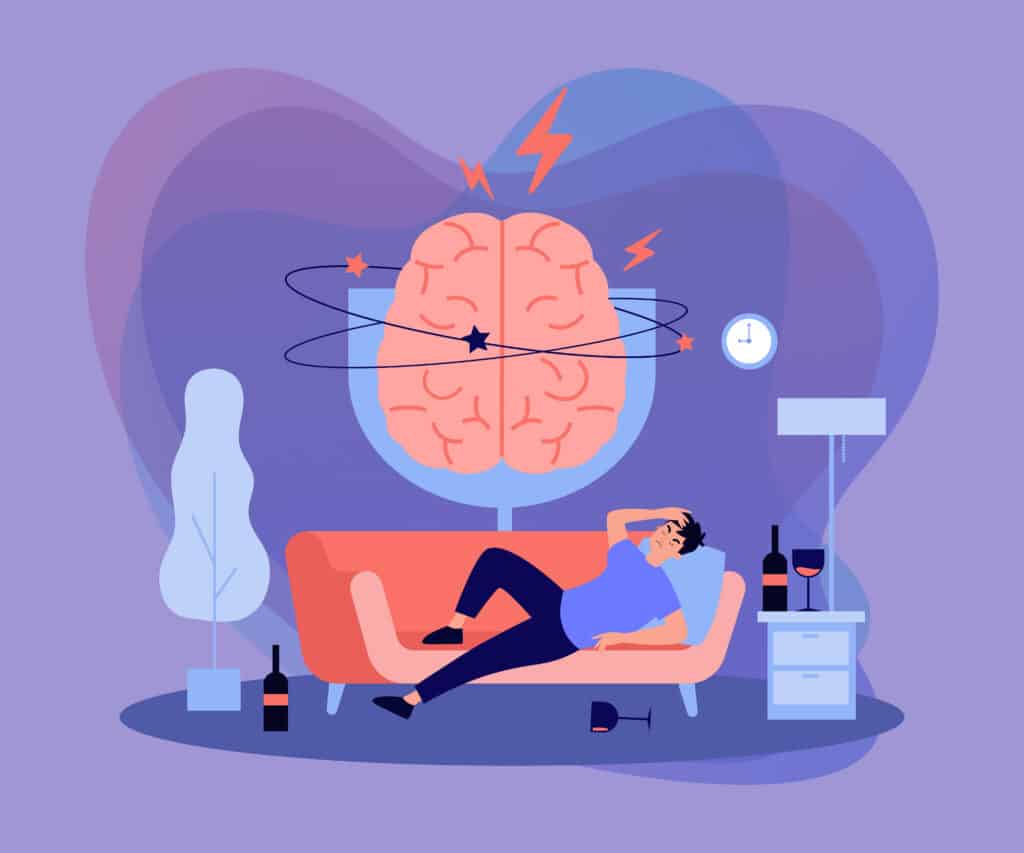
Three key neural circuits form the foundation of how addiction hijacks the brain’s control systems. Your dorsolateral striatum (DLS) drives habitual behaviors, while your prefrontal cortex (PFC) manages goal-directed actions. When these compete, neural plasticity changes can shift control from conscious choice to compulsive habits.
The progression involves subcortical control mechanisms, where dopamine projections between your ventral tegmental area, nucleus accumbens, and substantia nigra form a self-reinforcing loop. As drug exposure continues, your PFC loses its regulatory influence, while GABAergic neurons in the nucleus accumbens fail to properly inhibit dopamine release. Over 20 million Americans struggle with these altered brain mechanisms due to substance use disorder. Unlike compulsive behaviors which provide temporary anxiety relief, addiction persists due to the expectation of pleasure. You’ll notice this shift when drug-seeking persists despite negative consequences a hallmark of the metamorphosis from controlled use to compulsion. This biological process explains why willpower alone often isn’t enough to overcome addiction. The incentive salience of cues becomes increasingly powerful during this process, especially in individuals prone to sign-tracking behavior.
Breaking Down Common Misconceptions
While you might think addiction simply reflects poor choices, medical evidence shows it fundamentally alters brain chemistry and neural pathways in ways that habits do not. Many individuals experience withdrawal symptoms when attempting to break an addiction independently. You’ll notice that social withdrawal and relationship strain in addiction stem from biological compulsions rather than conscious decisions, unlike habits which remain under voluntary control. People struggling with addiction don’t need to hit rock bottom before seeking help and treatment. Up to 19.5% of those battling substance abuse are considered fully functioning individuals with jobs and families. The key distinction lies in control levels – habits can be modified through conscious effort, but addiction requires extensive medical and psychological intervention due to its impact on brain function and behavior regulation.
Misconception Vs Medical Reality
Many common misconceptions blur the line between healthy habits and addiction, leading to confusion about their distinct biological mechanisms and treatment approaches. The medical reality reveals clear neurological differences: habits operate through automatic neural pathways that you can consciously modify, while addiction involves compromised brain reward systems that create emotional dependency and impaired self-control. Loss of autonomy represents a defining characteristic that separates true addiction from mere habits. Getting professional help early leads to better recovery outcomes compared to delaying treatment.
You’ll find that habits don’t trigger the severe withdrawal symptoms or life-threatening health consequences associated with addiction. While you might struggle with breaking a habit like nail-biting, you can overcome it through behavioral strategies without professional intervention. In contrast, addiction’s impact on brain chemistry often requires medical treatment and sustained support. Unlike habits that can be changed through simple tracking and replacement activities, addictive substances play a central role in making addiction more difficult to overcome. Understanding these distinctions helps clarify why treating addiction demands a more extensive, clinically-supervised approach than changing everyday habits.
Social Impact Vs Symptoms
Understanding social impacts and symptoms reveals critical distinctions between addiction and regular habits that society often misinterprets. While you might assume substance use affects all groups substantially, socioeconomic influences create stark disparities in both risk and recovery outcomes. Recent data shows that weekly alcohol use affects 36% of the population, highlighting the prevalence of substance use patterns. Current statistics reveal that heavy drinking was highest among men aged 18-64 at 22.5%, demonstrating significant gender disparities in substance use.
Environmental factors shape these patterns profoundly from poverty increasing addiction vulnerability to higher income correlating with better access to health resources. You’ll notice how unemployment rates of 70-90% among those with severe mental illness compound substance use challenges, while stigma creates barriers to treatment. Viewing addiction as a moral failing behavior rather than a medical condition has historically contributed to destructive societal attitudes.
The data shows this isn’t just about individual choices those in lower income groups face 3-4 times higher risk of poor mental health, directly impacting substance use patterns. These systemic factors demonstrate how social conditions, not just personal habits, drive addiction risks and recovery potential.
Control Levels Matter Most
Social factors tell only part of the addiction story the role of control presents an extremely complex narrative that challenges widespread misconceptions. You’ll find that the dynamics of personal control are tremendously influenced by the impact of social structures, as evidenced by policy effectiveness versus individual willpower. With drug use highest among 18-25 year olds at 39%, targeted interventions are especially critical for young adults. Genetics plays a major role in addiction vulnerability, with inherited factors accounting for 40-60% of addiction risk. The economic toll is staggering, with direct healthcare costs reaching $137 billion annually.
| Control Level | Evidence | Impact |
|---|---|---|
| Individual | Only 46,000 sought help of 964,000 needing it | Limited success |
| Policy | 85% reduction in opioid prescriptions via PDMPs | High effectiveness |
| Medical | 13% annual growth in MAT programs | Proven outcomes |
| Systemic | 50% drop in overdose deaths with dispensing bans | Structural change |
| Prevention | 16% nationwide prescription decline | Policy-driven |
The data clearly shows that structural interventions outperform individual control measures, highlighting the need to shift from willpower-based approaches to evidence-based systemic solutions.
Warning Signs That Cross The Line
The distinction between healthy habits and addiction becomes clear when specific warning signs emerge that indicate a loss of control over behavior. You’ll notice your underlying motivation shifts from enjoyment to compulsion, and accountability challenges become increasingly difficult to manage.
Watch for these vital indicators: repeatedly failing to quit despite sincere attempts, continuing the behavior regardless of serious consequences, and neglecting essential responsibilities to maintain the habit. Physical signs like withdrawal symptoms, building tolerance, and intense cravings can also signal you’ve crossed a concerning threshold.
When you find yourself hiding your actions, experiencing relationship strain, or requiring ever-increasing amounts to achieve the same effect, it’s time to recognize these aren’t merely strong habits they’re warning signs that demand professional attention.
The Role of Brain Chemistry

While behavioral warning signs help identify addiction, brain chemistry reveals the profound biological distinctions between healthy habits and addictive patterns. Your brain’s response to addictive substances differs dramatically from its reaction to normal rewarding behaviors. When you develop healthy habits, your brain maintains balanced dopamine release, but addictive substances hijack your reward system dysfunction, flooding neural pathways with excessive dopamine.
This neurotransmitter imbalance leads to lasting changes in your brain structure and function. You’ll experience diminished pleasure from natural rewards, heightened sensitivity to environmental triggers, and weakened impulse control. Unlike habits that maintain neural flexibility, addiction restructures your brain pathways, making you physically dependent on the substance. These biological changes explain why breaking free from addiction typically requires professional intervention, while habits can be modified through behavioral strategies.
Social Impact and Relationship Changes
When you’re struggling with addiction, you’ll notice a marked shift in your social connections as relationships either fracture under the strain or strengthen through recovery support.
Your brain’s reward system becomes increasingly focused on substance use rather than natural social bonds, leading to progressive isolation from family, friends, and community networks.
Understanding these relationship changes helps you recognize how addiction alters social patterns, while healthy connections prove essential for sustained recovery.
Breaking Bonds Vs Strengthening
Understanding how addiction fractures social bonds while healthy habits strengthen them reveals a stark contrast in relationship outcomes. You’ll find that substance use directly undermines trust networks, with economic burdens costing Canadian families $40B annually and unemployment rates reaching 90% among those severely affected. This creates a cycle of isolation and broken connections.
Building trust through bonds becomes possible when you recognize how gender-specific dynamics and social determinants impact recovery. You’re more likely to strengthen relationships through recovery when addressing underlying factors like poverty, homelessness, and inequitable healthcare access. The data shows that while 73% report “good” mental health despite substance use, this perception often masks the reality of deteriorating social connections. Breaking these myths helps establish authentic, sustainable relationships.
Isolation Patterns During Decline
Despite common perceptions of addiction as purely chemical dependence, isolation emerges as both a catalyst and consequence of substance use disorders. Your social integration strategies become compromised as substance use progresses, creating a destructive cycle that’s difficult to break without community-based support systems.
Key patterns of social withdrawal during addiction include:
- Progressive disengagement from family and friends, often driven by shame and secrecy
- Replacement of healthy relationships with substance-focused connections
- Decreased participation in work, education, and community activities
- Heightened vulnerability to relapse due to weakened support networks
This isolation cycle particularly affects opioid users, who experience higher rates of social marginalization and unstable relationships. Understanding these patterns helps identify intervention points where social reintegration can support recovery efforts.
Treatment Approaches and Recovery Paths

Although addiction treatment outcomes vary noticeably across different modalities, current evidence shows promising success rates for several therapeutic approaches. You’ll find that dual pronged recovery strategies combining medication-assisted treatment (MAT) with behavioral therapies achieve higher success rates than standalone interventions. Personalized treatment plans must consider your specific substance use patterns and recovery goals.
| Treatment Type | Success Rate | Best For |
|---|---|---|
| MAT + Therapy | 41-68% | Opioids/Alcohol |
| Outpatient | 36-45% | Cannabis/Alcohol |
| 12-Step Programs | 5-8% | Community Support |
Evidence demonstrates that intensive outpatient programs effectively treat alcohol and marijuana dependencies, while MAT shows particular promise for opioid recovery. Though traditional 12-step programs show limited efficacy, they can complement evidence-based treatments as part of an extensive recovery strategy.
Understanding Behavioral Triggers
Three distinct categories of behavioral triggers can spark substance cravings: internal emotional states, external environmental cues, and social situations. Understanding these triggers allows you to develop mindfulness strategies and environmental design solutions for maintaining recovery.
Recognizing emotional, environmental, and social triggers empowers us to build effective strategies for maintaining sobriety and long-term recovery success.
Key aspects of trigger management include:
- Neural pathways formed during substance use create automatic associations between specific cues and cravings
- Your brain’s response to triggers often bypasses logical reasoning, leading to impulsive reactions
- Environmental design modifications can help reduce exposure to high-risk situations
- Thought records and proactive planning strengthen your ability to recognize and navigate triggers
While triggers don’t guarantee relapse, they require ongoing vigilance. Like managing other chronic conditions, you’ll need consistent application of coping strategies and professional support to maintain long-term recovery success.
The Impact on Physical and Mental Health
Understanding behavioral triggers leads naturally to examining their broader health implications. The effects of habits versus addictions create distinctly different impacts on your physical and mental wellbeing. While nutrition quality and exercise intensity can positively shape health when balanced, they can trigger harmful patterns when taken to extremes.
| Aspect | Healthy Habits | Addiction |
|---|---|---|
| Physical Impact | Strengthens body systems | Damages organ function |
| Mental State | Bolsters emotional stability | Causes psychological distress |
| Recovery Need | Self-manageable changes | Professional intervention |
| Duration | Sustainable long-term | Progressively worsening |
| Control Level | Maintained autonomy | Loss of personal agency |
Your daily choices create cumulative effects healthy habits build resilience while addictive behaviors progressively deteriorate both physical and psychological functioning. Understanding these distinctions helps identify when behavioral patterns require professional intervention versus self-directed modification.
Frequently Asked Questions
Can Someone Be Addicted to Healthy Habits Like Exercise or Meditation?
Yes, you can develop addictive tendencies to seemingly healthy activities like exercise or meditation. While these habits are generally beneficial, they can transform into compulsive behavior when they begin to control your life, cause distress when missed, or lead to physical/social harm.
You’ll notice warning signs like exercising through injuries, experiencing withdrawal symptoms, or letting meditation interfere with work and relationships. Professional help is available if you’re struggling with these patterns.
Do Cultural Differences Affect How Addiction and Habits Are Defined?
Yes, your cultural background profoundly shapes how you perceive and define addiction. Cultural stigmas associated with addiction vary widely what’s considered problematic in one society may be normalized in another.
Economic factors influencing habit formation also play a key role, as societies with different resources and stressors develop distinct interpretations of addictive behaviors. You’ll find that treatment approaches must adapt to these cultural differences for effective intervention.
What Role Does Childhood Trauma Play in Developing Habits Versus Addictions?
Childhood trauma greatly impacts your developmental trajectory, with profound effects on emotional regulation that can lead to distinct outcomes in habits versus addictions.
While you might develop habits as conscious coping strategies, trauma can rewire your brain’s stress-response systems, making you more vulnerable to genuine addictions.
You’ll often find that trauma-related addictions involve a loss of control and compulsive behaviors, whereas habits maintain some level of conscious choice and flexibility.
How Do Seasonal Changes Impact Habit Formation Compared to Addiction Patterns?
You’ll notice that seasonal climate variations affect your habits and addictions differently. During winter months, your habit formation becomes more challenging due to reduced serotonin and disrupted circadian rhythms, requiring conscious daily routine adjustments.
However, your addictive patterns tend to remain more rigid and resistant to seasonal changes, as they’re driven by compulsive neurological pathways rather than environmental cues.
Spring’s increased daylight typically supports habit building while having minimal impact on addiction patterns.
Can Personality Types Predict Whether Someone Develops Habits or Addictions?
While your personality traits can influence your biological predisposition to addiction, they’re not definitive predictors. Research shows that traits like impulsivity and neuroticism may increase your vulnerability, but environmental influences play a pivotal role.
You’ll find that the same personality characteristics might lead to positive habits in supportive environments but addiction risks in stressful ones. It’s the interaction between your traits and circumstances that shapes outcomes.