




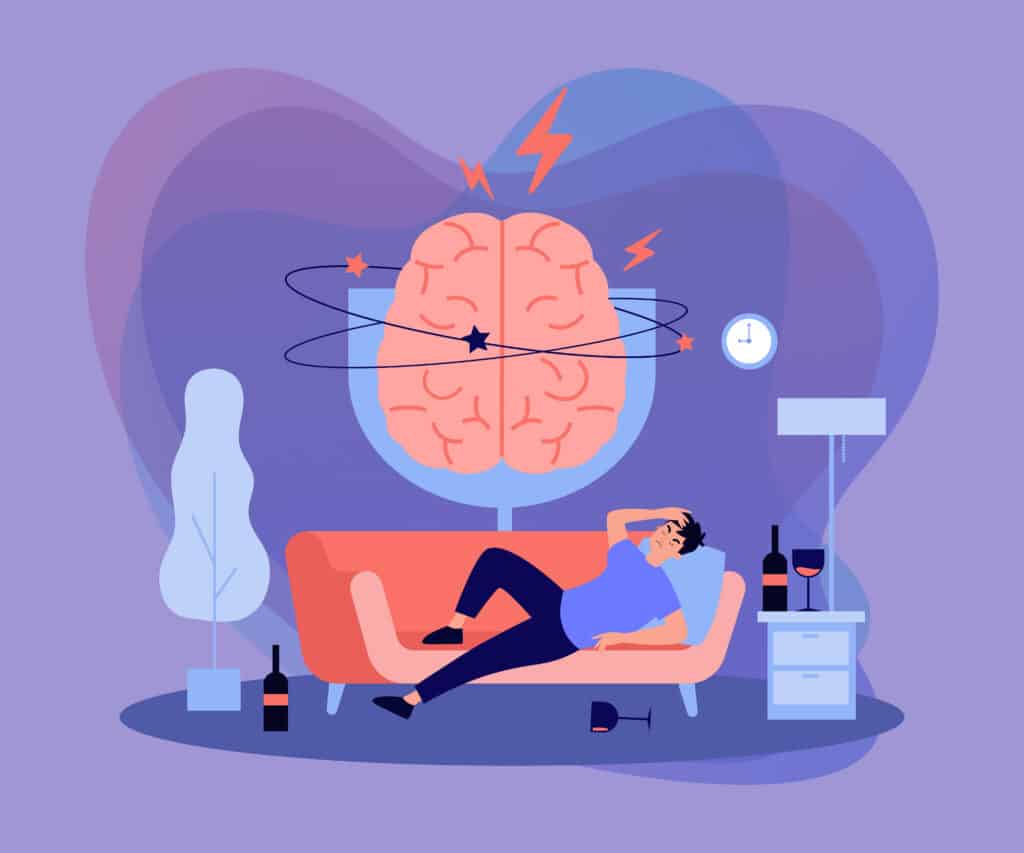





Regular exercise and proper nutrition can create positive behavioral patterns by triggering beneficial changes in your brain chemistry. When you engage in healthy habits consistently, your body releases dopamine and endorphins that strengthen reward pathways, similar to addiction but in a constructive way. You’ll experience improved mood, reduced anxiety, and amplified cognitive function through these natural rewards. Scientific evidence shows that mindful tracking and social support help establish these sustainable lifestyle changes that reshape your brain’s reward system for lasting wellness.
The Science Behind Exercise as a Recovery Tool

While many athletes focus primarily on their main workouts, the science of exercise-based recovery reveals its pivotal role in optimizing performance and preventing injury. Your body’s metabolic regulation during active recovery accelerates the clearance of lactic acid and other metabolic waste products through augmented blood circulation. Parasympathetic dominance during proper recovery periods allows your nervous system to facilitate crucial repair processes.
These biological adaptations occur more effectively during light movement compared to complete rest. You’ll experience faster returns to homeostasis when you engage in low-intensity activities like walking or swimming, which maintain indispensable blood flow without overtaxing your muscles. Dynamic stretching is particularly beneficial as it prepares muscles for activity while increasing blood flow. A well-planned active recovery routine should keep intensity at fifty percent effort to ensure optimal benefits.
Research shows that active recovery strategies promote superior outcomes by sustaining muscle flexibility and preventing stiffness, though it’s imperative to avoid exceeding low-intensity thresholds. The key is balancing controlled movement with adequate rest to optimize your body’s natural recovery processes.
Breaking Down Neurochemical Benefits of Healthy Habits
Your brain releases dopamine when you engage in healthy behaviors like exercise and proper nutrition, similar to how it responds to addictive substances but with sustainable, long-term benefits.
The neurochemical rewards from consistent exercise can strengthen positive neural pathways while weakening maladaptive circuits associated with substance cravings. Regular exercise has been shown to provide protective effects during recovery from substance use disorders. These natural dopamine releases help optimize your brain’s reward system, creating lasting adaptations that support recovery and boost overall well-being. Structural plasticity enables the brain to physically adapt and form new connections as you develop healthier habits. Through experience-dependent learning, the brain can establish new reward associations with healthy activities that promote positive behavioral changes.
Dopamine From Natural Rewards
Understanding how natural rewards influence dopamine production provides crucial insights into optimizing neurochemical health through lifestyle choices. You’ll enhance dopamine homeostasis through strategic combinations of exercise, nutrition, and mindful engagement. Since dopamine helps regulate heart rate and sleep, maintaining healthy levels supports overall cardiovascular wellness and rest quality.
Running programs and cross-training amplify receptor density, while tyrosine-rich foods like almonds and eggs support synthesis pathways. These activities provide sustainable dopamine release unlike artificial stimuli that disrupt the system’s balance. Adding mindful daily tracking of your activities helps identify and prevent potential compulsive behaviors.
Your cognitive flexibility improves when you pair these activities with nature exposure and adequate sleep. Practice mindful meditation and savor pleasurable experiences without digital distractions to amplify natural dopamine release. Controlled hormetic stressors, like cold showers or intermittent fasting, create resilience in dopamine signaling.
Remember to avoid excessive pleasure combinations that could lead to tolerance. Instead, focus on balanced approaches incorporating exercise, nutrition, and environmental factors to maintain ideal dopamine function.
Brain Chemistry During Exercise
Physical exercise triggers a cascade of beneficial neurochemical changes that fundamentally reshape brain function and structure. When you engage in sustained movement, your brain increases endorphin production while boosting blood flow and nutrient delivery through improved brain vascularization. These adaptations directly support cognitive function and emotional resilience. This natural process acts as meditation in motion, allowing your mind to find calm and clarity through physical activity. Active individuals demonstrate lower anxiety rates compared to those who remain sedentary. Consistent exercise leads to a healthier reward system remodeling that increases dopamine receptor availability.
| Chemical Change | Brain Benefit |
|---|---|
| Beta-endorphins | Pain reduction & mood elevation |
| Norepinephrine | Enhanced stress management |
| Serotonin | Improved emotional stability |
| Growth factors | Increased neurogenesis |
The neurochemical benefits extend beyond immediate mood enhancement. You’ll experience improved memory through hippocampal growth, better stress regulation via enhanced norepinephrine signaling, and reduced inflammation throughout your brain tissue. These changes create lasting improvements in cognitive function while protecting against age-related decline and supporting recovery from substance-related brain changes.
Building Sustainable Fitness Routines for Mental Wellness

Your ability to build lasting mental wellness through fitness starts with understanding that mindful, moderate activities yield powerful benefits without requiring intense workouts.
You’ll achieve better results by creating structured routines that fit naturally into your schedule, such as short walks during breaks or quick home-based exercises that lower access barriers. The combination of healthy eating patterns and regular physical activity shows the strongest correlation with improved mental wellbeing. Incorporating workouts in green spaces can significantly boost both physical activity levels and mental well-being.
When you pair these manageable movements with consistent tracking and social support, you’re more likely to maintain the 2.5-5 hours of weekly activity needed for mental health benefits. Regular exercise can help manage symptoms of depression and anxiety through the release of mood-regulating neurotransmitters.
Mindful Movement Matters Most
Three powerful practices yoga, tai chi, and mindful walking have emerged as cornerstones of the $29.1 billion mindful movement industry, representing a paradigm shift in how we approach fitness and mental wellness. You’ll experience greatly improved emotional resilience benefits and neurological calming effects without requiring intense physical exertion or expensive equipment.
| Practice | Mental Benefits | Implementation |
|---|---|---|
| Yoga | Reduces anxiety | 10-min daily sessions |
| Tai Chi | Lowers depression | Outdoor practice |
| Mindful Walking | Decreases stress | During commute |
| Any Movement | Amplifies focus | Throughout day |
Research confirms that synchronizing your breath with movement profoundly reduces mental chatter while fostering present-moment awareness. You don’t need high-intensity workouts even light physical activity combined with mindfulness techniques can yield measurable improvements in your psychological well-being, making these practices sustainable for long-term behavioral change.
Structure Builds Mental Strength
Establishing consistent fitness routines delivers profound neurological and psychological benefits that extend far beyond physical health. When you commit to daily ritual consistency within a structured accountability framework, you’re actively rewiring your brain’s response to stress while building mental resilience. Research shows that sustained exercise habits strengthen self-regulation pathways and reduce dependence on negative coping mechanisms.
Regular physical activity increases endorphin production and decreases cortisol levels, naturally elevating mood and reducing anxiety.
Structured exercise schedules amplify cognitive function, improving memory, attention, and processing speed.
Group fitness activities create social support systems that reinforce commitment and augment adherence to healthy routines.
These neurological adaptations, combined with measurable progress markers, create a self-reinforcing cycle of positive behavioral change and improved mental wellness.
Nourishing Body and Mind Through Strategic Nutrition
While traditional nutrition advice focused on individual nutrients, modern research reveals that strategic nutrition requires a holistic approach considering dietary patterns, timing, and personalization. You’ll benefit most from understanding how food combinations work synergistically rather than focusing on isolated nutrients.
Your nutrition needs change throughout life stages, with epigenetic diet interactions influencing how your genes express themselves. Research shows that personalized dietary recommendations, customized to your unique profile and life stage, deliver superior outcomes compared to one-size-fits-all approaches. You’ll need different strategies during key developmental periods, from pregnancy through aging.
Through advanced assessment tools and AI-driven tracking, you can now receive precise guidance on optimizing your nutrient timing and food combinations. This evidence-based approach helps create sustainable, health-promoting eating patterns that serve both body and mind.
Creating Supportive Communities Through Active Lifestyles

Building supportive fitness communities extends beyond individual nutrition choices to create lasting behavioral change. Through cultural immersion and infrastructure development, you’ll find that community-based programs remarkably amplify participation, especially in underserved areas. Research shows that when fitness initiatives are culturally tailored and accessible, engagement rates climb substantially.
Join free fitness classes in public parks or community centers, where programs show measurable improvements in cardiovascular health. Participate in culturally adapted exercise programs that preserve heritage while building social connections. Connect with neighborhood fitness initiatives that offer childcare services and reduced-cost options.
Data validates these community approaches, with studies demonstrating that socially cohesive fitness groups improve both physical and mental health outcomes. You’ll uncover that when infrastructure barriers are removed, sustainable lifestyle changes become more achievable for everyone.
Measuring Progress Beyond Physical Transformations
Progress measurement in fitness extends far beyond the bathroom scale, encompassing multiple dimensions of physical and mental transformation. From a holistic health perspective, you’ll gain more insight by tracking functional capacity improvements, such as increased endurance during daily activities and faster recovery between workouts.
Your lifestyle modifications should incorporate non-scale metrics like body measurements, progress photos, and strength benchmarks to provide an extensive view of your development. Instead of relying on potentially misleading indicators like BMI or daily weigh-ins, focus on meaningful health biomarkers including blood pressure, cholesterol profiles, and sleep quality.
You’ll want to combine multiple data streams while maintaining consistent tracking habits, remembering that sustainable progress often manifests gradually through improved energy levels, reduced anxiety, and augmented daily functioning.
Frequently Asked Questions
How Long Does It Take for Exercise to Become a Positive Addiction?
You’ll typically need 8-12 weeks of maintaining a consistent exercise routine to develop positive exercise patterns. During this time, your brain forms neural pathways that reinforce the behavior.
For the habit to become a healthy “addiction,” you’ll need to pair it with balanced nutrition habits and guarantee you’re exercising for intrinsic rewards rather than compulsion. The key is maintaining control while experiencing psychological benefits without guilt or social interference.
Can Extreme Fitness Routines Trigger Similar Addictive Patterns as Substances?
Yes, extreme fitness routines can trigger addictive patterns similar to substance addiction through shared neurological pathways. You’ll notice changes in dopamine regulation and reward systems, comparable to drug dependencies.
While moderate exercise offers mental health benefits, excessive routines can disrupt your psychological well-being, leading to compulsive behaviors, guilt when missing workouts, and continued exercise despite injury. Focus on fitness routine sustainability to maintain healthy exercise habits without crossing into addiction territory.
What Role Does Genetics Play in Developing Positive Fitness Addictions?
Your hereditary predisposition plays a significant role in how you respond to fitness activities, with genetics accounting for up to 69% of exercise behavior patterns.
Gene expression dynamics, particularly in FOXN3 variants, can influence your tendency to develop exercise-focused behaviors. If you carry specific genetic markers, you’re more likely to experience intense reward responses to physical activity, though environmental factors still modify how these genetic predispositions manifest in your fitness routines.
Are Certain Personality Types More Prone to Positive Addiction Through Exercise?
You’re more likely to develop positive exercise habits if your personality aligns with high conscientiousness and self-directedness. These traits support psychological needs satisfaction through structured goal achievement.
If you’re intrinsically motivated by personal growth rather than external validation, you’ll form healthier exercise patterns. However, watch for perfectionist tendencies they can transform beneficial routines into compulsive behaviors. Balance and self-awareness remain essential for maintaining positive engagement.
How Do Positive Fitness Addictions Differ Between Men and Women?
When examining gender-based workout preferences, you’ll find distinct patterns between men and women. Men often focus on strength and muscle-building activities, while women tend to engage more in cardio and flexibility exercises.
Differences in exercise motivations also emerge: men typically exercise for performance and physical achievement, while women more commonly cite body image and stress management. However, both genders can develop positive exercise habits when focusing on health-oriented rather than appearance-based goals.