






Warning signs of Feel Free addiction include escalating consumption from occasional use to multiple bottles daily, intense cravings when you can’t access the drink, and failed attempts to cut back despite genuine motivation. You’ll notice physical symptoms like muscle aches, sweating, and gastrointestinal disturbances between doses. Cognitive changes, strained relationships, and hiding your habit from others also signal dependence. Understanding each warning sign can help you determine whether it’s time to seek support.
Escalating Consumption Patterns and Intensifying Cravings
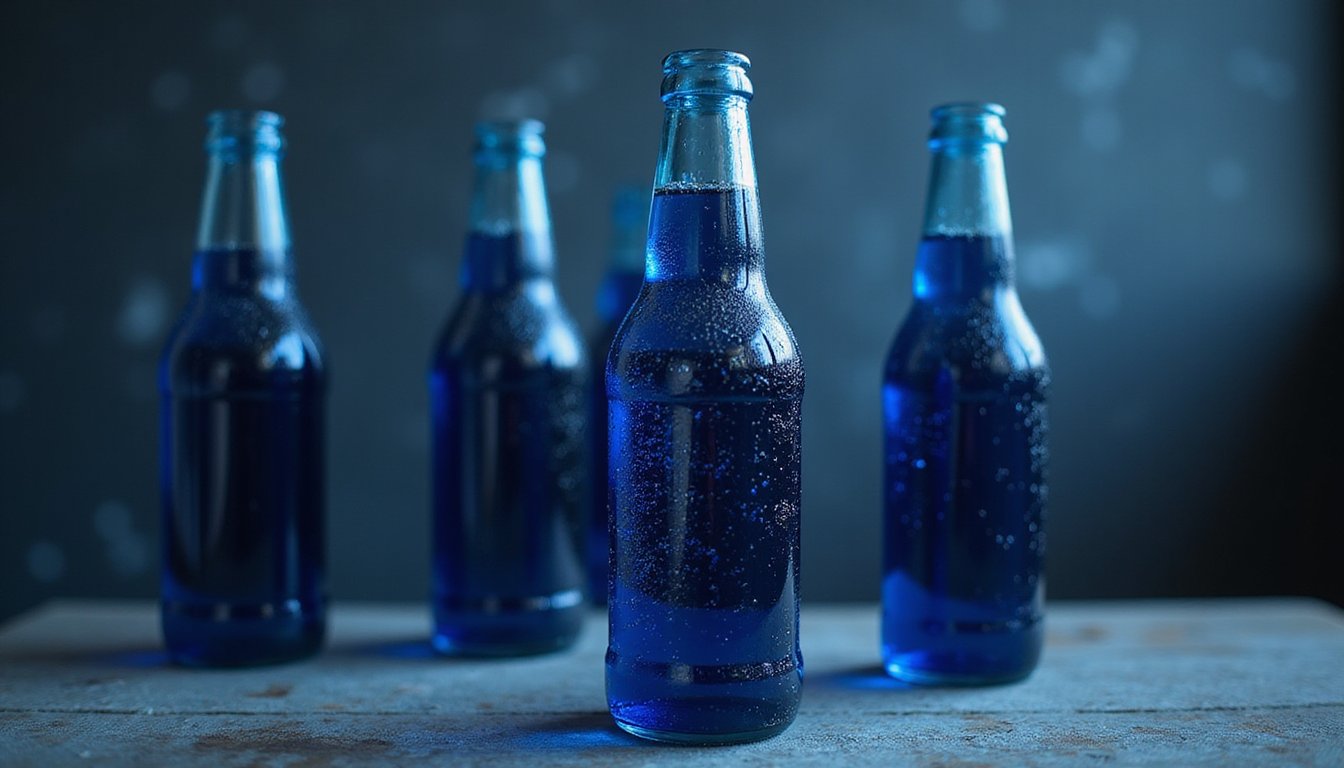
When does casual use cross the line into addiction? You’ll notice your consumption increasing from occasional use to multiple bottles daily. Your body adapts to kratom’s action on mu-opioid receptors, requiring larger quantities to achieve the same effects. This tolerance development signals physical dependence.
Cravings intensify when you can’t access Feel Free, particularly during stress or fatigue. Your brain associates the drink with relief, reinforcing compulsive patterns. These cravings persist even after abstinence periods. The drink’s dual-action mechanism affecting both opioid receptors and GABA systems makes these cravings particularly powerful compared to single-ingredient supplements.
As consumption escalates, you risk cognitive impairment and nutritional deficiencies from prioritizing the drink over proper self-care. You may find yourself consuming Feel Free first thing in the morning or building rituals around its use. Some users have reported spending hundreds of dollars daily to maintain their habit as their tolerance increased. Many users don’t realize they have a problem until attempting to quit and experiencing withdrawal symptoms. Recognizing these patterns early allows you to seek appropriate intervention before dependence deepens.
Failed Attempts to Cut Back or Stop Drinking Feel Free
The shift from escalating consumption to failed quit attempts marks a critical progression in Feel Free dependence. You may set firm quit dates only to abandon them when withdrawal symptoms emerge or stressors arise. This inability to abstain despite genuine motivation signals compromised control over your use.
Withdrawal symptoms, insomnia, irritability, anxiety, muscle aches often drive you back to Feel Free for relief. You might experience repeated relapse during the first few days when symptoms peak, creating frustrating cycles of brief abstinence followed by return to previous intake levels. These uncomfortable symptoms are temporary but intense, typically subsiding within a few days to a couple of weeks if you can push through.
Even when you recognize harm to your finances, mood stability, or daily functioning, you continue drinking Feel Free. Short periods without the drink collapse into full relapse patterns, particularly when you attempt to “just have one.” The kratom in Feel Free affects the same brain receptors as opioids, which helps explain why breaking free from dependence can be so challenging.
Physical Signs Your Body Has Become Dependent

Because Feel Free contains kratom, a plant with opioid-like activity, your body can develop physical dependence even when you don’t recognize the psychological grip the drink has on you. Physical dependence manifests through measurable symptoms that indicate your nervous system has adapted to regular consumption. Kratom binds to the same brain receptors as opioids, which explains why withdrawal symptoms can be so severe.
Your body can develop physical dependence on Feel Free even before you recognize the psychological grip it has on you.
Common physical signs include:
- Withdrawal symptoms such as muscle aches, sweating, chills, and flu-like fatigue when you skip doses
- Gastrointestinal disturbances including nausea, constipation, or cramping that correlate with changes in intake
- Autonomic dysregulation presenting as tremors, restlessness, or temperature fluctuations
- Tolerance development requiring increased amounts to achieve previous effects
Chronic use carries organ damage risks, particularly liver toxicity from kava components. You may also experience increased infection susceptibility as prolonged use potentially compromises immune function. These signs warrant professional medical evaluation.
Withdrawal Symptoms Between Doses
When your body becomes dependent on Feel Free, you’ll notice physical discomfort like headaches, nausea, and muscle aches returning within hours of your last dose. Anxiety typically spikes as the tonic’s adaptogenic effects wear off, leaving you feeling increasingly irritable and on edge. You may also experience significant sleep disruptions, including insomnia and restlessness, that make it difficult to function normally between doses. These withdrawal symptoms can resemble mild opioid withdrawal due to the kratom content in the drink.
Physical Discomfort Returns Quickly
Withdrawal symptoms that appear within hours of your last Feel Free dose signal short-interval physical dependence has developed. This acute discomfort typically manifests as flu-like symptoms that disrupt your daily functioning and may contribute to irregular meal timing as nausea and abdominal cramps interfere with appetite.
Common physical symptoms you may experience include:
- Headaches and muscle aches that intensify as time passes since your last dose
- Chills, sweating, and temperature dysregulation
- Abdominal cramps and gastrointestinal distress
- Fatigue and physical sluggishness that contrast sharply with post-dose energy
When these symptoms resolve rapidly after re-dosing, you’re experiencing negative reinforcement; your body now requires the drink to feel baseline normal rather than enhanced. This pattern indicates physiological dependence has established itself.
Anxiety Spikes Without Doses
Although physical symptoms often dominate early withdrawal experiences, anxiety that surges between doses represents one of the most distressing signs of Feel Free dependence. You may notice a predictable pattern: calm after dosing, followed by escalating tension, nervousness, and inner restlessness as the next dose approaches.
This interdose anxiety often exceeds your baseline anxiety before you started using Feel Free. Over time, the relief window shortens, and you find yourself needing doses closer together. Panic-like episodes may emerge during late dosing intervals, accompanied by mood instability and irritability disproportionate to actual stressors. These symptoms occur because decreased GABAergic response develops with continued use, leaving your nervous system increasingly sensitized between doses. This rebound pattern typically leads to dose escalation, which provides only temporary relief before the cycle repeats.
You might experience an inability to cope with normal daily stress without redosing. Physical signs like sweating, tremor, and heart palpitations frequently accompany these anxiety spikes, indicating physiological dependence has developed.
Sleep Disruptions and Restlessness
Beyond the anxiety spikes that emerge between doses, sleep disruptions often become another hallmark of Feel Free dependence. As kratom’s effects wear off, your nervous system enters a hyperaroused state that directly impacts your quality of sleep. You may notice difficulty falling asleep, frequent nighttime awakenings, or early-morning waking when doses are skipped.
Common sleep-related warning signs include:
- Lying awake with a racing mind despite physical exhaustion
- Increased restlessness, pacing, or fidgeting during evening hours
- Fragmented sleep that leaves you fatigued the next day
- Insomnia that worsens on nights without the drink
These disruptions often trigger mood disruptions, including irritability and cognitive fog. Withdrawal-related sleep problems can persist for weeks, and their presence between doses suggests your body has developed physical dependence on Feel Free’s active compounds.
Emotional and Cognitive Changes Linked to Regular Use
When you consume Feel Free regularly, your brain’s cholinergic interneurons in the striatum begin functioning abnormally, disrupting the burst-pause firing patterns essential for learning and adaptability. This disruption shortens and weakens the critical pause phases that enable reversal learning, your ability to unlearn behaviors when circumstances change. The result is cognitive inflexibility that affects daily decision-making.
You may notice difficulty adapting to new situations or abandoning strategies that no longer work. Your acetylcholine signaling becomes compromised, weakening decision-related neural signals and slowing your response to changing demands. These cholinergic interneurons normally act as gatekeepers in the striatum, influencing reward-driven learning and motivation that guide your everyday choices.
With continued use, structural brain changes emerge. Research shows decreased prefrontal cortex cell density and volume reductions in both white and grey matter. These changes correlate with impaired episodic memory and executive function, creating measurable cognitive decline that persists even during periods of abstinence. Studies demonstrate that these neural deficits may contribute to high relapse rates even after extended periods of rehabilitation and withdrawal. Additionally, research reveals increased microglial activation in affected brain regions, indicating neuroinflammation that contributes to ongoing neurodegeneration.
Social Relationships and Work Performance Suffering

Your professional life often reveals addiction’s grip before other areas show visible damage. Research shows workers with alcohol problems experience considerably higher injury rates, increased absenteeism, and work performance up to 39% less effective when impaired.
Watch for these workplace warning signs:
- Unpredictable attendance patterns, including frequent tardiness, early departures, and unscheduled absences
- Increased errors and missed deadlines leading to disciplinary action
- Worsening interpersonal conflicts with colleagues due to irritability and poor judgment
- Declining team morale as coworkers cover your missed responsibilities
Beyond individual performance, substance dependence strains professional relationships. Colleagues lose trust when they consistently compensate for your absences or correct your mistakes. Studies indicate problem drinkers face heightened unemployment risk and reduced re-employment chances. Research using Cox Proportional Hazard Models found that problem drinking was associated with a lower probability of returning to work from unemployment. The economic toll extends beyond individuals, with alcohol-related absenteeism and presenteeism contributing to £7.3 billion in annual productivity losses across the workforce. Alarmingly, only half of workers have access to substance use support services at their workplace, making early intervention more difficult. These patterns signal dependence has begun affecting your occupational functioning.
Hiding Your Habit and Becoming Defensive About Use
Workplace struggles often become visible to others, but many people with substance dependence simultaneously develop sophisticated methods to conceal their use from loved ones and colleagues. You might find yourself stashing Feel Free drinks in multiple locations, drinking alone at odd hours, or creating cover stories to explain your absences.
When confronted, you may notice protective behaviors emerging automatically. These include immediate irritability when someone mentions your consumption, quick denial despite clear evidence, or shifting blame onto stress and external circumstances. Constant rationalizations help reduce cognitive dissonance, you tell yourself the drink is necessary for relaxation or that your use remains controlled. This self-justification serves the purpose of protecting self-image and reducing feelings of guilt or anxiety about your consumption patterns.
If you’re guarding your phone, becoming vague about your schedule, or cutting off conversations when questions arise, these defensive patterns indicate deepening dependence requiring honest self-assessment.
Risky Behaviors and Ignoring Health Consequences
When you drink and drive, ignore medical advice about your health, or mix Feel Free with other substances like alcohol or medications, you’re engaging in risky behaviors that signal a serious problem. These actions show that your use has progressed beyond casual consumption to a point where you’re willing to compromise your safety and well-being. Recognizing these patterns is essential because they often indicate dependence has developed, even if you haven’t acknowledged it yet.
Drinking While Driving
Although Feel Free contains kratom and other active compounds that can impair judgment and motor coordination, some users minimize these effects and drive after consuming the beverage, a pattern that signals escalating risk tolerance often associated with developing dependence. Choosing to drive when impaired, despite available alternatives, reflects compromised risk-reward judgment characteristic of substance use disorders.
Watch for these warning signs:
- You’ve driven after consuming Feel Free more than once, rationalizing that you “felt fine”
- You’ve received citations or faced legal consequences related to impaired driving
- You continue driving after use despite social stigma or concerns from others
- You combine Feel Free with other impairing substances before getting behind the wheel
These behaviors indicate prioritizing substance use over safety, a clinical red flag for dependence.
Ignoring Medical Warnings
How often do you dismiss your doctor’s concerns about Feel Free consumption as overly cautious or irrelevant to your situation? When you continue drinking despite heightened liver enzymes (ALT, AST, GGT) or diagnoses like fatty liver disease, you’re disregarding long-term health impacts that predict cirrhosis progression.
Dismissing need for medical treatment becomes evident when you skip follow-up appointments, refuse blood tests, or minimize professional warnings about daily consumption risks. This pattern correlates with delayed intervention and worse outcomes.
If you’re overlooking connections between your intake and abnormal test results, hypertension, or pancreatitis symptoms, you’ve prioritized the drink over documented health consequences. Research links sustained alcohol-type consumption to cancer, cardiovascular disease, and liver failure. Ignoring these warnings despite clear medical evidence signals loss of control over your drinking behavior.
Mixing With Other Substances
Are you combining Feel Free with alcohol, opioids, sedatives, or stimulants to enhance effects or manage competing symptoms? This poly drug interactions pattern greatly elevates your health risks and signals problematic use.
Dosage considerations become critical when stacking substances, as each combination compounds danger:
- Alcohol amplifies liver toxicity and central nervous system depression, impairing coordination and judgment while masking escalating tolerance.
- Opioids add to total opioid load through kratom’s mu-receptor activity, heightening overdose and respiratory depression risk.
- Benzodiazepines and sedatives produce additive CNS depression, increasing fall risk, memory gaps, and breathing impairment during sleep.
- Stimulants create cardiovascular strain and unpredictable effects as opposing substances compete in your system.
Mixing Feel Free with other substances undermines harm-reduction intentions and accelerates addiction progression.
Frequently Asked Questions
Can Feel Free Drink Addiction Develop After Only a Few Weeks of Use?
Yes, you can develop addiction to Feel Free drink after only a few weeks of regular use. The kratom and kava components act on opioid and GABA systems, which produce dependence faster than many substances. Even with moderate consumption patterns, your brain’s reward pathways adapt quickly, leading to tolerance and cravings. Understanding these long term health effects helps you recognize early warning signs before physical dependence fully establishes itself.
Is Feel Free Drink Legally Classified as an Addictive Substance?
No, Feel Free drink isn’t legally classified as an addictive substance at the federal level. Its legal status remains that of a dietary supplement, though kratom-containing versions face restrictions in some states. However, the FDA has issued warnings about potential abuse and dependence risks associated with kratom’s opioid-like health effects. You should understand that lack of controlled substance classification doesn’t mean the product carries no addiction risk, regulatory status and dependence potential aren’t the same thing.
What Treatment Options Exist Specifically for Feel Free Drink Dependency?
Treatment for Feel Free dependency typically begins with medically supervised detox to manage withdrawal symptoms safely. You’ll find several evidence-based options available, including inpatient rehabilitation programs that provide 24/7 structured support and outpatient counseling services that accommodate your daily responsibilities. Treatment often incorporates cognitive behavioral therapy, dual diagnosis care for co-occurring mental health conditions, and trauma-informed approaches. Your provider will recommend the appropriate level of care based on your individual needs.
Can I Safely Quit Feel Free Drink Cold Turkey at Home?
If you’ve used Feel Free at low-to-moderate levels without other health concerns, you can often quit cold turkey at home. However, you’ll need to monitor withdrawal symptoms closely, expect headaches, fatigue, anxiety, and sleep disruption peaking within 72 hours. To manage cravings safely, stay hydrated, maintain regular meals, and consider over-the-counter comfort measures. If you’ve used heavily or have medical/psychiatric history, consult a healthcare provider before stopping.
Does Feel Free Drink Interact Dangerously With Prescription Medications or Alcohol?
Yes, Feel Free drink carries significant prescription medication interactions and potential health risks when combined with other substances. Kratom’s opioid receptor activity can dangerously amplify effects of sedatives, opioids, benzodiazepines, and antidepressants. Mixing with alcohol increases central nervous system depression and liver strain. Kava compounds further elevate liver toxicity risks, especially with medications processed hepatically. You should consult your healthcare provider before combining Feel Free with any prescription medications or alcohol.