








You’ll know weed addiction is developing if you can’t cut back despite trying, notice physical signs like bloodshot eyes and chronic fatigue, and find your relationships and responsibilities slipping. You might experience mood swings, irritability, and cravings that make quitting difficult. Your tolerance builds while concentration and memory decline, leaving you feeling foggy and unmotivated. These symptoms often emerge gradually, making them easy to dismiss, but recognizing them early can help you understand what’s happening and explore your options for moving forward.
Loss of Control: When You Can’t Cut Back Despite Trying
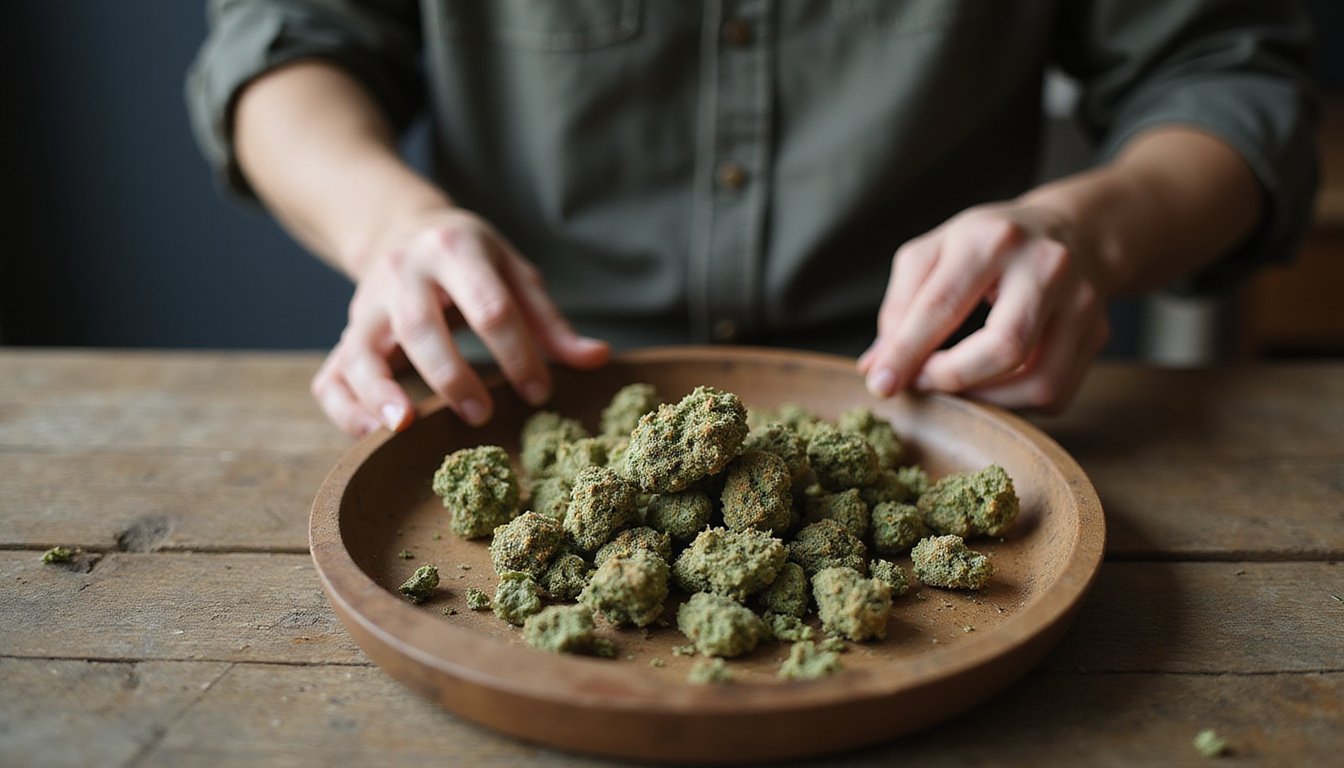
Loss of control over marijuana use often emerges gradually, making it difficult to recognize until you’ve already crossed an invisible line. You might find yourself consuming more than planned, repeatedly breaking promises to cut back. These escalating use patterns signal diminishing self-control, a hallmark of dependency rather than casual use.
When you can’t honor your own limits despite genuine intentions, it’s not a personal failure. Your brain’s reward system has adapted to regular marijuana exposure, making moderation increasingly difficult. You may experience persistent cravings that undermine quitting efforts, or discover you’re relying on weed to manage emotions and daily functioning. Regular marijuana use creates tolerance, requiring you to consume increasing amounts to achieve the same effects you once experienced.
Multiple failed attempts to reduce consumption aren’t signs of weakness; they’re symptoms indicating you need support addressing a genuine physiological and psychological challenge. Research shows that 47% of regular users experience withdrawal symptoms when they try to stop, demonstrating how common these struggles are among those who use marijuana frequently.
Noticeable Physical Signs That Point to Dependency
Beyond the internal struggle to moderate consumption, marijuana dependency manifests in visible ways your body can’t hide. You’ll notice bloodshot, glassy eyes from dilated blood vessels, often accompanied by droopy eyelids and dark circles from disrupted sleep. Your coordination suffers, slowed reactions, poor balance, and difficulty with fine motor tasks become routine. The infamous munchies drive weight gain through persistent cravings for high-calorie foods, while chronic fatigue leaves you struggling through days despite excessive sleep. Dry mouth contributes to concerning hygiene issues like bad breath and dental problems. Your heart races unexpectedly, and you’re constantly thirsty. Irregular sleep patterns can further compound the exhaustion, creating a cycle that’s difficult to break. If these physical symptoms persist, contacting a healthcare professional can provide guidance on addressing dependency and developing a recovery plan. Though pupil dilation isn’t typical with cannabis, these cumulative physical changes signal your body’s mounting struggle with dependency, signs worth acknowledging without shame.
Your Relationships and Daily Responsibilities Are Suffering

When weed use becomes more than recreational, you’ll often notice its impact spreading beyond your own well-being into your relationships and everyday responsibilities. You might find yourself pulling away from people who care about you, letting work or school standards slip, or repeatedly breaking commitments that once mattered. Marijuana’s ability to create a disconnect between you and others can make it harder to maintain the bonds that keep relationships strong. Research has found that mismatched marijuana use patterns between partners are linked to greater relationship conflict and less effective communication during disagreements. Marijuana use disorder can create inequality in household responsibilities, leading to resentment and conflict between partners. These shifts don’t happen all at once, but recognizing them early can help you understand whether cannabis is taking a larger toll on your life than you’d realized.
Declining Work or School Performance
As cannabis becomes a regular part of your routine, you’ll often notice its effects bleeding into your work or school performance, sometimes subtly at first, then unmistakably. Studies show regular users face lower grades, increased absenteeism, and higher dropout rates. You might find yourself struggling with diminished focus and concentration, particularly with working memory, essential for following instructions and organizing complex tasks. Research reveals cannabis impairs performance for about four hours after use, affecting your ability to complete assignments or meet deadlines. If you’re using before or during work hours, supervisors may notice reduced productivity and increased mistakes. Supervisors also report observing increased counterproductive work behaviors among employees who use cannabis before or during their shifts. Chronic use can affect your attention and memory for days or weeks even after the immediate effects have worn off. Marijuana primarily affects these cognitive functions by interacting with the endocannabinoid system, which plays a crucial role in memory, concentration, and motor coordination. Over time, repeated tardiness and unreliable attendance can lead to a compromised professional reputation, making it harder to maintain academic standing or advance your career.
Withdrawing From Loved Ones
| Warning Signs | Impact on Relationships |
|---|---|
| Avoiding social events and conversations | Friends and family feel shut out |
| Increased arguments and mood swings | Trust and intimacy deteriorate |
| Neglecting shared responsibilities | Partnership duties go unmet |
This withdrawal from loved ones often amplifies loneliness and depression, creating a cycle that undermines recovery. Cannabis-dependent individuals commonly experience anger, aggression, irritability, and anxiety during withdrawal, which can further strain relationships and make reconnection with loved ones more challenging. Research suggests that females may experience more severe cannabis withdrawal symptoms than males, which can intensify these relational difficulties.
Neglecting Important Commitments
Though marijuana use might seem like a private choice, its effects ripple outward into every corner of your life. You may find yourself neglecting child care, leaving meals unprepared, or skipping household maintenance that once came naturally. Missed bill payments and forgotten obligations accumulate, creating stress for everyone around you.
Chronic use impairs your concentration and memory, making it harder to follow through on work deadlines or academic assignments. You’re more likely to call out sick or lose employment altogether. Your decision-making suffers as altered priorities replace responsible judgment. Muscle relaxation and dizziness from cannabis can make it physically difficult to complete tasks that require coordination or sustained physical effort.
Relationships deteriorate when you repeatedly fail to meet expectations, and the people who once supported you begin pulling away. When partners use marijuana at different frequencies, discrepant use patterns can create additional tension through resentment and disagreements about time and money spent. Your family stability weakens as daily responsibilities pile up unaddressed, ultimately isolating you from the connections you need most.
Mood Swings and Emotional Instability Become the Norm
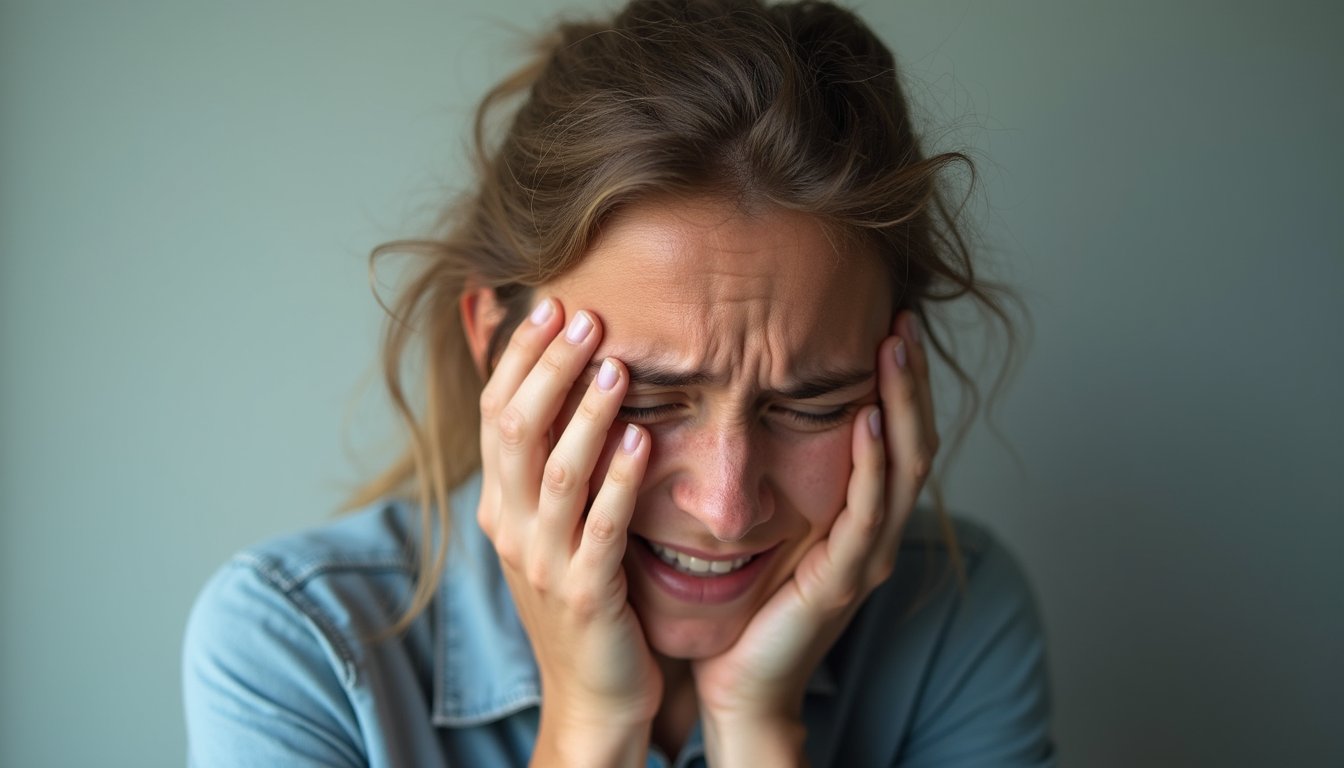
One of the most distressing consequences of marijuana addiction is how it transforms your emotional landscape into unpredictable territory. Your emotional dysregulation patterns intensify as chronic THC exposure disrupts dopamine and serotonin regulation, leaving you vulnerable to heightened emotional reactivity you can’t control.
You might notice:
- Abrupt shifts from euphoria to irritability or anger without clear triggers
- Emotional blunting that makes you feel disconnected from people and activities you once enjoyed
- Increased aggression and hostility, especially during withdrawal periods
- Worsened symptoms of pre-existing depression or bipolar disorder
These mood swings often strain your relationships and social connections. The prefrontal cortex damage reduces your impulse control, making emotional responses more intense and unpredictable. Cannabis influences the amygdala and prefrontal cortex, key brain regions responsible for controlling emotions and managing impulses, leading to diminished emotional regulation over time. Adolescents face particularly severe risks due to ongoing brain development.
Tolerance Builds and Withdrawal Symptoms Emerge
Over time, you’ll notice that the same amount of cannabis no longer produces the effects it once did, pushing you to consume more frequently or in larger doses just to feel “normal.” When you try to cut back or stop, your body responds with physical discomfort, headaches, sweating, nausea, alongside intense cravings that make it difficult to stay away. These experiences signal that your brain’s CB1 receptors have adapted to regular THC exposure, creating a cycle where tolerance and withdrawal reinforce continued use.
Needing More to Feel Effects
Regular cannabis use fundamentally changes how your brain responds to THC. As CB1 receptors downregulate with chronic exposure, you’ll notice distinct shifts in how cannabis affects you:
- You need larger amounts or higher-potency products to achieve the same relaxation or euphoria you once felt
- Effects that used to last hours now fade much faster, prompting more frequent use
- Your progression from weekend use to daily consumption happens gradually, often without conscious awareness
- Previously effective doses simply stop working, driving you toward concentrates or edibles
This pattern reflects accelerated tolerance development, especially with increased potency consumption. High-THC products speed up this process considerably. Studies show CB1 receptors can recover after about four weeks of abstinence, but reaching that point requires recognizing tolerance as a warning sign rather than simply increasing your dose.
Physical Discomfort When Stopping
When you decide to cut back or quit cannabis after regular use, your body responds with physical symptoms that can catch you off guard. Within the first 24 to 72 hours, you might experience headaches, sweating, and chills. Gastrointestinal distress often peaks around day three, bringing abdominal pain and nausea that can be quite uncomfortable. Appetite suppression is common during the first week, sometimes leading to noticeable weight loss. If you’ve been a heavy user, you may also notice tremors and restlessness. These physical symptoms typically reach their worst between days three and seven, then gradually improve over two to three weeks. The severity you experience depends on how much and how long you’ve been using, particularly if you’ve consumed high-potency products.
Cravings Between Usage Periods
As your brain adapts to regular cannabis consumption, it downregulates cannabinoid receptors to compensate for the constant influx of THC. This tolerance increase means you’ll need higher doses to feel the same effects, setting the stage for intense cravings between usage periods.
These cravings typically emerge within 24, 48 hours of stopping and represent a key withdrawal symptom. Understanding withdrawal symptom duration helps you prepare, cravings often peak during the first week but can persist for two weeks or longer in heavy users.
Common experiences during this phase include:
- Intense urges or compulsions to resume use
- Heightened anxiety and irritability alongside cravings
- Sleep disturbances and difficulty concentrating
- Emotional instability that increases relapse risk
Recognizing these patterns helps identify when recovery support needs become essential for sustained abstinence.
Cognitive Decline and Mental Fog Set In
Cannabis use doesn’t just alter your mood; it fundamentally changes how your brain processes information. You might notice brain fog, slower reaction times, and difficulty retaining new information within 24 hours of use. These aren’t temporary glitches; regular users often experience persistent cognitive issues affecting memory, attention, and executive function.
If you started using during adolescence, the impact becomes more severe. Studies show that early, chronic use leads to measurable declines across five cognitive domains, with effects detectable even after a year of abstinence. Working memory suffers particularly hard, making it difficult to follow instructions or mentally organize information.
The research is clear: heavy, long-term use, especially when started young, can result in lifelong mental impairment. Your brain deserves better than that gradual decline.
Motivation Disappears and Life Feels Stuck
Your brain isn’t just clouded, it’s losing the chemical fuel that drives you forward. Long-term cannabis use greatly reduces dopamine production in your striatum, the region responsible for motivation and reward. This neurochemical shift creates a profound sense of being stuck, marked by:
- Apathy toward responsibilities like work, school, or hobbies you once enjoyed
- Diminished drive to improve yourself or pursue personal development
- Lack of future planning as goals feel meaningless or overwhelming
- Flat emotional responses that make everyday activities feel unrewarding
You might notice relationships deteriorating as you withdraw socially, prioritizing substance use over connections. Even recognizing this stagnation doesn’t make stopping easier; cravings override your desire for change. This persistent use despite awareness of negative consequences signals addiction, not personal weakness.
Frequently Asked Questions
Can You Be Genetically Predisposed to Developing Weed Addiction?
Yes, you can be genetically predisposed to weed addiction. Genetic factors account for 50-70% of your risk for developing cannabis use disorder, meaning your genes notably influence your vulnerability. However, environmental influences like childhood experiences and parental care play equally essential roles in determining whether you’ll develop problematic use. If you’re concerned about your risk, understanding that both your genetics and environment matter can help you make informed decisions about cannabis use and seek support when needed.
How Long Does It Take to Become Addicted to Marijuana?
Addiction can develop within several months of regular use, though it varies based on your daily cannabis intake patterns and individual factors. If you’re using daily or near-daily, dependence may emerge faster, sometimes within weeks. You’ll know it’s progressing if you experience withdrawal symptoms like irritability, sleep problems, or cravings within 24-72 hours of stopping. Withdrawal symptoms duration typically peaks around days 4-14, signaling your body’s adapted to regular THC exposure.
Is Weed Addiction as Serious as Addiction to Other Drugs?
Weed addiction isn’t as physically dangerous as opioid addiction, but you shouldn’t minimize it. While you won’t face fatal overdose, you’re still at risk for potential long-term consequences like cognitive impairment and motivation issues. About 10% of users develop addiction, and underlying mental health issues can worsen. Cannabis use disorder causes real psychological dependence and withdrawal symptoms. If you’re struggling, your experience is valid, and seeking support can help you address both addiction and any co-occurring concerns.
Can Occasional or Recreational Use Eventually Lead to Dependency?
Yes, occasional use can progress to dependency. About 9, 10% of cannabis users develop addiction, rising to 17% for teens. As your frequency of use increases, especially daily or near-daily consumption, your brain adapts, building tolerance. You might then experience withdrawal symptoms like irritability, sleep problems, and cravings when you stop. Early initiation, higher THC potency, and personal risk factors accelerate this progression. What starts recreationally can become a pattern you’re unable to control without support.
What Are the First Steps to Get Help for Marijuana Addiction?
Start by seeking an assessment from a licensed addiction specialist who’ll evaluate your use patterns and create a personalized treatment plan. They’ll help you explore professional treatment options like cognitive-behavioral therapy or medically supervised detox if needed. You should also consider support group participation; connecting with others in recovery provides invaluable peer encouragement. Don’t hesitate to contact national helplines like SAMHSA for confidential guidance. Remember, reaching out for help isn’t a weakness; it’s a courageous step toward reclaiming your well-being.