
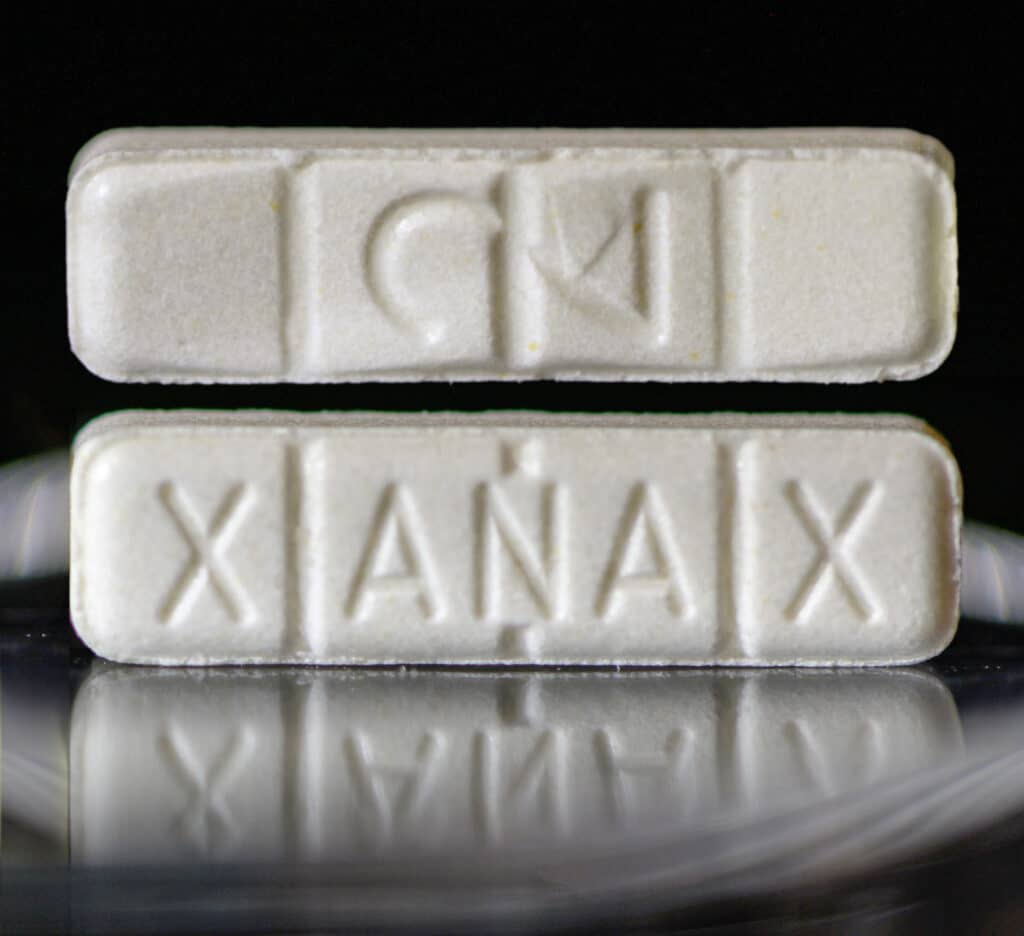



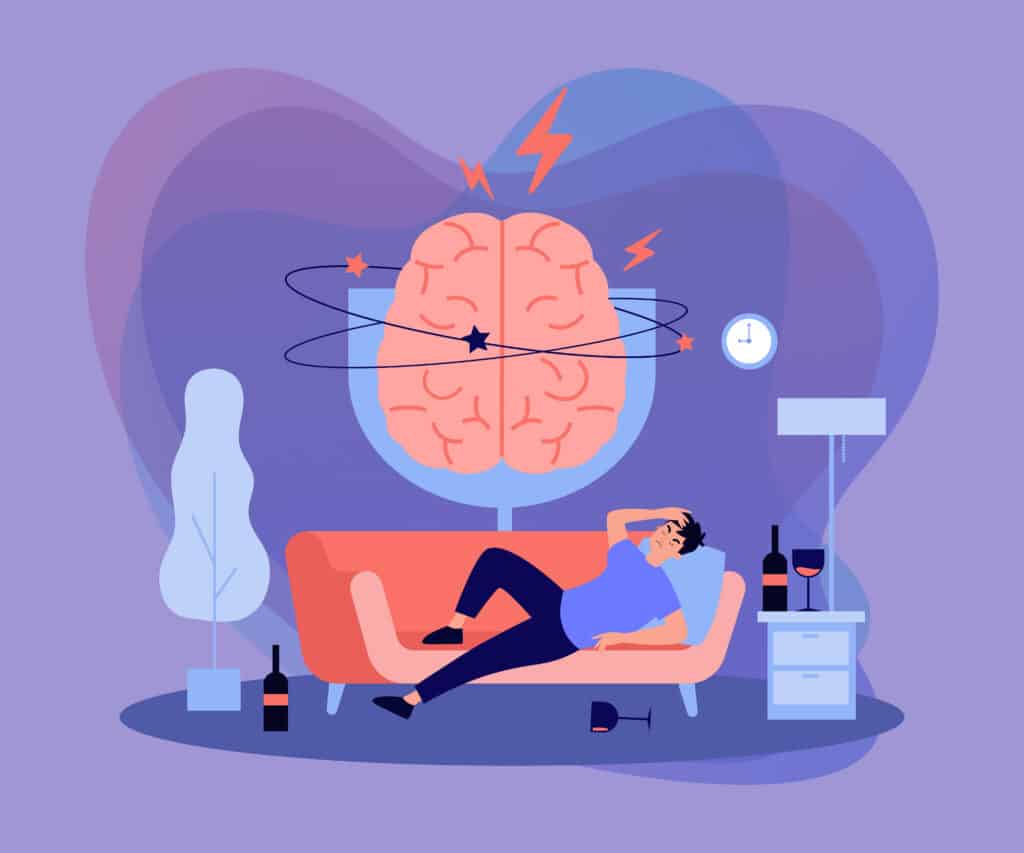





Addictive behaviors drastically impact your anxiety and depression through seven distinct neurobiological pathways. You’ll find substance use disrupts your brain’s chemical balance, particularly affecting dopamine and glutamate systems in the reward pathway. Your trauma history can intensify these effects, creating a cyclical pattern of self-medication and symptom amplification. When combined with personality factors like impulsivity and neuroticism, you’re facing a complex interplay that requires an integrated treatment approach. Comprehending these patterns opens the door to effective intervention and recovery.
The Brain Chemistry Connection: How Substances Alter Mental Health

How do addictive substances fundamentally reshape our brain’s delicate chemical balance? When you engage in addictive behaviors, your brain’s reward system undergoes significant alterations, particularly in dopamine functioning. You’ll experience an unnaturally intense dopamine release, which disrupts your natural pleasure responses and diminishes sensitivity to everyday rewards. The nucleus accumbens pathway becomes increasingly dominant as drugs deliver powerful stimulation directly to this reward center.
Beyond dopamine, you’re facing complex neurological changes including glutamate dysregulation and neuroinflammatory changes that affect multiple brain regions. Your prefrontal cortex‘s ability to control impulses weakens, while your amygdala becomes hyperactive, intensifying anxiety responses. The GABA system’s inhibitory function deteriorates, creating an imbalance in neural circuits. These changes are now recognized as manifestations of a brain disease, not merely a lack of willpower. Your hippocampus shows reduced neurogenesis, impairing stress adaptation and memory formation. These combined effects create a self-perpetuating cycle where substance use increasingly drives anxiety and depression while diminishing your brain’s natural regulatory capabilities. This destructive pattern requires increasingly higher doses to achieve the same effect as your brain develops chronic disease changes.
Trauma’s Role in the Addiction-Anxiety Cycle
Three core mechanisms connect trauma to addiction and anxiety: neurobiological disruption, maladaptive coping, and cyclical reinforcement. When you experience trauma, your brain’s stress response system becomes dysregulated, leading to emotional processing deficits that make you more vulnerable to anxiety and substance use. Experiencing adverse childhood experiences significantly increases the likelihood of developing these interconnected conditions.
You’ll often turn to drugs or alcohol as a temporary escape, but this self-medication pattern actually deepens your neurobiological disruption. The substances hijack your brain’s reward system, requiring increasingly higher doses for the same relief. Research shows that substance use disorders affect over seventy percent of trauma-exposed adolescents seeking treatment. This creates a dangerous feedback loop where addiction generates new traumas, intensifying your original anxiety. Data indicates that individuals with four or more ACEs are particularly vulnerable to developing addiction.
Breaking this cycle requires attachment-based interventions that address both the addiction and underlying trauma simultaneously. Without treating these interconnected issues together, you’re at higher risk for relapse and continued mental health struggles.
Breaking Down the Comorbidity Patterns

Understanding comorbidity patterns between addictive behaviors and mental health disorders reveals indispensable insights for treatment. The data shows that 30.8% of cases involve alcohol and mood disorder overlap, with significant gender disparities in comorbidity patterns. You’ll find that women more frequently experience alcohol-mood disorder combinations, while men show higher rates of psychosis with mixed substance use. Studies reveal that childhood trauma is strongly linked to developing these co-occurring conditions. Geographic analyses demonstrate that mood disorders were notably more prevalent in Warsaw compared to other European sites.
Age-related onset differences play a pivotal role, as anxiety disorders typically precede depressive episodes, particularly in cases of social phobia. Research indicates that behavioral inhibition in childhood increases the risk of developing social anxiety disorder three to fourfold. The complexity increases when multiple dependencies are present, as psychiatric syndrome rates nearly double with concurrent licit and illicit drug use. These patterns highlight why you need all-encompassing screening protocols, as comorbid patients often present with more severe symptoms and require integrated treatment approaches targeting both conditions simultaneously.
The Personality Structure and Addictive Tendencies
Your personality structure directly shapes how addictive patterns manifest, with traits like impulsivity and neuroticism creating unique vulnerabilities in your behavioral responses.
When faced with stress, your emotional regulation capabilities become markedly compromised, often leading you to rely on substances or behaviors as maladaptive coping mechanisms. Research shows that individuals with Dark Triad traits demonstrate heightened susceptibility to various forms of addiction. Studies consistently reveal that substance users exhibit low conscientiousness traits across different types of addictive behaviors. Mental health disorders commonly co-occur with addiction risk, creating a complex interplay of symptoms and behaviors.
Your capacity to maintain self-coherence during recovery depends heavily on core personality traits, particularly conscientiousness and agreeableness, which influence your ability to establish and maintain healthy behavioral patterns.
Identity Shapes Addictive Patterns
Personality structure plays a decisive role in shaping how addictive patterns manifest and evolve. Your identity traits, influenced by gender socialization and cultural influences, directly impact addiction susceptibility and expression. Research shows distinct patterns between personality types and substance preferences, with anxiety-sensitive individuals gravitating in the direction of sedatives while sensation-seekers pursue stimulants. The development of these behavioral patterns is strongly influenced by implicit cognitions that drive engagement in potentially harmful substance use.
| Personality Type | Primary Addiction Risk | Behavioral Pattern |
|---|---|---|
| Risk-Seeking | Stimulants/Novel Drugs | Impulsive Experimentation |
| Anxious-Sensitive | Sedatives/Alcohol | Self-Medication |
| Obsessive-Compulsive | Behavioral Addictions | Rigid Control |
| Socially Withdrawn | Mixed Substances | Isolation-Driven Use |
Your core traits predict not just addiction vulnerability but also your preferred substances and behaviors. Understanding these connections helps identify early warning signs and develop targeted intervention strategies that address both personality factors and addictive tendencies.
Emotional Regulation Under Stress
Numerous core personality traits shape how individuals regulate emotions under stress, directly influencing their susceptibility to addictive behaviors. Your neuroticism levels and anxiety sensitivity profoundly impact how you’ll cope with stressful situations, potentially leading to substance misuse as a self-medication strategy.
Gender-specific coping patterns reveal distinct vulnerabilities: you’ll notice males often turn to risk-taking behaviors, while females typically seek emotional regulation through substance use to address feelings of disconnection. Cross-cultural differences further complicate these patterns, as your socioeconomic status and cultural expectations shape both your stress response and chosen coping mechanisms.
You’re particularly at risk if you exhibit low conscientiousness or high impulsivity, as these traits can impair your ability to develop healthy stress management strategies, instead pushing you in the direction of addictive behaviors as a maladaptive response.
Self-Coherence During Recovery
Every aspect of your personality structure plays a pivotal role in shaping addiction patterns and recovery outcomes. Your behavioral flexibility during recovery depends heavily on core traits like openness and conscientiousness, which influence your ability to adapt to new coping strategies.
When you’re facing addiction, you’ll find that your established personality traits create distinct challenges in maintaining self-coherence. Identity restructuring becomes particularly complex if you’re dealing with rigid personality patterns or obsessive-compulsive traits.
You’ll notice that your habitual responses to stress and environmental triggers can either support or hinder your recovery process. If you’re struggling with neuroticism, you’re more likely to face difficulties in stress management and emotional regulation, making it essential to develop personality-specific intervention strategies that address both your addictive behaviors and underlying trait structures.
Neurological Pathways of Stress and Substance Use
Your brain’s reward circuits undergo significant alterations during addiction, with repeated substance use diminishing dopamine function while intensifying stress-response pathways in the extended amygdala.
You’ll experience disrupted stress responses as your prefrontal cortex loses control over emotional regulation, leading to heightened anxiety and depression through dysregulated HPA axis activity. Research shows that chronic stress exposure frequently facilitates both the initial development of addiction and subsequent relapse patterns.
These neurological changes create a self-perpetuating cycle where neurotransmitter imbalances in dopamine, norepinephrine, and cortisol systems amplify both addictive behaviors and mood disturbances. The cycle is particularly evident in individuals with insecure attachment styles, who may be more vulnerable to developing substance use disorders.
Brain Reward Circuit Changes
Scientific evidence reveals profound alterations in the brain’s reward circuitry during addiction development. Your brain’s dopamine receptor dynamics undergo significant changes, with reduced D2 receptor density in the striatum and blunted dopamine release patterns. This disruption shifts your brain’s response from actual substance use to environmental cues that trigger cravings.
Neural connectivity reorganization occurs as addiction progresses, affecting how your prefrontal cortex communicates with reward centers. You’ll experience weakened executive control over impulses while your striatal circuits become hyperresponsive to drug-related cues. These changes create an imbalance where reward-seeking behaviors overpower rational decision-making.
The plasticity in your nucleus accumbens and its connections to the prefrontal cortex fundamentally alter how you process rewards, making it increasingly difficult to resist addictive substances while diminishing your response to natural rewards.
Stress Response Pathway Disruption
While chronic substance use alters your brain’s reward circuits, it simultaneously disrupts critical stress response pathways through complex neurobiological mechanisms. Your hypothalamic-pituitary-adrenal (HPA) axis becomes dysregulated, creating persistent neuroendocrine imbalances that amplify both stress sensitivity and drug cravings.
When you’re exposed to drugs, glucocorticoids interact with your mesolimbic dopamine system, strengthening the reinforcing effects of substances while weakening your prefrontal cortex‘s ability to regulate emotions and impulses.
These disruptions create a vicious cycle: stress triggers substance use, which further destabilizes your stress response system, leading to increased relapse vulnerability. Your amygdala becomes hyperresponsive to threats, while structural changes in your hippocampus and prefrontal cortex compromise your ability to cope with stress without turning to substances.
Neurotransmitter Dysregulation Impacts
The complex interplay between neurotransmitters forms the biochemical foundation of both addictive behaviors and mood disorders. When you engage in substance use, you’re triggering profound neurotransmitter imbalances that disrupt your brain’s natural equilibrium. This reward system hijacking leads to extreme dopamine fluctuations, creating cycles of euphoria and crushing lows that worsen anxiety and depression.
Your brain’s serotonin and norepinephrine systems become just as compromised. Low serotonin increases your impulsivity and compulsive behaviors, while norepinephrine disruptions affect your stress responses and emotional regulation. These imbalances create a self-perpetuating cycle: substance use alters your neurotransmitter function, which intensifies mood disorders, potentially driving you in the direction of continued substance use as a maladaptive coping mechanism.
The Hidden Links Between Childhood Adversity and Dependencies
Research consistently reveals that childhood adversity serves as a powerful catalyst for substance dependency and mental health challenges later in life. You’ll find that intergenerational trauma patterns emerge when parental substance use disorders create environments that heighten addiction risks for offspring. These cumulative risk factors manifest through multiple pathways: altered brain reward systems, compromised decision-making abilities, and impaired inhibitory control.
The data shows that 85-100% of individuals in substance treatment report at least one childhood adversity, while 60% of youth with PTSD develop substance use problems. You’re seeing a clear correlation between early trauma and addiction severity, as higher ACE counts directly predict increased odds of illicit drug use. This relationship operates through both neurobiological changes and psychological coping mechanisms, particularly self-medication for trauma-related symptoms.
Evidence-Based Treatment Approaches for Dual Diagnoses

Modern evidence-based approaches have revolutionized dual diagnosis treatment by integrating exhaustive care models that target both addiction and mental health simultaneously. Through integrated intervention models and medication assisted treatment strategies, you’ll find comprehensive solutions that address the complex interplay between these conditions.
Key evidence-based treatments include:
- CBT and DBT therapies that target maladaptive thought patterns while building vital coping mechanisms
- Pharmacotherapy protocols combining psychiatric medications with addiction treatments like buprenorphine
- Structured peer support programs offering specialized dual recovery pathways
These approaches work synergistically to provide ideal outcomes. You’ll benefit from treatment teams that understand how substance use and psychiatric symptoms influence each other, while medication management ensures stability throughout recovery. This integrated framework represents a significant advancement over traditional sequential treatment methods.
Frequently Asked Questions
Can Genetic Predisposition to Addiction Increase Anxiety Disorder Risks?
Your genetic predisposition to addiction can indeed enhance your anxiety disorder risks through shared genetic markers and overlapping neurotransmitter pathways.
Your family history patterns often reveal this connection, as genes regulating dopamine and serotonin systems affect both conditions.
Moreover, your early childhood experiences can interact with these genetic vulnerabilities, potentially triggering both addiction and anxiety symptoms.
Research shows that inherited genetic factors can simultaneously influence your susceptibility to both disorders.
How Long Does It Take for Brain Chemistry to Normalize After Addiction?
Your brain chemistry normalization timeline typically spans 6-18 months after detoxification process duration. You’ll experience distinct phases: early recovery (0-30 days) with acute withdrawal, initial recovery (1-3 months) as neurotransmitters restart production, moderate recovery (3-6 months) when cognitive functions improve, and long-term recovery (6-12+ months) for complete stabilization. Your specific timeline depends on factors like substance type, usage duration, and treatment engagement.
What Role Do Environmental Toxins Play in Addiction-Anxiety Comorbidity Patterns?
Environmental toxin exposure can vastly impact your brain’s neurotransmitter systems, creating a foundation for addiction-anxiety comorbidity.
When you’re exposed to toxins like heavy metals or industrial chemicals, they disrupt your dopamine, serotonin, and GABA regulation. You’ll find these disruptions can trigger both addictive behaviors and anxiety symptoms.
The toxins also promote neuroinflammation and oxidative stress, which damage brain regions responsible for emotional regulation, making you more susceptible to this dual diagnosis.
Are Certain Professions More Susceptible to Addiction-Anxiety-Depression Cycles?
You’ll find that high stress occupations drastically increase your risk of developing addiction-anxiety-depression cycles. If you’re in construction, hospitality, healthcare, or information technology, you face heightened risks due to intense deadlines, physical demands, and irregular schedules.
Research shows these professions report substance use rates up to 19% higher than average. To combat this, you’ll benefit from regular mental health screening and early intervention programs in your workplace.
Do Dietary Factors Influence Recovery From Concurrent Addiction and Anxiety Disorders?
Yes, dietary factors substantially impact your recovery from concurrent addiction and anxiety disorders.
Through targeted dietary interventions, you’ll find that omega-3 fatty acids and magnesium help regulate mood and reduce cravings.
You’ll benefit from maintaining stable blood sugar levels by consuming complex carbohydrates with protein.
Nutritional supplements can address deficiencies common in recovery, while fermented foods support your gut-brain axis, enhancing serotonin production and emotional stability.