









To maintain ideal health in 2025, you’ll need to focus on whole, nutrient-dense foods while minimizing ultra-processed items that make up 70% of the modern food supply. Your diet should emphasize seasonal vegetables, fruits, whole grains, lean proteins, and low-fat dairy, with 85% of calories coming from these nutrient-rich sources. You’ll want to personalize your approach based on your life stage and biological needs. Understanding updated food labels and sustainable eating patterns will transform your nutritional success.
The Science Behind Modern Dietary Patterns
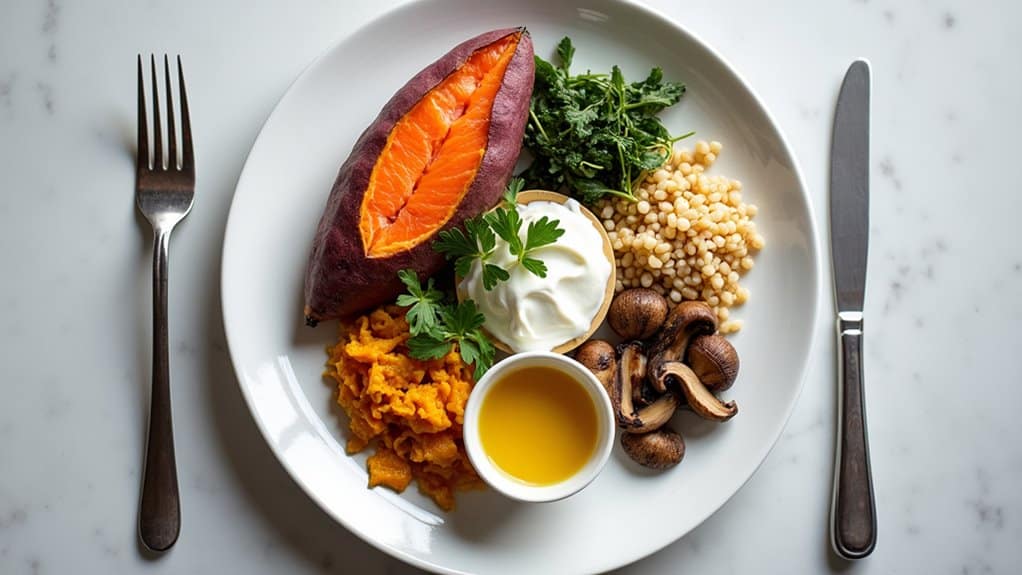
While dietary science continues to evolve, recent research has crystallized several key patterns that shape modern nutrition recommendations. You’ll find that ultra-processed foods, despite their convenience, carry significant additive concerns and preservative implications that can impact your metabolic health. Research shows these foods correlate strongly with obesity in adults, though pediatric effects need further study. These foods now comprise 70% of food supply in the United States, making them a dominant part of the average American diet.
You can improve your health outcomes by replacing processed meats with plant-based proteins, which reduces cardiovascular disease risk and supports sustainable nutrition. Modern precision nutrition approaches now utilize biomarkers to create personalized dietary plans, while portion control remains essential. Evidence shows that larger portion sizes consistently lead to increased food and energy intake among adults. A diet rich in whole plant foods can significantly lower chronic disease risks. When you’re planning meals, focus on nutrient-dense whole foods and mindful eating practices, as these strategies help optimize your metabolic health and support long-term wellness goals.
Essential Food Groups for Optimal Health
Modern nutrition science emphasizes five core food groups that form the foundation of a balanced diet. You’ll need to prioritize vegetables and fruits, aiming for at least five 80g portions daily to achieve ideal micronutrient variety. Incorporate whole grains for half your grain intake, focusing on options like quinoa and oats. Select lean proteins, including both animal and plant sources, targeting 5.5 ounces per day. Choose low-fat dairy or fortified alternatives, limiting intake to three cups daily. For healthy fats, emphasize unsaturated oils from sources like olive oil and avocados, keeping total fat intake between 20-35% of daily calories. Whenever possible, select seasonal produce to enhance nutritional benefits and support sustainable eating patterns. Remember to maintain a balanced energy intake by ensuring your food consumption matches your daily physical activity levels.
Understanding Nutrient Density and Balance
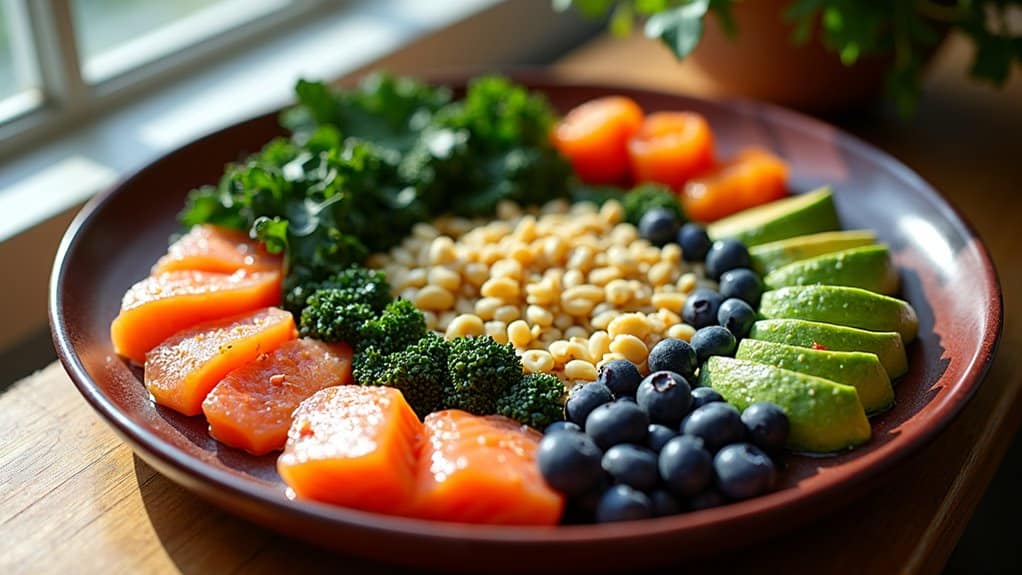
Understanding nutrient density forms the cornerstone of healthy eating patterns in 2025, as you’ll need to maximize nutritional value while managing caloric intake. To meet balanced macronutrient requirements, focus on foods that deliver maximum nutrients per calorie. You’ll find supplementary nutrient benefits by combining nutrient-dense choices with healthy fats from sources like avocados and olive oil. Making healthy food swaps in recipes can easily boost the nutritional value of your meals. How foods are prepared significantly impacts their nutritional value, so opt for grilled or steamed dishes over fried alternatives. The latest guidelines recommend that 85% of calories should come from nutrient-dense foods to maintain optimal health.
| Food Category | Nutrient Benefits | Ideal Choices | Balance Tips |
|---|---|---|---|
| Proteins | Complete amino acids | Lean meats, legumes | Pair with whole grains |
| Grains | Fiber, B vitamins | Quinoa, brown rice | Choose unrefined options |
| Fats | Heart-healthy omega-3s | Nuts, oily fish | Control portions |
| Produce | Antioxidants, minerals | Leafy greens, berries | Emphasize variety |
Follow the 2020-2025 Dietary Guidelines by limiting processed foods while prioritizing whole food options that support your nutritional needs.
Personalization Across Life Stages
Personalized nutrition in 2025 builds upon foundational nutrient density principles by addressing specific biological needs across different life stages. Through generational needs assessment, you’ll find that Gen Z requires cognitive-supporting nootropics and gut-brain interventions, while Baby Boomers focus on longevity through anti-inflammatory compounds and collagen peptides. Supporting the sustainable nutrition trend, food choices now emphasize both individual health outcomes and environmental impact. The emergence of fearless agelessness among consumers is driving demand for targeted solutions that support cellular health and vitality. The rapid growth to reach $60.94 billion by 2034 reflects the increasing consumer adoption of personalized nutrition solutions.
Targeted nutritional interventions vary greatly by life stage. If you’re pregnant, you’ll need folate-rich formulations and adaptogens for developmental support. During menopause, phytoestrogens and calcium absorption boosters become essential for hormonal balance and bone density. Athletes benefit from plant-based recovery proteins and electrolyte strategies, while post-antibiotic recovery demands microbiome-friendly postbiotics. Digital tracking tools and precision nutrition models now integrate your genetic, metabolic, and lifestyle data to create truly personalized dietary recommendations.
Breaking Down Smart Food Label Claims

You’ll need to master three key aspects of smart food labeling to make informed choices in 2025’s evolving marketplace. Understanding the updated “healthy” claim criteria and nutrient limits will help you identify genuinely nutritious options while avoiding misleading marketing. The new front-of-package symbols and standardized nutrition facts will streamline your decision-making process by clearly highlighting critical information about added sugars, sodium, and food group contributions. The recent postponement to April 28 gives consumers additional time to familiarize themselves with these updated labeling guidelines. The new labels will display Low, Med, or High ratings for key nutrients to help shoppers quickly compare similar products. Foods like plain water and tea with minimal calories automatically qualify for healthy claims without meeting additional requirements.
Reading Nutrition Facts Effectively
As nutrition labels evolve to meet 2025’s stricter standards, mastering how to decipher food packaging information has become essential for making informed dietary choices. Understanding nutrient ratios and spotting label discrepancies between front and back panels requires strategic comparison skills. The “Calories from Fat” information has been removed from labels to emphasize the importance of fat types rather than total fat content. Identifying nutrients using the 5% DV threshold helps determine if a food is low in specific components.
To read nutrition facts effectively:
- Compare serving sizes consistently to avoid misleading calorie and nutrient calculations
- Check both %DV and gram amounts for mandatory nutrients like vitamin D, calcium, iron, and potassium
- Scrutinize ingredient lists for hidden trans fats and added sugar synonyms, even when labeled “0g”
- Evaluate sodium content against daily limits, especially when consuming multiple servings
Focus on whole food ingredients appearing early in the list, and recollect that shorter ingredient lists typically indicate less processed options.
Understanding Health Claim Criteria
Understanding health claims on food labels requires familiarity with the FDA’s updated 2025 criteria, which emphasize both food group contributions and nutrient limitations. You’ll need to check three key aspects: food group equivalents, nutrient thresholds, and expanded qualifying foods.
| Category | Requirement | Example |
|---|---|---|
| Food Groups | Significant contribution | Vegetables, fruits, grains |
| Nutrient Limits | Added sugar caps | 2.5g for dairy products |
| Fat Content | Saturated fat restrictions | Exceptions for nuts, fish |
| Sodium | Category-specific limits | Varies by product type |
| Implementation | Compliance by 2028 | Early adoption allowed |
When evaluating products, focus on whole food ingredients and natural nutrient sources rather than processed additives. The new criteria now include previously excluded items like nuts and fatty fish, provided they meet specific nutrient thresholds and food group requirements.
Decoding Front Package Symbols
When shopping for packaged foods in 2025, front-of-package (FOP) symbols serve as quick visual guides to help identify products high in saturated fat, sugars, or sodium. Global symbol adoption trends show diverse warning designs, from Chile’s stop signs to Canada’s distinctive magnifying glass icon.
You’ll need to understand these key elements to make informed choices:
- Products exceeding 10% of Daily Value for saturated fat, sugars, or sodium must display warning symbols
- Symbols appear in the upper half of packages (right side for wide containers)
- Black-and-white designs ascertain high visibility without competing with brand elements
- Bilingual requirements mean text appears in both English and French
Industry compliance strategies focus on accurate serving size calculations and proper symbol placement while maintaining consistent labeling across physical and digital platforms.
Building Sustainable Eating Habits
Building sustainable eating habits increasingly revolves around plant-based alternatives, zero-waste practices, and personalized nutrition approaches. You’ll find that 13.7% of Gen Z already follows plant-based diets, with another 7% planning to adopt these practices by 2025. By incorporating mycoprotein and cultured meat alternatives, you’re reducing your environmental impact while maintaining ideal nutrition.
To enhance sustainability, focus on reducing waste streams through circular food systems. This means redefining ingredient utilization by transforming vegetable scraps into broths and incorporating root-to-leaf cooking practices. Your nutrition strategy should align with gut health optimization through fermented foods and microbiome testing. Consider adopting regional dietary patterns like Mediterranean or Okinawan diets, which offer culturally-aligned approaches to sustainable eating while supporting local food systems.
Frequently Asked Questions
How Do Cultural Food Traditions Fit Into Modern Healthy Eating Guidelines?
Your cultural food preferences and traditional cooking methods can form the foundation of a healthy diet. Modern guidelines recognize that traditional diets often emphasize whole foods, balanced nutrients, and time-tested preparation techniques that preserve nutritional value. You’ll find that many heritage-based eating patterns naturally align with current health recommendations, featuring plant-based proteins, whole grains, and minimal processing. By honoring your cultural traditions, you’re likely supporting better health outcomes.
Can Intermittent Fasting Be Part of a Healthy Dietary Pattern?
Yes, you can incorporate intermittent fasting benefits into a healthy eating pattern. Research shows it’s effective for weight management, metabolic health, and potential longevity gains. You’ll see best results with structured approaches like the 4:3 plan or 8-hour eating windows. However, you’ll need to monitor your response carefully while intermittent fasting works well for many people, it’s not suitable if you have certain health conditions or eating disorders.
What Role Do Probiotic and Fermented Foods Play in Diet?
Probiotic and fermented foods play a pivotal role in supporting your health by promoting a diverse gut microbiome. Regular consumption of foods like yogurt, kefir, kimchi, and sauerkraut can provide benefits that may exceed those of probiotic supplements. These foods deliver beneficial bacteria along with nutrients and bioactive compounds. Research shows they can reduce inflammation, improve digestion, and strengthen immune function. You’ll get the best results by including a variety of fermented foods daily.
How Does Meal Timing Affect Nutrient Absorption and Metabolism?
When you eat matters as much as what you eat. Your body’s circadian rhythms optimize nutrient absorption during daylight hours, while nighttime eating can disrupt metabolic processes. Earlier meal timing improves insulin sensitivity and supports healthy gut microbiome diversity. By maintaining consistent meal frequency and eating within a 12-hour window, you’ll bolster your body’s ability to process nutrients efficiently and maintain metabolic health.
Are Organic Foods Necessary for Maintaining a Healthy Diet?
While organic foods offer certain benefits, they’re not essential for a healthy diet. You can maintain ideal nutrition through conventional produce that’s seasonal and locally sourced. Scientific evidence shows both organic and conventional foods meet safety standards and provide similar core nutrients. Your focus should be on consuming varied fruits and vegetables, regardless of farming method. If budget allows, you might choose organic for items with higher pesticide exposure, but it’s not mandatory for good health.