







Mental health decline manifests through distinct warning signs: you’ll experience approximately 20% productivity loss through presenteeism, where you’re physically present but cognitively disengaged. Your concentration deteriorates, decision-making quality suffers, and error rates climb noticeably. Unplanned absences increase up to 4x your baseline frequency, particularly on Mondays or after high-demand projects. You’ll miss deadlines more frequently, produce lower-quality deliverables, and extend work hours to compensate for decreased cognitive functioning. These measurable performance shifts serve as diagnostic signals that require immediate attention to prevent career-threatening patterns from developing further.
The Hidden Cost of Presenteeism: When You’re at Work but Not Really There

While absenteeism garners attention through empty desks and obvious gaps in staffing, presenteeism, the practice of working while physically or mentally unwell, silently drains organizational productivity at a far greater scale. You’re experiencing approximately 20% productivity loss when working through illness, with mental health conditions like anxiety and depression being primary contributors. Two-thirds of workers report this behavior annually, yet it remains largely undetected by management. Remote work arrangements have intensified the problem by blurring work-life boundaries. The financial impact extends beyond reduced output, you’ll produce lower-quality work and make more errors. This creates a productivity gap between what employees would normally accomplish and what they actually achieve while unwell. Addressing this requires a supportive company culture with adequate sick leave policies, proactive mental health monitoring, and flexible work arrangements that prioritize recovery over attendance-focused workplace norms.
Absenteeism Patterns That Signal Declining Mental Wellbeing
You’ll notice declining mental wellbeing manifests through distinct absenteeism patterns that differ markedly from typical sick leave. Research indicates that employees experiencing mental health deterioration demonstrate a statistically significant increase in unplanned absence frequency, often four times higher than their baseline rate, coupled with progressively longer leave durations. These patterns serve as quantifiable diagnostic indicators that warrant immediate assessment and intervention. Workers with depressive symptoms have higher odds of absenteeism and experience longer episodes of absence compared to their counterparts without mental health concerns. Healthcare workers experiencing burnout report that illness, injury, and medical problems constitute the primary drivers of their unplanned absences from work. Organizations must recognize that high absenteeism rates frequently signal underlying mental health challenges that disrupt operations and create increased workloads for remaining team members.
Increased Unplanned Absence Frequency
Absenteeism patterns serve as measurable indicators of workforce mental health decline, with employees rating their mental health as fair or poor reporting approximately four times more unplanned absences than their counterparts with good mental health. You’ll notice trending unplanned absence reasons now center on depression, anxiety, burnout, and stress, conditions that precipitated a 33% increase in mental health-related absences in 2023 compared to 2022. Mental health emergency leaves have surged 300% from 2017 to 2023, with female employees accounting for 69% of these absences. Millennial women represent 33% of mental health-related leaves, while Gen X women account for 30%, highlighting generational patterns in how workplace stress manifests. If you’re tracking your organization’s patterns, recognize that rising frequency signals deeper systemic problems: toxic environments, poor communication, and workforce disengagement. Over 114,000 employees skip work daily in the U.S., creating operational disruptions and compounding workloads for remaining team members. Organizations should implement Employee Assistance Programs to provide counseling support and help address mental health issues before they escalate into chronic absenteeism patterns.
Extended Leave Duration Trends
Beyond tracking absence frequency alone, duration patterns reveal the severity of mental health deterioration across your workforce. Mental health-related leaves averaged 433.9 days compared to 325.4 days for physical conditions, a clinically significant 33% difference indicating prolonged functional impairment. You’ll notice mental health leaves increased 300% from 2017, 2023, with 8% of employees now taking such absences versus 2% in 2019.
Return to work challenges extend these durations further, as mental health recovery lacks objective milestones that physical illness provides. Changes in mental health status impact absenteeism three times more than physical health changes. Women experience disproportionately longer absences, comprising 69% of cases. Millennial women alone account for 33% of all mental health related leaves, facing unique pressures from managing teams, purchasing first homes, and adjusting to new parenthood. However, employees who leverage employee assistance benefits return to work 6 days sooner, demonstrating measurable improvement in recovery timelines. Occupational identity shifts during extended leave complicate reintegration, with 56% of employees reporting inadequate support upon return despite organizational policies. Higher job stressors correlate with extended absence durations specifically for mental health conditions, while increased social support reduces leave length.
Cognitive Performance Decline: Creativity, Decision-Making, and Problem-Solving Struggles

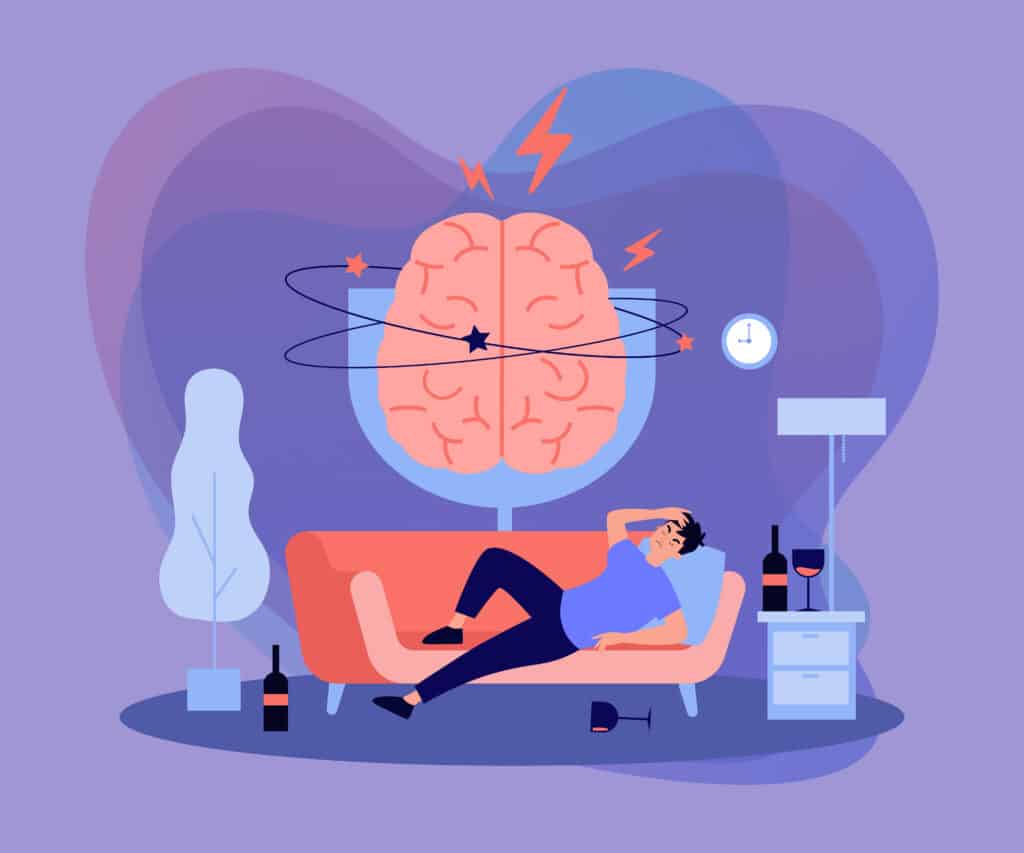
Mental health conditions fundamentally disrupt the cognitive architecture that underpins workplace performance, creating measurable deficits across attention, memory, and executive functioning domains. When you’re experiencing psychological distress, you’ll encounter concentration challenges that directly impair sustained attention tasks, with depression affecting cognitive ability in approximately 35% of cases. Your working memory capacity deteriorates under heightened mental workload (averaging 66.28 out of maximum scores), creating imbalance between cognitive resources and task requirements. Decision-making quality suffers through increased judgment errors, while cognitive flexibility depletion restricts your capacity for novel problem-solving approaches. Reaction time tests reveal nonlinear relationships with mental workload (R² = 0.34-0.48), demonstrating measurably slower processing speeds. The inverted U relationship between cognitive performance and mental workload suggests that both insufficient and excessive task demands impair your functional capacity, underscoring the critical importance of balancing workplace requirements. Executive functioning impairment reduces your ability to manage sequential decision-making and complex workplace tasks requiring analytical judgment. Poor mental health negatively affects not only cognitive performance but also productivity and engagement levels, diminishing your overall contribution to workplace objectives. Research utilizing neuropsychological test batteries demonstrates that objective cognitive function measurements provide more reliable targets for workplace interventions than subjective self-assessments alone.
Productivity Metrics That Reveal Mental Health Concerns
Quantifiable productivity metrics can expose mental health deteriorations before employees request formal support or intervention. You’ll observe three primary indicators: declining output and quality in deliverables, increased absenteeism patterns that disrupt workflow continuity, and presenteeism marked by physical attendance paired with cognitive disengagement. These measurable performance shifts serve as diagnostic signals, enabling data-driven identification of workforce psychological distress. Organizations that track employee turnover rates alongside performance data gain deeper insights into how mental health challenges drive workforce attrition and business costs. Monitoring symptom severity levels before and after treatment provides quantifiable evidence of therapy effectiveness and can secure leadership buy-in for continued program investment. Comprehensive mental health programs have demonstrated effectiveness in reducing symptoms while simultaneously improving productivity outcomes across diverse workplace settings.
Declining Output and Quality
Tracking workplace performance metrics reveals concrete evidence of deteriorating mental health long before employees seek help or disclose their struggles. You’ll notice patterns emerging through:
- Missed deadlines and targets, Depression and anxiety impair your decision-making abilities, causing you to fall behind on deliverables with increased frequency
- Elevated error rates, Diminished concentration levels lead to mistakes and reduced attention to detail, compromising quality standards across your projects
- Presenteeism indicators, You’re physically present but operating at reduced capacity, with measurements showing markedly lower effectiveness compared to baseline performance
These metrics don’t exist in isolation. When you’re experiencing untreated mental health challenges, your work quality deteriorates alongside output reductions. Workers with fair or poor mental health have nearly 12 days of unplanned absences annually compared to just 2.5 days for their colleagues with better mental health. The result? Stagnant professional growth, decreased engagement scores, and measurable declines in both productivity and deliverable quality that impact your entire team’s performance.
Increased Absenteeism Patterns
Beyond declining output quality, your absence from work itself becomes a measurable indicator of deteriorating mental health. Mental health-related leaves surged 300% from 2017 to 2023, with a 33% increase in 2023 alone. You’re four times more likely to take unplanned absences when experiencing poor mental health compared to good mental health.
Your employer can identify concerns through specific metrics: frequent unexplained short absences, particularly on Mondays or following high-demand projects, signal emerging issues. A spike in short-term disability claims for psychological reasons often precedes broader absentee trends. Absenteeism patterns reveal vulnerability clusters, especially after industry-wide stressful events. Your demographic profile matters; younger workers, women, and employees with young children demonstrate higher rates. These absenteeism patterns and industry trends provide quantifiable early warnings requiring intervention.
Presenteeism and Disengagement
While your physical presence at work may suggest normal functioning, presenteeism, attending work despite diminished mental capacity, costs organizations substantially more than absenteeism itself. Research indicates this phenomenon affects approximately one in three European workers, with burnout, stress, and depression serving as primary contributors.
You’ll recognize presenteeism through specific productivity metrics:
- Decreased output efficiency: Your work completion rates and quality standards decline measurably below established performance targets
- Reduced engagement scores: Work culture impact assessments reveal diminished motivation and task interest through validated surveys
- Extended work hours: You’re compensating for decreased cognitive functioning by working longer with diminishing returns
Employee assistance programs can help identify these patterns early. Monitoring these metrics allows organizations to detect mental health concerns before productivity losses become severe.
Work-Life Boundary Erosion and Burnout Red Flags
The COVID-19 pandemic’s shift to remote work dismantled traditional physical boundaries between professional and personal spaces, forcing employees to construct new temporal and behavioral demarcations that many struggled to maintain effectively. You’re experiencing work-life boundary erosion when technology-enabled convenience drives voluntary work expansion and habitual “staying connected” behaviors that consume personal time. Research indicates women face disproportionate burden, with only 45% boundary stability versus 83% for men, alongside higher interruption rates requiring constant multitasking. Work pace fluctuations emerge as you fragment your schedule among caregiving, household tasks, and professional responsibilities. Critical warning signs include difficulty fulfilling role expectations due to time pressures, frequent behavioral segmentation between distinct role demands, and diminished social connectedness changes as traditional colleague interactions become technology-mediated, ultimately culminating in behavior-based work-life conflict.
Communication and Collaboration Changes in Your Team

Mental health deterioration fundamentally disrupts how teams communicate and collaborate, creating measurable shifts in workplace dynamics that extend far beyond individual performance metrics. You’ll notice reduced information sharing when psychological safety erodes, 63% of Generation Z employees lack confidence voicing opinions, while 60% cannot express authentic selves at work. This withdrawal manifests through three critical patterns:
When psychological safety erodes, information sharing collapses, leaving teams fractured, defensive, and unable to collaborate effectively across critical workplace functions.
- Isolationist tendencies: 25% experiencing high stress actively keep to themselves, avoiding collaborative exchanges
- Interpersonal conflict escalation: 19% report increased irritability toward coworkers, destabilizing team interactions
- Trust erosion: 52% in toxic environments experience mental health harm, correlating with withheld information and fragmented teamwork
Diminished team participation becomes evident through minimal engagement in discussions, defensive communication styles, and decreased willingness to contribute, all diagnostic indicators of declining collective mental health.
Career Stability Indicators: When Mental Health Threatens Job Retention
When does diminished psychological well-being cross from a manageable workplace challenge to existential career threat? Research identifies specific thresholds: you’re approaching critical risk when job insecurity risks compound existing mental health challenges, creating a cascading effect that impacts 54% of workers. The convergence manifests through measurable indicators, increased absenteeism patterns, documented performance declines, and active resignation considerations. Your vulnerability intensifies when career development opportunities remain absent, undermining both satisfaction and retention capacity. Evidence shows 300,000 annual job losses stem directly from untreated mental health conditions. Low job flexibility correlates with heightened psychological distress, while insufficient employer support accelerates turnover intentions. Financial stress amplifies these factors, transforming manageable symptoms into employment-threatening conditions requiring immediate intervention and systematic organizational response.
Frequently Asked Questions
What Legal Protections Exist for Employees Disclosing Mental Health Issues at Work?
You’re protected under the ADA from discrimination when disclosing mental health conditions at work. Your employer must keep all medical information confidential and separate from personnel files. When you make reasonable accommodation requests, you’ll need to provide documentation, but this triggers legal protections against retaliation or termination. Your disclosure remains voluntary unless accommodations are needed, and confidentiality concerns are addressed through federal privacy requirements. However, high-risk industries may have legitimate exceptions for safety-related inquiries.
How Should Managers Approach Employees They Suspect Are Struggling With Mental Health?
You should initiate private, non-judgmental conversations using active listening skills to encourage open communication about observable changes in performance or behavior. Don’t diagnose, but express genuine concern and provide mental health resources like employee assistance programs. You’ll need to maintain professional boundaries while offering workplace accommodations such as flexible schedules or modified workloads. Document discussions appropriately and collaborate with HR to verify you’re supporting the employee while protecting confidentiality and meeting organizational requirements.
Does Health Insurance Typically Cover Workplace Mental Health Support and Therapy?
Yes, most health insurance covers mental health support. 93% of employer plans with 50+ workers include mental health plan benefits, and 62% cover in-person therapy. You’ll likely find workplace counseling services through Employee Assistance Programs (72% of employers offer these). However, 31% of entry-level workers don’t know how to access these benefits. Check your plan details and contact HR covered services typically include therapy sessions, with evidence showing users attend approximately 12 sessions annually.
Can Taking Mental Health Leave Negatively Impact Future Promotion Opportunities?
Yes, taking mental health leave can negatively impact your career advancement potential. Research shows you’ll face a 34% lower promotion probability compared to peers without leave history. Management often perceives former burnout patients as having reduced stress tolerance and leadership capability, a bias called “taste-based discrimination.” While organizational support helps, stigma persists and affects your future job prospects. Disclosure remains risky, as supervisors may unconsciously question your resilience despite your actual recovery and performance improvements.
What Is the Average Recovery Time Before Returning to Full Productivity?
You’ll typically need 2 weeks to 6 months to regain full productivity after mental health-related absence, depending on your condition’s severity. Work-related stress or anxiety averages 18 days per episode, while major depression requires several months. Your reduced work capacity may persist through an extended recovery period, with initial performance deficits of 30, 50% upon return. Evidence shows workplace support and early intervention substantially/considerably/markedly accelerate your productivity restoration timeline.