
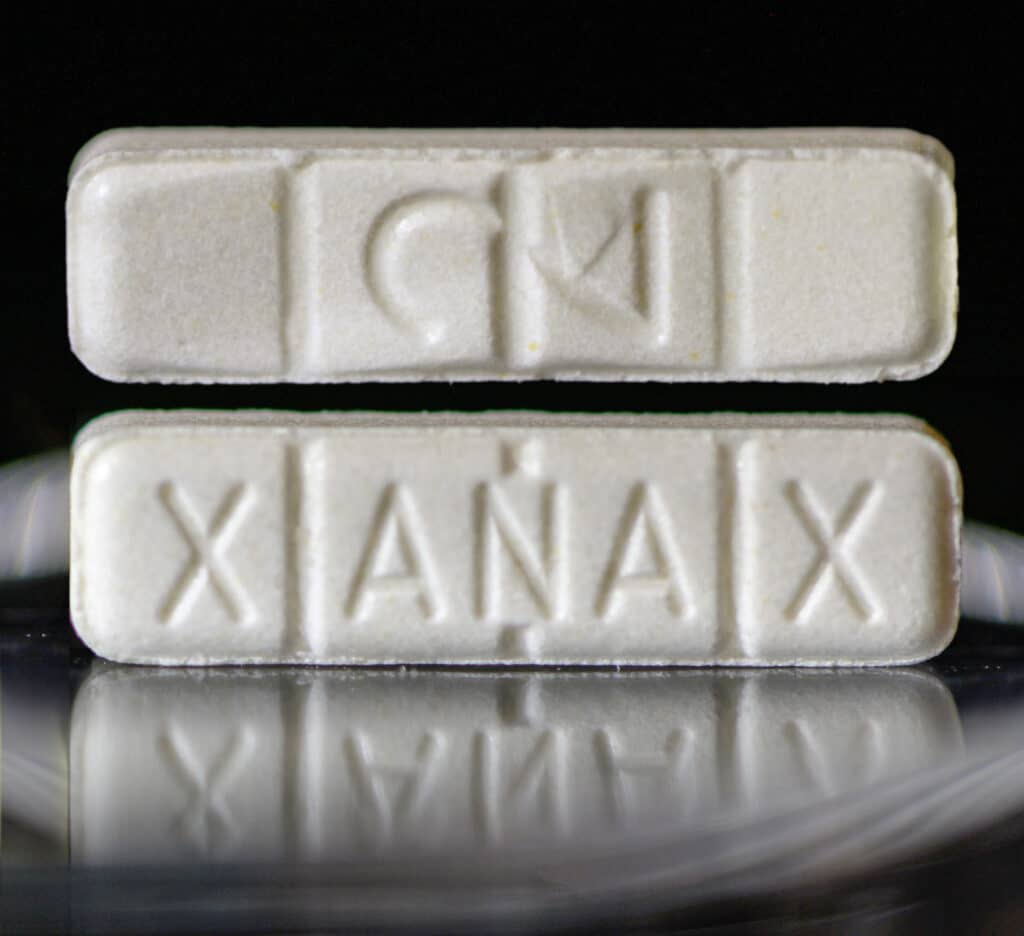








When you drink a kava-kratom beverage, kavalactones enhance your brain’s GABA activity while kratom’s alkaloids activate your opioid receptors. This dual action creates compounded sedation, affecting your mood, pain perception, and cognitive function. Low doses may produce a “wired and relaxed” state, but higher amounts intensify CNS depression. Your liver processes both substances through shared metabolic pathways, increasing toxicity risks. Understanding the specific mechanisms and long-term consequences can help you make informed decisions.
What Active Compounds Are in Kava-Kratom Drinks
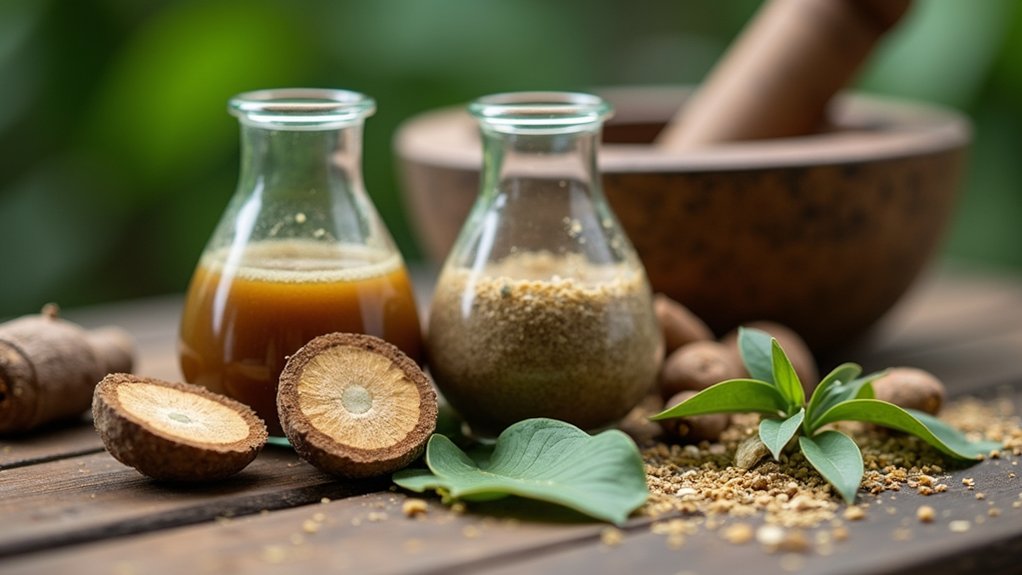
Kava-kratom drinks contain two distinct classes of bioactive compounds that work through different pharmacological mechanisms. From kava root, you’re consuming kavalactones, lipophilic lactones with high membrane permeability that readily cross into your central nervous system. Six major kavalactones account for approximately 96% of kava’s activity, with kavalactone synergies contributing to the plant’s relaxation effects. The concentration of these kavalactones is highest when plants are harvested around four years of age, which is why traditional cultivators time their harvest accordingly. Kava’s roots and rhizomes contain higher kavalactone content compared to the aerial parts of the plant, making these underground portions the preferred source for extraction.
Kratom contributes indole-based monoterpene alkaloids derived from unique alkaloid biosynthesis pathways in Mitragyna speciosa leaves. Mitragynine serves as the principal active compound, while 7-hydroxymitragynine appears in lower concentrations but demonstrates considerably higher potency.
Commercial formulations typically standardize both components, often around 250 mg kavalactones and 100-150 mg total kratom alkaloids per serving. Some enhanced formulations also incorporate complementary ingredients like ashwagandha, L-theanine, and GABA to further support the calming effects. You should note that flavokavain B in kava preparations has been implicated in hepatotoxicity concerns.
Immediate Effects on Your Brain and Nervous System
When you consume a kava-kratom drink, the active compounds rapidly cross your blood-brain barrier and bind to multiple neuroreceptor systems simultaneously. Kava’s kavalactones enhance GABA activity to produce sedation, while kratom’s mitragynine and 7-hydroxymitragynine activate opioid receptors that influence pain perception, mood, and respiratory function. Your experience depends heavily on dosage; low kratom doses (1-5 grams) create stimulant effects with increased alertness, while higher doses produce opioid-like sedation and euphoria. Combining these substances can lead to increased sedation, dizziness, and impaired cognitive function that significantly affects your ability to perform normal tasks. Both kava and kratom may interact with central nervous system depressants, increasing the risk of serious side effects when used together or with other sedating substances. The combination of kava and kratom raises significant health concerns due to the lack of safety standards and testing requirements for these supplement products.
GABA and Opioid Activation
How exactly do kava and kratom alter your brain chemistry within minutes of consumption? Kava’s kavalactones enhance GABA potentiation through indirect modulation of GABA-A receptors rather than direct binding. This mechanism increases available GABA binding sites while preserving cognitive function through simultaneous noradrenaline reuptake inhibition in your prefrontal cortex. Research has identified 18 distinct kavalactones, with six of these compounds accounting for 96% of kava’s pharmacological activity.
Kratom operates through distinct opioid receptor agonism, with its alkaloids binding directly to mu-opioid receptors. This activation produces analgesic and euphoric effects similar to traditional opioids. The primary active compounds responsible for these effects are mitragynine and 7-hydroxymitragynine, along with other alkaloids found in the leaves. Kratom’s effects can range from stimulation to sedation depending on the dose consumed.
When you combine these substances, you’re simultaneously engaging GABAergic, noradrenergic, and opioid pathways. The layered neurological effects create compounded sedation risks. Kava’s additional blockade of voltage-gated sodium and calcium channels further reduces neural excitability, potentially amplifying kratom’s respiratory depression effects. Understanding these concurrent mechanisms helps you recognize why this combination demands caution.
Dose-Dependent Mental Effects
Understanding these receptor-level interactions sets the stage for recognizing how dosage fundamentally shifts your subjective experience. At low kratom doses (under 5 grams) combined with kava, you’ll likely feel alert yet calm, a paradoxical “wired and relaxed” state. However, increasing kratom beyond 8 grams creates additive CNS depression, intensifying sedation and slowing your reaction time considerably.
Your cognitive function takes measurable hits from this combination. Kava impairs memory and psychomotor coordination, while kratom disrupts executive function and decision-making. Together, they compound deficits in attention and working memory, leading to impaired cognition that affects driving safety and complex task performance. This complexity arises partly because kratom contains at least 50 active compounds, making its interactions with kava difficult to predict.
Perhaps most unpredictably, you may experience erratic mood shifts, swinging from euphoria and sociability to dysphoria, irritability, or even transient psychotic-like symptoms at higher doses. Research suggests mitragynine’s inhibition of D2 dopamine receptors may influence these mood fluctuations by affecting the same pathways targeted by antipsychotic medications. Kava’s calming effects stem from its interaction with GABA receptors, which may partially counteract kratom’s stimulating properties at lower doses but amplify sedation when both substances depress the central nervous system.
How Your Body Processes These Substances

Your body breaks down kava and kratom through distinct metabolic pathways, each carrying specific risks you should understand before consumption.
Kava’s six major kavalactones absorb quickly through your gut, with kavain showing approximately 50% bioavailability. Your liver processes these compounds via cytochrome P450 enzymes, followed by Phase II reactions including glucuronidation and sulfonation. Your body eliminates over 90% within 72 hours. Noble kava strains are considered the safest option for consumption.
Kratom’s absorption rates follow linear pharmacokinetics with biphasic elimination. CYP3A4 serves as the primary enzyme metabolizing mitragynine, converting it into the more potent 7-OH-mitragynine. This activation mirrors codeine’s conversion process. Unlike traditional opioids, kratom alkaloids do not activate the β-arrestin pathway, which may explain their distinct physiological effects.
Critically, mitragynine inhibits key hepatic enzymes, including UGT2B7 and UGT1A1. This suppression drastically reduces clearance of other medications you’re taking, creating dangerous drug-drug interactions that can persist with chronic use.
Short-Term Side Effects You May Experience
When you consume kava-kratom drinks, you’ll likely encounter several short-term side effects that range from mild to uncomfortable. Nausea and digestive upset occur frequently, particularly if you’re new to these substances or consume them on an empty stomach. You may also experience dizziness, sedation, headaches, and fatigue as your body processes the active compounds in both kava and kratom.
Nausea and Digestive Upset
Although kava-kratom drinks offer relaxation effects, they frequently trigger nausea and digestive upset that can catch first-time users off guard. Kratom’s alkaloids interact with opioid receptors in your gut and stimulate your brain’s chemoreceptor trigger zone, inducing nausea and vomiting. Kava’s kavalactones compound these effects, amplifying gastrointestinal irritation.
Symptoms typically begin within 10 minutes to an hour after consumption. You may experience:
- Nausea and vomiting, especially at higher doses
- Abdominal pain and cramping lasting 4, 6 hours
- Diarrhea or constipation persisting up to 24 hours
- Dehydration risks and electrolyte imbalances from prolonged vomiting or diarrhea
Higher doses greatly increase symptom severity. If you have pre-existing conditions like IBS or gastritis, you’re more susceptible to pronounced digestive distress from these combined substances. Long-term kratom use may also cause frequent constipation, making digestive issues a persistent concern rather than just an acute reaction.
Dizziness and Sedation
Because kava’s GABA-modulating kavalactones and kratom’s opioid-receptor activity both suppress central nervous system function, combining them creates an additive depressant effect that dramatically intensifies sedation and dizziness. You’ll likely experience profound fatigue, especially when kratom doses exceed 8 grams layered onto kava’s baseline calming effect.
This dual sedation impairs your balance and spatial orientation, increasing fall risk. Poor coordination becomes pronounced as reflexes slow and orthostatic light-headedness develops. You may notice slowed thinking, reduced mental clarity, and difficulty concentrating, effects that make driving or operating machinery particularly hazardous.
At higher doses, you risk experiencing “nod-out” states, confusion, and perceptual disturbances. These symptoms become especially dangerous if you add alcohol or benzodiazepines, potentially progressing to respiratory depression requiring medical attention.
Headaches and Fatigue
Beyond the immediate sedation and dizziness, you may also develop headaches and fatigue as distinct short-term effects from kava-kratom drinks.
These symptoms arise through multiple mechanisms:
- Vascular changes, Kratom can elevate blood pressure and heart rate, triggering tension-type or migraine headaches.
- Dehydration, Both substances cause dry mouth and fluid loss, a well-established headache trigger.
- CNS depression, Cumulative drug effects from combined kava and kratom produce pronounced drowsiness and muscle weakness.
- Neurotransmitter disruption, Dose-dependent stimulation followed by sedation creates rebound fatigue.
You shouldn’t dismiss persistent headaches or profound fatigue as minor inconveniences. These symptoms may signal organ dysfunction risks, particularly early liver damage or cardiovascular strain. If fatigue accompanies confusion, tremors, or yellowing skin, seek medical evaluation immediately.
Long-Term Risks to Your Liver and Other Organs
How exactly do kava and kratom affect your liver when you consume them regularly? Both substances force your liver to metabolize hepatotoxic compounds simultaneously, creating significant long term organ toxicity. Your liver processes mitragynine and 7-hydroxymitragynine while kava depletes glutathione, your liver’s primary antioxidant defense.
| Risk Factor | Consequence |
|---|---|
| High doses | Increased metabolic stress |
| Pre-existing liver disease | Heightened susceptibility |
| Combined substance use | Multiplied hepatotoxic burden |
| Prolonged exposure | Chronic liver damage progression |
Repeated exposure can lead to fibrosis, cirrhosis, or liver failure. Documented cases show cholestatic injury patterns with bilirubin levels exceeding 20 mg/dL. Some kava-induced cases have required liver transplants. You’ll notice warning signs, fatigue, jaundice, dark urine, within weeks of regular use.
Dependence, Withdrawal, and Addiction Potential

Both kava and kratom carry significant dependence potential that you shouldn’t underestimate. Kratom binds to mu-opioid receptors, producing effects that can trigger opioid-type use disorder with daily, high-dose consumption. Kava acts as a CNS depressant, and chronic use leads to physical dependence with rebound anxiety upon cessation.
Kratom and kava both carry real dependence risks, don’t let their natural origins fool you into thinking they’re harmless.
Key dependency patterns to recognize:
- Kratom withdrawal causes muscle aches, sweating, diarrhea, and intense cravings within 12, 48 hours of last use
- Kava withdrawal produces anxiety, insomnia, and dysphoria within 24, 48 hours
- Tolerance develops to both substances, prompting dose escalation
- Cross dependence potential increases when you combine these with alcohol or benzodiazepines
Heavy users of either substance require gradual tapering to minimize withdrawal severity and functional impairment.
Safety Concerns and Drug Interactions to Know
When you combine kava and kratom in a single drink, you’re amplifying risks that neither substance carries alone. Both substances can cause liver toxicity, and together they may accelerate hepatic damage, especially with prolonged use or high doses. The FDA has issued warnings about serious adverse events linked to kratom, including seizures and deaths.
Contamination risks and product quality concerns compound these dangers. Commercial formulations may contain salmonella, heavy metals, or undisclosed substances, making toxicity unpredictable.
Drug interactions present critical hazards. If you’re taking opioids, benzodiazepines, alcohol, or other CNS depressants, you’re facing heightened respiratory depression and overdose risk. Kratom alkaloids and kava compounds can inhibit cytochrome P450 enzymes, potentially altering how your body processes other medications. Always disclose supplement use to your healthcare provider.
Frequently Asked Questions
Are Kava-Kratom Drinks Legal in My State?
Your state’s laws determine legality, kratom’s banned in Alabama, Arkansas, Indiana, Rhode Island, Vermont, Wisconsin, and Louisiana, making these drinks illegal there. Other states permit kratom under varying regulatory oversight, often with age limits and labeling requirements. Even in legal states, local bans may apply. You should verify your specific jurisdiction’s rules. Product quality concerns exist since FDA doesn’t approve kratom as a safe food additive, leaving consumers without standardized safety assurances.
Can I Drive Safely After Drinking a Kava-Kratom Beverage?
You shouldn’t drive after consuming a kava-kratom beverage due to altered mental awareness and potential impairment of coordination. Research shows kava’s sedative effects slow reaction times, while kratom’s impact varies by strain and dosage. Combined, these substances increase impairment risk beyond either alone. Wait at least 4-6 hours and conduct a thorough self-assessment before operating a vehicle. Consider designating a sober driver to avoid safety hazards and legal consequences.
How Do Kava-Kratom Drinks Compare to Alcohol for Relaxation?
Kava-kratom drinks can produce relaxation comparable to alcohol but with different effects on mental clarity, you’ll likely experience less disinhibition while still facing impaired cognition. However, kratom carries significant potential for addiction similar to opioids, whereas alcohol’s dependence risks are well-documented. Both substances affect your central nervous system differently: kava targets GABA receptors, kratom acts on opioid pathways, and alcohol influences multiple neurotransmitter systems. You’re trading one set of risks for another.
Should I Tell My Doctor if I Use Kava-Kratom Drinks?
Yes, you should always tell your doctor if you use kava-kratom drinks. These substances can cause potential interactions with medications, including sedatives, antidepressants, and blood thinners, by affecting how your liver processes drugs. Your doctor also needs this information to monitor long-term health effects, particularly liver toxicity and kidney function. Full disclosure guarantees accurate diagnosis, safer prescribing decisions, and appropriate monitoring, especially before surgery, anesthesia, or when unexplained symptoms arise.
How Accurate Are the Ingredient Labels on Kava-Kratom Products?
Ingredient labels on kava-kratom products are often unreliable. You’ll encounter significant ingredient potency variations because extract strength terms like “5x” lack standardized definitions across manufacturers. Adulteration concerns are well-documented; some products contain undisclosed kratom or higher alkaloid concentrations than naturally occurring. Court rulings have confirmed misleading labeling practices, and studies show vendor health information quality averages just 32.72 out of 75. Without universal third-party testing requirements, you can’t verify what you’re actually consuming.