








Yes, 7-OH products carry substantial dependence risks because 7-hydroxymitragynine binds to mu-opioid receptors with 22-fold greater potency than mitragynine and activates reward pathways that drive compulsive use. You can recognize these products by checking Certificates of Analysis for alkaloid concentrations exceeding 2%, spotting marketing claims emphasizing “enhanced potency,” and noting “not for human consumption” disclaimers. Understanding the science behind these risks and learning to verify product safety can help protect your health.
What Is 7-Oh and How Does It Differ From Traditional Kratom
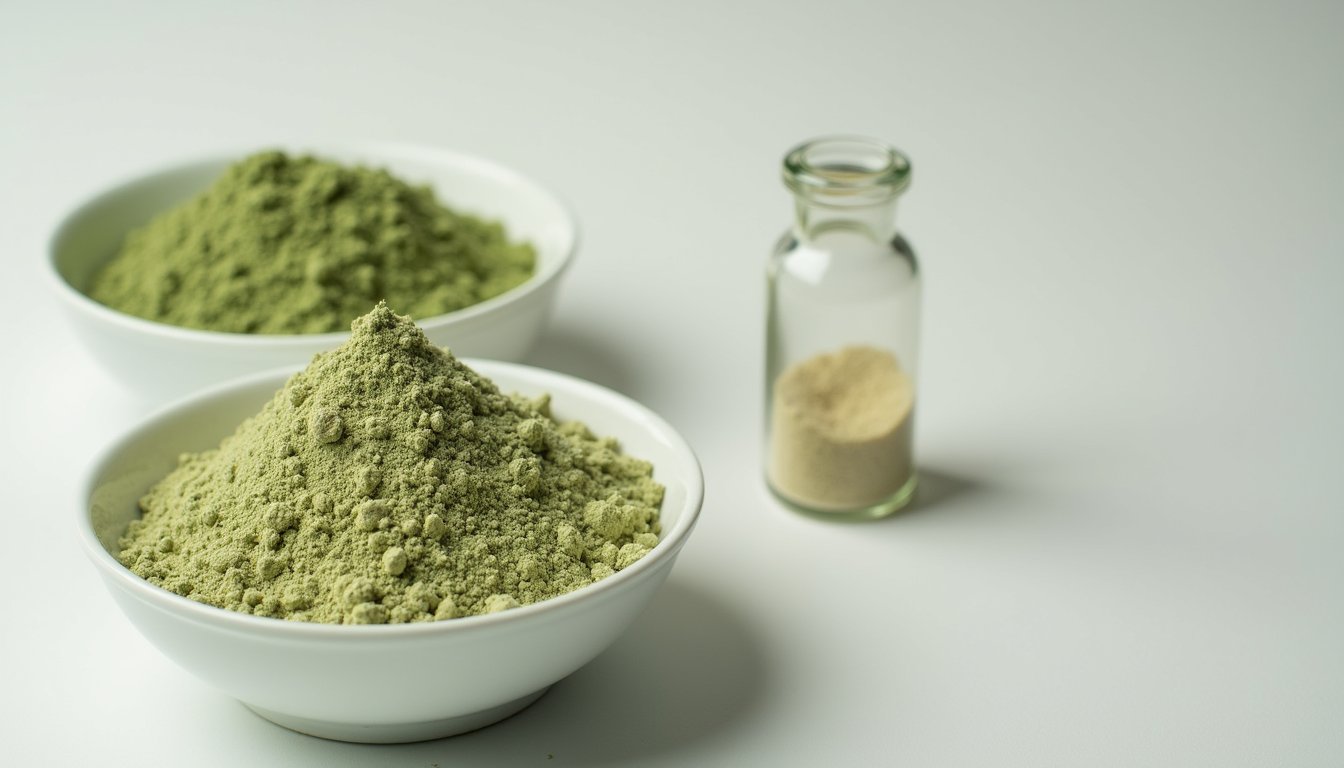
7-Hydroxymitragynine (7-OH) represents one of kratom’s most pharmacologically significant alkaloids, despite comprising less than 0.05% of dried leaf material. This compound functions as a potent partial agonist at µ-opioid receptors, demonstrating analgesic potency up to 13 times that of morphine. Research has shown that 7-hydroxymitragynine exhibits approximately fivefold greater affinity at the μ-opioid receptor compared to mitragynine.
Traditional kratom’s natural alkaloid profile includes mitragynine as the dominant compound at 66% of total alkaloids, with 7-OH remaining a trace constituent. You’ll find mitragynine-to-7-OH ratios exceeding 50:1 in standard leaf products. The powdered leaf form is self-limiting in dosage, making it difficult to consume dangerous amounts of the active compounds.
Concentrated alkaloid formulations differ substantially from traditional preparations. These products contain 7-OH levels far exceeding natural occurrence, typically created through chemical oxidation of mitragynine. While you might consume kratom as tea or powder, enhanced 7-OH products represent isolated, single-alkaloid preparations lacking kratom’s full-spectrum alkaloid composition. Research indicates that the conversion of mitragynine to 7-OH is mediated by cytochrome P450 3A isoforms in both mouse and human liver preparations.
The Science Behind 7-OH Dependence and Addiction Potential
When examining why 7-OH carries significant dependence potential, you must first understand its receptor-binding characteristics. This compound binds to mu-opioid receptors with a Ki value of 7.2 nM, demonstrating 22-fold greater potency than mitragynine. As a partial opioid agonist, it activates reward pathways that drive compulsive use patterns.
Your metabolic vulnerabilities play a critical role in addiction development. CYP3A4 enzyme activity determines how efficiently your body converts mitragynine to 7-OH, meaning individuals with heightened CYP3A4 function face raised dependence risks. Research confirms 7-OH supports self-administration in animal models, while mitragynine doesn’t.
Pharmacological synergies between kratom’s multiple alkaloids create complex interactions that alter hepatic conversion rates. These variations affect your individual addiction trajectory, making standardized risk assessment challenging across different user populations. The FDA has recognized these dangers and is actively pushing for its scheduling under the Controlled Substances Act to address the public health threat these products pose.
Potency Levels and Overdose Dangers Associated With 7-Oh Products

Because 7-OH binds to mu-opioid receptors with 7-13 times greater potency than morphine, concentrated products containing this compound pose severe overdose risks that differ substantially from raw kratom leaf.
Commercial 7-OH formulations range from natural concentrations below 2 percent to synthetic preparations reaching 98 percent purity. This variability creates significant microdosing risks, as you can’t accurately predict potency across unregulated products. The lack of regulation means safe dosage is nearly impossible to determine when purchasing these products.
Key overdose danger factors include:
- Respiratory depression potency: 7-OH suppresses breathing more than 3-fold stronger than morphine
- Synergistic respiratory effects: Combining 7-OH with other CNS depressants dramatically amplifies overdose probability
- Unpredictable pharmacokinetics: Peak plasma levels occur 1-1.8 hours post-administration, creating delayed toxicity windows
You should recognize that even small quantities of concentrated 7-OH formulations carry substantial overdose potential requiring immediate medical intervention. Research demonstrates that high doses of 7-hydroxymitragynine elevated reward thresholds, suggesting aversive effects that may indicate toxicity rather than pleasurable responses. These products are deceptively marketed in forms like pills, gummies, and candies, making them particularly dangerous when mistaken for ordinary treats.
Where 7-OH Products Are Sold and How They Are Marketed
How easily can consumers access concentrated 7-OH products? You’ll find these substances across multiple sales channels, from specialized kratom shops to gas stations and convenience stores. Online retailers dominate distribution, offering tablets, capsules, powders, and liquid shots directly to your door.
Vendors market these products using quality claims centered on third-party laboratory testing, Certificates of Analysis, and contaminant screening. You’ll encounter messaging emphasizing “pure” and “potent” formulations positioned as superior alternatives to traditional kratom powder. Reputable vendors also highlight ethical sourcing practices and sustainable farming methods from Southeast Asia to appeal to quality-conscious buyers. Some products are advertised as more potent than 2 Kratom shots, appealing to users seeking stronger effects.
Price points range dramatically, from $2.85 per tablet to over $14.99 depending on alkaloid concentration. Bulk packages reach $399.99, targeting frequent users. Products combining 7-hydroxymitragynine with pseudoindoxyl compounds offer enhanced formulations at premium prices like $15.80 for a 3-count package. This widespread availability and aggressive marketing normalize consumption while obscuring dependence risks. You should recognize that quality claims don’t guarantee safety, and easy access doesn’t indicate these products are appropriate for unsupervised use.
How to Identify 7-Oh Products and Protect Yourself From Harm
To protect yourself from harm despite regulatory oversight gaps, follow these lab verification protocols:
- Match batch numbers: Confirm the COA lot number exactly matches your product’s packaging
- Verify accreditation: Only trust reports from ISO/IEC 17025-accredited laboratories
- Check safety panels: Guarantee heavy metals, pesticides, and microbial tests show “ND” or “Pass”
Disclaimers stating “not for human consumption” signal unregulated content requiring additional scrutiny before use. A Certificate of Analysis is a formal document issued by an accredited laboratory that confirms a product’s specifications through detailed scientific breakdown, making it your most reliable tool for verifying product integrity. Be aware that pure kratom products should contain no more than 2% of 7-hydroxymitragynine in the alkaloid fraction, so verify this threshold when reviewing any COA. Research has found that some commercial kratom products show 7-hydroxymitragynine levels far exceeding naturally occurring concentrations, suggesting intentional adulteration by manufacturers.
Frequently Asked Questions
Can Naloxone Reverse a 7-Oh Overdose Like It Does for Other Opioids?
Yes, naloxone can reverse a 7-OH overdose. Because 7-OH acts as a potent mu-opioid receptor agonist, naloxone effectiveness applies here just as it does with other opioids. If you notice overdose symptoms like slowed or stopped breathing, pinpoint pupils, or unresponsiveness, you should administer naloxone immediately and call 911. Animal studies and public health guidance confirm naloxone reliably restores breathing in 7-OH toxicity cases.
Is 7-Oh Legal in All U.S. States or Are Some Banning It?
The legality status across states varies markedly for 7-OH products. You’ll find Florida has specifically banned 7-OH, while California’s Department of Public Health declared these products illegal to sell or manufacture. Seven states maintain broader kratom prohibitions. Regulation and oversight concerns continue growing as the FDA recommended Schedule I classification in July 2025, though the DEA hasn’t finalized this decision. You should verify your state’s current laws before purchasing.
How Long Does 7-Oh Stay Detectable in Drug Tests?
Your detection duration depends on the test type: urine screens can identify 7-OH metabolites for 5, 9 days, blood tests for 1, 3 days, and hair follicle tests up to 90 days. Half life considerations matter greatly; 7-OH’s 4, 11 hour half-life means your body needs multiple cycles to clear detectable levels. Factors like dose frequency, metabolism, and hydration affect your individual timeline. Standard employment panels typically don’t test for kratom alkaloids unless specifically ordered.
Are There Any Safe or Approved Medical Uses for 7-Oh?
No, 7-OH currently has no safe or approved medical uses. The FDA hasn’t approved it for any condition, and it can’t legally be marketed as a drug or supplement. While potential medical research continues on kratom compounds, regulatory approval considerations require extensive clinical trials that 7-OH hasn’t undergone. If you’re seeking treatment for pain or opioid withdrawal, you should consult your healthcare provider about proven, FDA-approved options instead.
What Treatment Options Exist for Someone Addicted to 7-Oh Products?
You have several effective treatment options for 7-OH addiction. Inpatient rehabilitation programs provide structured, immersive care with 24/7 medical supervision during detox and withdrawal. Medication assisted treatment using buprenorphine or buprenorphine-naloxone can reduce cravings and ease withdrawal symptoms. Behavioral therapies like CBT and DBT address psychological factors driving your dependence. Your treatment team will tailor these approaches to your specific needs, combining medical and therapeutic interventions for ideal recovery outcomes.