








Table of Contents
Introduction
The shadow of fentanyl addiction recovery stretches across Florida like an uninvited guest at a garden party, persistent, unwelcome, and devastatingly powerful. This synthetic opioid, up to 50 times stronger than heroin and 100 times more potent than morphine, has transformed the landscape of substance use disorders in ways few could have predicted. Nevertheless, recovery remains not just possible but increasingly accessible for those willing to take that crucial first step. At Flagler Health & Wellness, we’ve witnessed countless individuals reclaim their lives from fentanyl’s grip through evidence-based treatment and compassionate care.
Understanding Fentanyl Addiction Recovery
Fentanyl’s rise from a legitimate pain management tool to a street drug crisis represents one of modern medicine’s most troubling paradoxes. Originally developed for surgical procedures and cancer pain management, this pharmaceutical-grade opioid has infiltrated illicit drug markets with alarming efficiency. According to the National Institute on Drug Abuse, fentanyl works by binding to opioid receptors in areas of the brain that control pain and emotions, creating an intense, short-lived euphoria that demands repetition.
What makes fentanyl particularly insidious is its potency. Moreover, illicit manufacturers often press it into counterfeit pills or mix it with other substances, leaving users unaware they’re consuming this deadly compound. The CDC reports that synthetic opioids like fentanyl are now involved in the majority of overdose deaths in the United States. Consequently, treatment for fentanyl addiction requires specialized knowledge and medical supervision.
The path from prescription pain management to fentanyl dependence can be surprisingly swift. However, street fentanyl presents an even more immediate danger. Individuals seeking heroin or prescription opioids may unknowingly consume fentanyl, leading to rapid physical dependence and increased overdose risk.

Signs of Fentanyl Addiction
Recognizing fentanyl addiction early can mean the difference between intervention and tragedy. Physical symptoms often appear first, constricted pupils, drowsiness, and slowed breathing create a distinctive profile. Additionally, behavioral changes manifest as neglected responsibilities, social withdrawal, and an overwhelming preoccupation with obtaining the drug.
Common Physical Indicators:
- Persistent drowsiness or sedation
- Nausea and vomiting
- Confusion and disorientation
- Slow or shallow breathing
- Unexplained weight loss
- Track marks or nasal damage
Behavioral Warning Signs:
- Financial difficulties despite stable income
- Secretive behavior around drug use
- Loss of interest in previously enjoyed activities
- Relationship strain with family and friends
- Neglecting work or academic responsibilities
- Doctor shopping for prescriptions
Furthermore, symptoms of fentanyl abuse extend beyond the individual user. Families often notice emotional volatility, ranging from euphoria to severe depression. The Department of Labor identifies several risk factors that increase vulnerability to opioid addiction, including previous substance use disorders, mental health conditions, and prolonged opioid exposure.
What does a fentanyl addict look like? There’s no single answer. Addiction doesn’t discriminate, it affects professionals, students, parents, and retirees alike. However, the physical toll becomes increasingly visible as dependence deepens.
Why Fentanyl Addiction Recovery Require Specialized Treatment
Standard detox protocols simply don’t cut it when addressing fentanyl dependence. The drug’s extreme potency and short half-life create withdrawal symptoms that are both intense and rapid in onset. Consequently, medical supervision becomes not just beneficial but essential for safe recovery.
Fentanyl withdrawal typically begins within 12 hours of the last use. Symptoms intensify quickly, muscle aches, severe anxiety, insomnia, and intense cravings can overwhelm even the most determined individuals. Furthermore, the psychological grip of fentanyl addiction compounds physical withdrawal, making comprehensive treatment absolutely critical.
Our approach at Flagler Health & Wellness addresses both dimensions simultaneously. Medical detox provides the safety net needed during the acute withdrawal phase, while psychological support helps you understand and address the underlying factors driving your addiction. Treatment options for fentanyl must be multifaceted because addiction itself is multifaceted.
The DEA’s research confirms what we see daily in our facility: fentanyl’s addictive potential is extraordinary. Is fentanyl addictive? Absolutely, and how addicting is fentanyl becomes clear when you consider that even brief exposure can establish physical dependence. Therefore, attempting recovery without professional support significantly decreases success rates.

How We Handle Fentanyl Addiction Recovery
Recovery from fentanyl begins the moment you reach out. Our admissions team understands that taking this step requires courage, and we’ve streamlined the process to eliminate unnecessary barriers. Within hours, not days, you can begin your journey at our state-of-the-art facility.
- Medical Detox: Our physician-supervised detox program utilizes medication-assisted treatment to ease withdrawal symptoms safely. Medications like buprenorphine and methadone help stabilize your system while minimizing discomfort. Meanwhile, our medical staff monitors your vital signs around the clock, adjusting treatment protocols as needed.
- Residential Treatment: Following detox, our residential program provides the immersive environment necessary for deep healing. Here, you’ll participate in individual therapy, group counseling, and holistic wellness activities designed to address every aspect of your recovery. Additionally, our evidence-based therapies include Cognitive Behavioral Therapy (CBT), Dialectical Behavior Therapy (DBT), and trauma-informed care.
- Dual Diagnosis Care: Many individuals struggling with fentanyl addiction also face co-occurring mental health conditions. Our integrated approach treats both simultaneously because we recognize they’re often intertwined. Depression, anxiety, and PTSD don’t pause during addiction treatment, they require their own specialized interventions.
- Continuing Care: Fentanyl recovery doesn’t end when you leave our facility. Our alumni program and outpatient services provide ongoing support as you rebuild your life. Furthermore, we connect you with community resources, sober living options, and support groups that reinforce your commitment to sobriety.
The recovery rate for fentanyl addiction improves dramatically with comprehensive, evidence-based treatment. While the journey requires dedication, thousands have successfully rebuilt their lives after fentanyl dependence, and you can too.
| Treatment Component | Duration | Primary Benefits |
| Medical Detox | 5-7 days | Safe withdrawal management, symptom relief |
| Residential Treatment | 30-90 days | Intensive therapy, skill development, environmental stability |
| Outpatient Programs | 3-12 months | Continued support, real-world application, flexibility |
| Alumni Support | Ongoing | Community connection, relapse prevention, mentorship |
Why Choose Flagler Health & Wellness for Fentanyl Addiction Treatment in Florida?
Florida’s treatment landscape includes hundreds of facilities, yet Flagler Health & Wellness stands apart through our unwavering commitment to individualized care. We don’t believe in cookie-cutter treatment plans because we don’t encounter cookie-cutter patients. Your story, your struggles, and your strengths are uniquely yours, and your recovery plan should reflect that.
Our facility combines clinical excellence with genuine compassion. Every team member, from intake coordinators to therapists to medical staff, understands addiction’s complexities from both scientific and human perspectives. Moreover, our accreditations and certifications demonstrate our commitment to maintaining the highest treatment standards.
What Sets Us Apart:
- Evidence-based treatment protocols aligned with current research
- Luxurious, home-like accommodations that promote healing
- Low client-to-staff ratios ensuring personalized attention
- Comprehensive dual diagnosis capabilities
- Family therapy and education programs
- Aftercare planning that extends beyond discharge
- Insurance verification and financial counseling assistance
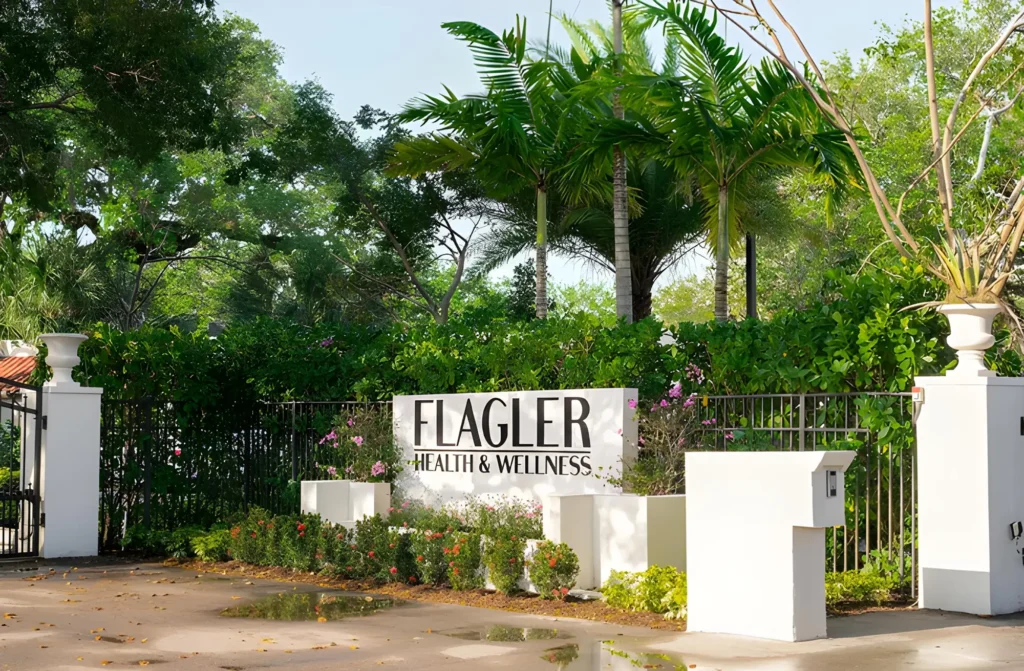
Located in Florida, our fentanyl treatment center benefits from the state’s warm climate and natural beauty, elements that contribute significantly to healing. Additionally, our proximity to beaches and nature preserves allows for therapeutic outdoor activities that complement traditional treatment modalities.
Fentanyl rehab centers vary widely in quality and approach. We encourage you to research thoroughly, ask questions, and visit facilities before committing. However, we’re confident that once you experience our treatment philosophy firsthand, you’ll understand why families across Florida trust us with their loved ones’ recovery.
The CDC’s treatment guidelines emphasize the importance of medication-assisted treatment combined with behavioral therapies, exactly the approach we employ. This integrated methodology addresses fentanyl addiction’s biological, psychological, and social dimensions simultaneously.

Frequently Asked Questions About Fentanyl Addiction Treatment
How long does it take to recover from fentanyl addiction?
Fentanyl recovery is a personal journey with no universal timeline. Acute withdrawal typically subsides within 7-10 days under medical supervision. However, psychological recovery and establishing new behavioral patterns requires months of dedicated work. Most individuals benefit from 30-90 days of residential treatment followed by outpatient care. Nevertheless, lasting recovery is a lifelong commitment to continued growth and vigilance against relapse.
Can you recover from fentanyl addiction completely?
Absolutely. While fentanyl addiction presents significant challenges, full recovery is entirely possible with proper treatment and support. Thousands of people live fulfilling, substance-free lives after overcoming fentanyl dependence. Recovery doesn’t mean forgetting your past, it means learning from it and building a healthier future. The key is accessing comprehensive treatment that addresses both physical dependence and underlying psychological factors.
What medications are used in fentanyl treatment?
Medication-assisted treatment for fentanyl typically includes buprenorphine (Suboxone), methadone, or naltrexone. These medications work differently but share a common goal: reducing cravings and withdrawal symptoms while allowing you to focus on recovery. Buprenorphine and methadone are partial or full opioid agonists that satisfy the brain’s opioid receptors without producing euphoria. Naltrexone blocks opioid receptors entirely, preventing relapse effects. Your medical team will determine which medication best suits your individual needs.
Is inpatient or outpatient treatment better for fentanyl addiction?
Given fentanyl’s extreme potency and severe withdrawal symptoms, inpatient treatment is strongly recommended initially. Residential care provides 24/7 medical supervision during the critical detox phase and creates a supportive environment free from triggers and access to substances. Following residential treatment, transitioning to outpatient care allows you to apply recovery skills in real-world settings while maintaining professional support. The combination of both typically produces the best long-term outcomes.
How much does fentanyl addiction treatment cost in Florida?
Treatment costs vary based on program length, services provided, and facility amenities. At Flagler Health & Wellness, we accept most major insurance plans, which often cover a significant portion of treatment expenses. Additionally, we offer financial counseling to help you understand your coverage and explore payment options. Remember: the cost of treatment is an investment in your future, while the cost of continued addiction, financially, physically, and emotionally, is immeasurable. Don’t let financial concerns prevent you from seeking help.
Take the First Step Toward Recovery Today
Your journey toward freedom from fentanyl addiction can begin right now. Not tomorrow, not next week, today. Every moment spent in active addiction carries risk, but every moment also presents an opportunity for change. At Flagler Health & Wellness, we’ve dedicated ourselves to transforming that opportunity into lasting recovery.
We understand that reaching out feels daunting. Perhaps you’ve tried quitting before and fear another failure. Maybe you’re worried about judgment or skeptical that treatment can help. Those concerns are valid, yet they shouldn’t stand between you and the life you deserve. Our admissions team has heard it all, and they respond with only compassion, understanding, and a genuine desire to help you succeed.
Treatment for fentanyl addiction works when you’re ready to commit to the process. We provide the tools, expertise, and support system, you provide the willingness. Together, we’ll navigate this challenging but rewarding path toward healing.
Contact Flagler Health & Wellness today to verify your insurance, schedule a confidential assessment, or simply ask questions about our fentanyl rehab program. Recovery from fentanyl is possible, and it starts with one phone call. Your new chapter awaits.

References
[1] National Institute on Drug Abuse. (n.d.). Fentanyl DrugFacts. https://nida.nih.gov/research-topics/fentanyl
[2] Centers for Disease Control and Prevention. (n.d.). Treatment for Opioid Use Disorder. https://www.cdc.gov/overdose-prevention/treatment/opioid-use-disorder.html
[3] U.S. Drug Enforcement Administration. (n.d.). Facts about Fentanyl. https://www.dea.gov/resources/facts-about-fentanyl
[4] Centers for Disease Control and Prevention. (n.d.). Understanding the Opioid Overdose Epidemic. https://www.cdc.gov/overdose-prevention/about/understanding-the-opioid-overdose-epidemic.html
[5] U.S. Department of Labor. (n.d.). Opioid Misuse: Risk Factors. https://www.dol.gov/agencies/owcp/opioids/riskfactors