




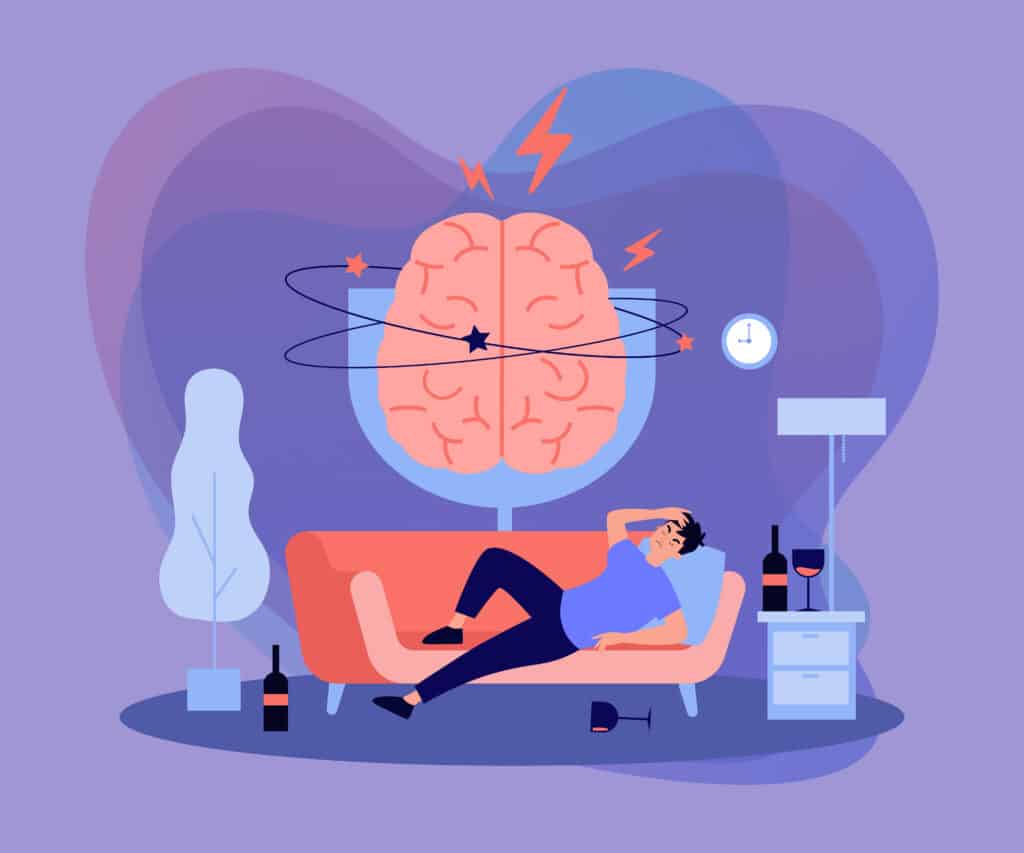





You’ll recognize oxycodone dependence through several key indicators: behavioral changes like increased secrecy, drug-seeking behaviors, and failed attempts to quit; physical symptoms including respiratory problems, excessive drowsiness, and withdrawal signs like sweating and muscle aches; and cognitive impairments affecting memory, judgment, and concentration. Watch for social isolation, relationship breakdowns, and tolerance requiring higher doses. These symptoms often emerge gradually, and understanding their progression, associated health risks, and intervention options can help you navigate this challenging situation more effectively.
Behavioral Warning Signs of Oxycodone Dependence

Recognizing behavioral warning signs early can vastly improve treatment outcomes for individuals struggling with oxycodone dependence. You’ll notice increased secrecy, deception, and withdrawal from previously enjoyed activities. Drug-seeking behaviors escalate, fraudulent prescriptions, theft of medications, and persistent use despite negative consequences become common patterns. Social isolation intensifies as obligations at work or school are neglected, performance declines, and relationship breakdowns occur with family and friends. You may observe risky use patterns, including operating vehicles while impaired or combining substances. Repeated unsuccessful attempts to reduce usage signal loss of control. Financial strain emerges through depleted savings, accumulating debts, or selling possessions. Mood swings, irritability, and defensiveness when confronted about behaviors are typical. If attempts to access treatment resources or support services result in technical barriers or errors, individuals should try again later or seek alternative pathways to care.
Physical Indicators That Signal Oxycodone Abuse
Physical indicators of oxycodone abuse manifest across multiple body systems, creating observable changes that warrant immediate attention. You’ll notice these signs intensify as dependence progresses, affecting neurological, cardiovascular, and metabolic function.
Oxycodone abuse creates visible physical changes across body systems that intensify with continued dependence, demanding urgent recognition and intervention.
Critical physical markers include:
- Respiratory compromise, Shallow, slow breathing indicates respiratory depression, while bluish skin tint around lips signals dangerous hypoxia requiring emergency intervention.
- Neurological changes, Impaired coordination, excessive drowsiness, and dilated or pinpoint pupils reflect central nervous system disruption. Loss of consciousness marks severe overdose.
- Gastrointestinal disturbances, Persistent nausea, vomiting, and appetite loss accompany active use, while severe cramping and diarrhea characterize withdrawal periods. Chronic opioid use typically causes persistent constipation due to the drug’s effect on intestinal function.
During withdrawal, you’ll observe profuse sweating, muscle aches, insomnia, and heightened blood pressure, signs reflecting your body’s struggle to regain homeostasis without the substance. As drug tolerance develops, individuals require increasingly higher doses to achieve the same pain-relieving or euphoric effects, escalating the risk of physical complications.
Cognitive Changes Associated With Oxycodone Use

Oxycodone use can drastically alter your cognitive functioning, affecting how you process information and navigate daily tasks. You may experience impairments in memory formation and retrieval, compromised judgment and decision-making abilities, and difficulties maintaining concentration on routine activities. Research using controlled crossover designs has demonstrated measurable cognitive changes at specific time intervals following opioid administration. These cognitive changes often emerge within hours of use and can persist with continued exposure, potentially interfering with your work, relationships, and overall quality of life. The drug can affect reward-based decision making by altering how you evaluate options and make choices in everyday situations. Long-term opioid use has been associated with a 15% higher risk of developing dementia compared to non-users, representing a significant concern for cognitive health.
Memory and Judgment Impairment
The cognitive effects of oxycodone extend beyond temporary mental fog, fundamentally altering how you process information, recall events, and make decisions. Short-term memory deficits emerge within 60, 90 minutes post-dose, impairing your ability to retain new information or remember recent appointments. Long-term use accelerates cognitive decline, particularly verbal memory, and increases dementia risk in older adults.
Judgment impairment manifests through:
- Increased risk-taking behaviors despite awareness of consequences, often resulting in accidents or legal complications
- Difficulty evaluating risks and benefits, leading to repeated misuse even when you recognize harm
- Denial and rationalization patterns that prevent insight into your functional deterioration
These deficits persist beyond acute intoxication. Emotional dysregulation compounds decision-making problems, while distractibility reduction becomes increasingly difficult with sustained use, compromising safety and daily functioning. Prolonged opioid use can cause brain changes altering structure that contribute to lasting cognitive impairment even after discontinuation. The impaired judgment often leads to obsessive thinking centered around obtaining and using oxycodone, further compromising your ability to focus on other responsibilities.
Concentration and Focus Difficulties
When oxycodone enters your system, it doesn’t just dull pain; it fundamentally disrupts your brain’s ability to sustain attention and process information efficiently. You’ll likely notice difficulty concentrating within an hour of taking the medication, with effects persisting for several hours. Your cognitive processing speed slows, making multi-step tasks feel exhausting. You may feel “spaced out” or require greater effort to complete routine activities. Chronic use establishes persistent attention deficits, particularly affecting older adults. Enhancing mental resilience becomes challenging as cognitive fatigue management deteriorates with ongoing exposure. High-dose opioid use can impair your ability to understand different perspectives, further limiting complex problem-solving and interpersonal communication.
| Cognitive Domain | Acute Effects (1-5 hours) | Chronic Use Impact |
|---|---|---|
| Attention Span | Significant declines in sustained focus | Persistent attention deficits |
| Processing Speed | Slower response times, delayed reactions | Ongoing information processing delays |
| Mental Endurance | Rapid onset of cognitive fatigue | Reduced baseline mental stamina |
| Task Performance | Increased effort, accuracy declines | Compromised work/academic productivity |
Disorientation and Spatial Confusion
Beyond difficulties with concentration, you may experience episodes of disorientation and spatial confusion that substantially compromise your ability to navigate daily environments safely. These symptoms emerge from opioid-induced neurotoxicity and metabolite accumulation affecting your central nervous system.
Common manifestations include:
- Impaired environmental recognition, You’ll struggle to identify familiar locations, follow directions, or maintain spatial awareness during routine activities.
- Acute confusional states, High doses or drug interactions can trigger delirium, ranging from mild confusion to severe hallucinations requiring immediate medical attention.
- Functional decline, Coordination problems and poor judgment increase risks for medication errors, accidents, and falls.
These cognitive impairments often correlate with increased healthcare utilization, particularly among older adults or those with preexisting kidney or neurological conditions. Regular cognitive monitoring helps detect early warning signs. Sudden confusion accompanied by drowsiness or dizziness requires calling 999 immediately, as it may signal a serious allergic reaction or other life-threatening emergency.
Psychosocial Effects of Oxycodone Dependence

As oxycodone dependence takes hold, it progressively dismantles the social, emotional, and occupational foundations that sustain quality of life. You’ll likely experience relationship disconnection as drug-seeking behaviors eclipse personal commitments, leading to withdrawal from family and friends. Trust erodes through deception and neglect, intensifying loneliness and conflict.
Emotional instability manifests through heightened anxiety, depression, and anhedonia; your capacity for pleasure diminishes dramatically. Cognitive impairments affect concentration and motivation, compromising work performance and academic progress. Absenteeism increases, risking termination and financial instability.
Your brain’s reward system undergoes profound dysfunction, prioritizing oxycodone above natural rewards. Compulsive use persists despite devastating consequences, with cravings potentially enduring years after cessation. Increased fatigue and sedation become prominent features of oxycodone dependence, compounding difficulties with daily functioning and alertness. The progression toward addiction involves a behavioral pattern characterized by preoccupation and compulsive use, often accompanied by cycles of relapse despite intentions to quit. Understanding the biological basis of addiction can help you recognize that these changes reflect altered brain function rather than personal failure. Hobbies lose meaning, self-care deteriorates, and illegal activities may emerge to sustain dependence, compounding psychosocial harm.
Recognizing Oxycodone Withdrawal Manifestations
Oxycodone withdrawal produces a constellation of physical and psychological symptoms that emerge predictably after dosage reduction or cessation. You’ll likely experience early manifestations within 6, 12 hours, including muscle aches, restlessness, and excessive sweating. These symptoms intensify as your body adjusts to the absence of the medication.
The withdrawal timeline typically unfolds in three distinct phases:
- Early onset (6, 12 hours): You’ll notice excessive sweating, runny nose, insomnia, and heightened heart rate as initial signs.
- Peak severity (days 1, 3): Expect flu-like symptoms, including nausea, vomiting, diarrhea, chills, and intense cravings that greatly increase relapse risk.
- Gradual resolution (days 4, 7): Physical symptoms subside while psychological effects, anxiety, depression, and concentration difficulties, may persist for weeks, potentially developing into post-acute withdrawal syndrome.
Co-Occurring Health Conditions and Overdose Risks
Individuals grappling with oxycodone dependence face substantially heightened risks when co-occurring health conditions are present. You’re more vulnerable to developing anxiety disorders, major depressive disorder, PTSD, or bipolar disorder, with up to 21.5 million US adults experiencing dual diagnoses. Chronic pain often precipitates long-term opioid use, creating a cycle that’s difficult to break.
Organ system impairment becomes increasingly concerning as dependence progresses. You may experience cardiac, hepatic, pulmonary, and renal dysfunction, particularly when combining oxycodone with acetaminophen or other substances. Immune system dysfunction can develop alongside these complications, reducing your body’s ability to fight infections and heal.
Overdose risk escalates dramatically when you’re using benzodiazepines, alcohol, or CYP3A4 inhibitors concurrently. Respiratory depression remains the most life-threatening consequence, demanding immediate medical intervention to prevent fatal outcomes.
Frequently Asked Questions
How Long Does It Take to Develop Oxycodone Dependence?
You can develop oxycodone dependence in as little as five days of regular use, representing a rapid onset that catches many people off guard. Your risk increases markedly with dose escalation or use beyond two weeks. If you’re taking higher doses more frequently, dependence develops even faster. You’re particularly vulnerable if you’re younger, have mental health conditions, or a family history of substance use. Understanding these timelines helps you recognize warning signs early and seek support.
Can Someone Become Dependent on Prescribed Oxycodone Doses?
Yes, you can become physically dependent even when taking oxycodone exactly as prescribed. Your body naturally adapts to regular opioid exposure, especially with higher doses or prolonged use. Long-term effects include tolerance and withdrawal symptoms if you stop suddenly. This doesn’t mean you’re addicted; it’s a physiological response. Your doctor may recommend dosage adjustments or gradual tapering to minimize withdrawal. If you’re experiencing cravings or concerning symptoms, discuss them openly with your healthcare provider.
What’s the Difference Between Oxycodone Dependence and Addiction?
Dependence means your body has adapted to oxycodone, developing physical tolerance levels and experiencing withdrawal when you stop. It’s expected with prolonged use. Addiction, however, involves psychological cravings and compulsive drug-seeking despite harmful consequences. You can be dependent without being addicted, dependence is physiological, while addiction includes behavioral changes like loss of control and continued use beyond medical need. If you’re taking oxycodone as prescribed, you’re likely dependent but not necessarily addicted.
Are Certain People More Vulnerable to Developing Oxycodone Dependence?
Yes, you’re more vulnerable if you have a genetic predisposition to addiction or certain environmental factors. Your risk increases with a family history of substance use, mental health conditions like depression or anxiety, and past trauma. Environmental factors, including younger age, socioeconomic challenges, concurrent medication use, and access to multiple prescriptions, also elevate your susceptibility. If you have chronic pain or prior substance misuse, you’ll need closer monitoring and extensive support to prevent dependence.
How Is Oxycodone Dependence Diagnosed by Medical Professionals?
Your doctor diagnoses oxycodone dependence through thorough evaluation combining clinical interviews, physical examination, and diagnostic tests. They’ll assess whether you’ve met at least two DSM-5 criteria within twelve months, including tolerance, withdrawal, or impaired functioning. The physical examination reveals signs like constricted pupils or sedation, while diagnostic tests may include urine screening. Your provider will compassionately evaluate how oxycodone affects your daily responsibilities, relationships, and well-being to determine severity and appropriate treatment.